Council football pitches: how hiring works
 By the Find My Football Pitch team·
Updated ·
5 min read
Most grass football pitches in the UK, Ireland, Australia and New Zealand belong to the local council. They are usually the cheapest place to play an 11-a-side match, but hiring one works differently from booking a 5-a-side cage.
The short answer
Council football pitches are pitches in public parks and sports grounds owned by a local council. Grass pitches are usually let per match or for a whole season, mostly to teams playing league football on weekends, and you book through the council's parks or sports bookings team. Many council 3G pitches and leisure centres are run for the council by a leisure trust or operator, such as Better, Everyone Active, Freedom Leisure or Edinburgh Leisure, and you book those online by the hour. In England in 2026, a council grass pitch for an adult match typically costs about £45 to £90, with changing rooms often extra.
Who runs council pitches
There are three common set-ups, and the one in your area decides how you book.
- The council itself. A parks or sports bookings team lets grass pitches in parks and recreation grounds. You usually email or phone, fill in a form and pay an invoice. Gloucester City Council's Plock Court and Wolverhampton's park pitches work like this.
- A leisure trust or operator. Many councils hand their leisure centres and artificial pitches to a charitable trust or company. Better runs council pitches in Hackney, Islington, Cambridge and Bath; Edinburgh Leisure runs the city's sports grounds. You book through the operator's app or site.
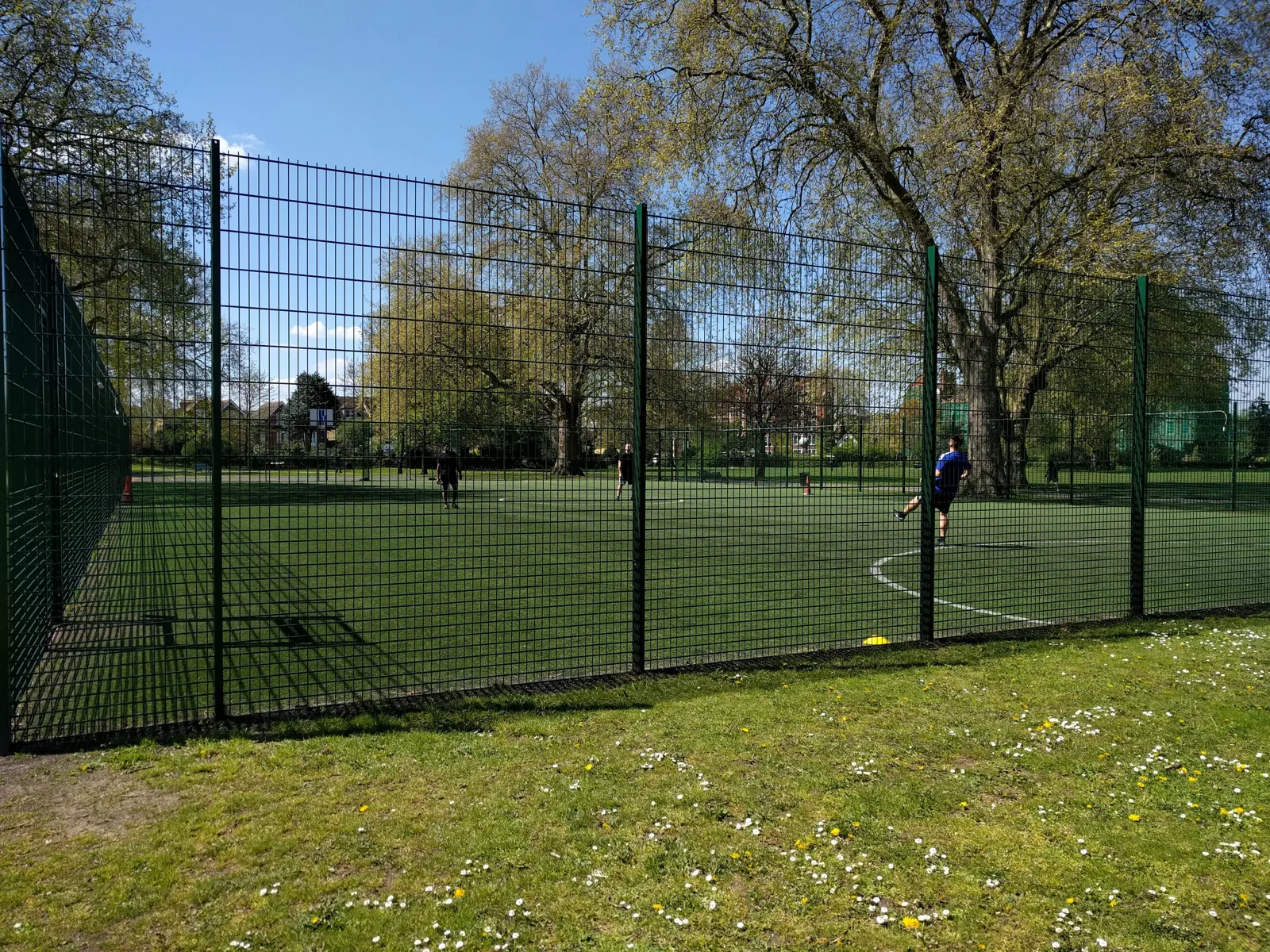
- A town or parish council. Smaller councils run their own recreation grounds. Banbury Town Council lets five grass grounds, and Stoke Gifford Parish Council runs a caged 3G court at Little Stoke Park in Bristol.
In Ireland, councils such as South Dublin County Council run all-weather parks and book them online. In Australia and New Zealand, councils own most sportsgrounds and ovals, and allocate them to clubs by season, with casual hire when a field is free.
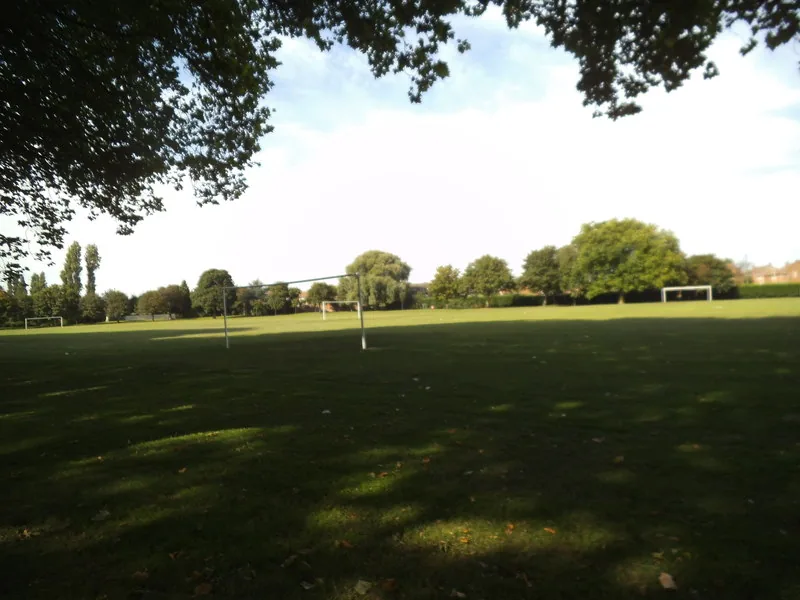
Hiring a council grass pitch
Grass pitches are built for weekend league football. Expect these rules:
- Seasons. Winter football lets usually run from about September to April or May. Gloucester's winter season runs from 1 September to the last Sunday in April, with summer bookings from May to August.
- Per match, not per hour. Prices are often per game. A season let covers a set number of home matches, for example up to 21 at Banbury.
- Registration first. Wolverhampton asks teams to register with the council before booking. Many councils give league teams priority and want proof of affiliation to the county FA, plus public liability insurance.
- Weekends only, mostly. Grass pitches are rarely floodlit, so midweek evening games are possible only in late spring and summer.
- Call-offs. The council or groundsman can close a pitch after heavy rain or frost. See our guides to a waterlogged pitch and a frozen pitch.
For a casual kickabout on a council grass pitch you usually do not need to book at all, as long as nobody has a booking. Our guide to free football pitches covers what is allowed.
Council 3G and leisure centre pitches
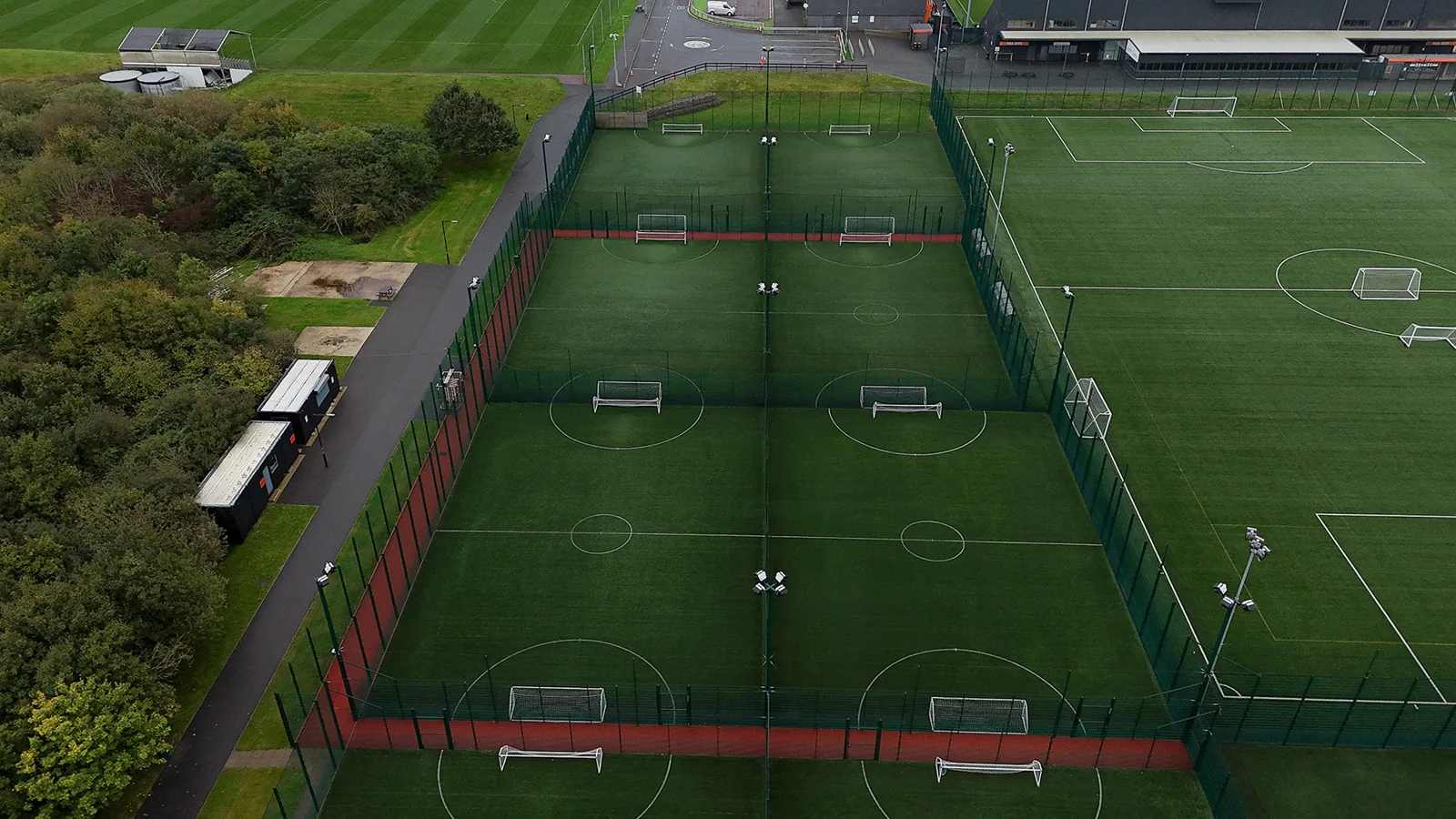
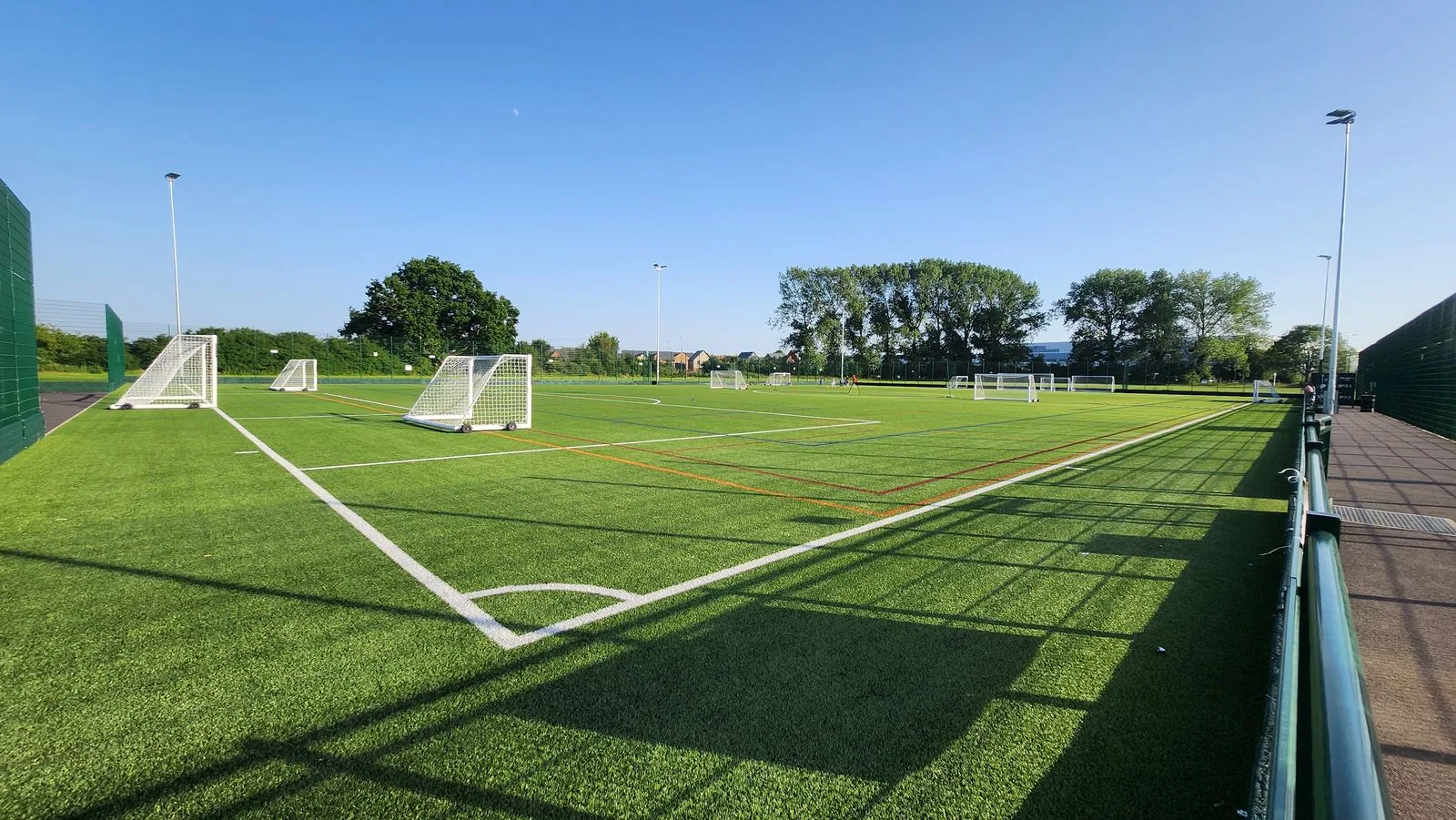
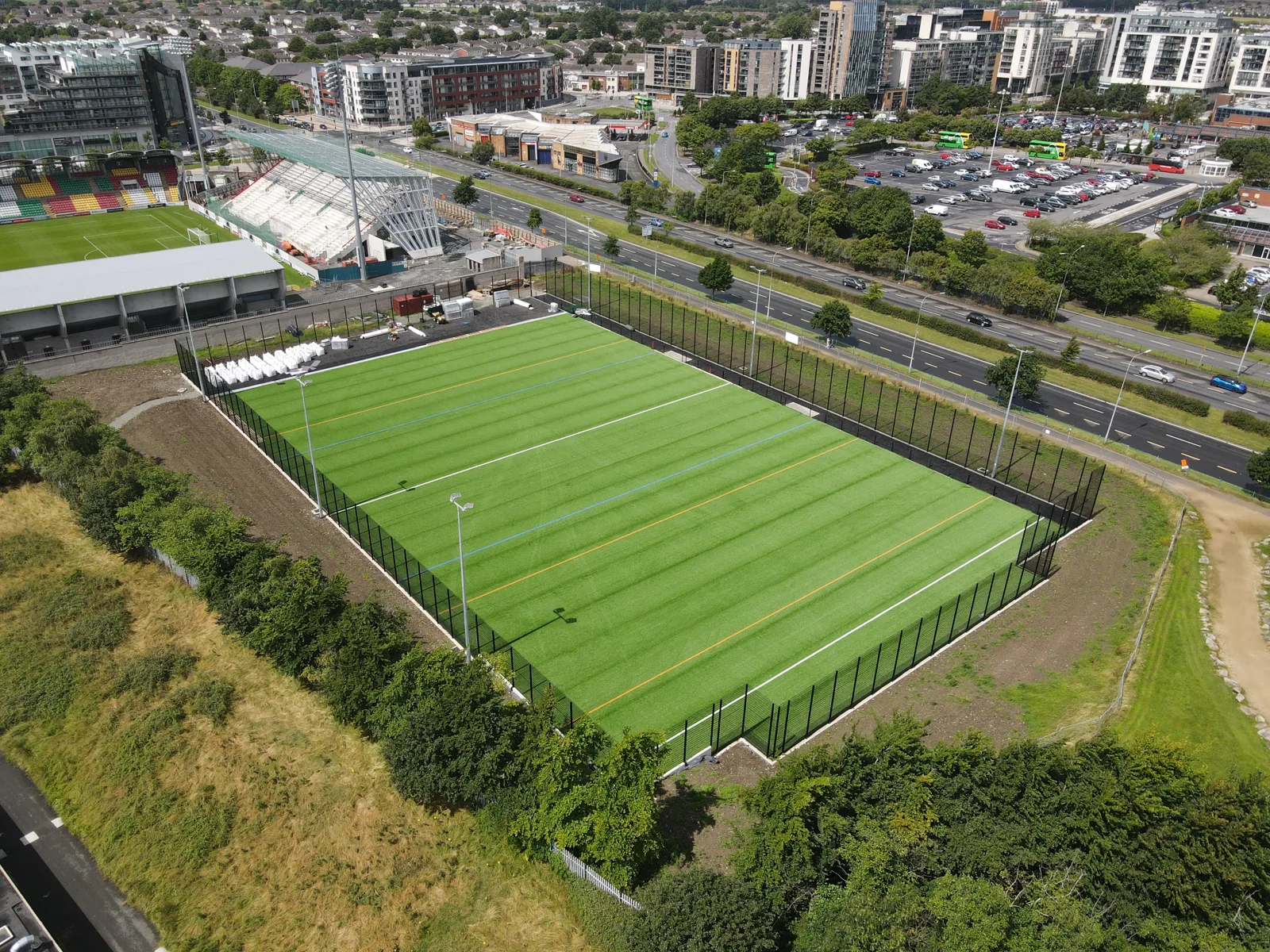
Artificial pitches cost councils far more to build and maintain, so they are run commercially and booked by the hour like any 5-a-side centre. A full-size council 3G is normally split into halves, thirds or quarters for smaller games. Gresham Sports Park in West Bridgford, for example, hires its 3G by the quarter, third, half or full pitch.
Clubs often get priority on weekend mornings and weekday evenings, and some councils offer lower "partner" or "affiliated club" rates. Casual groups book whatever is left, usually up to 7 or 14 days ahead.
What council pitches cost
Published council and council-operator prices from venues in our directory, checked in 2026:
| Council and pitch | Adult price |
|---|---|
| Wolverhampton park grass pitches | £45 per game pitch only, £77 with changing rooms and showers |
| Gloucester, Plock Court grass | £70 per booking, £450 for a season |
| Banbury Town Council grass | £52 per match, £88 with changing rooms; season £560 or £800 |
| Nottingham, Gresham Sports Park 3G | £33.75 an hour for a quarter, £108 for the full pitch |
| Edinburgh Leisure 3G | £50.30 an hour for a third, ex VAT |
| South Dublin, Sean Walsh Park 3G | €60 to €80 an hour, plus a one-off €50 registration fee |
| City of Sydney, Perry Park synthetic field | A$379.90 an hour commercial, A$197.60 for not-for-profits |
Junior teams usually pay about half. Banbury charges under-18 teams half price, and Edinburgh Leisure's junior and concession rates are half the adult rate.
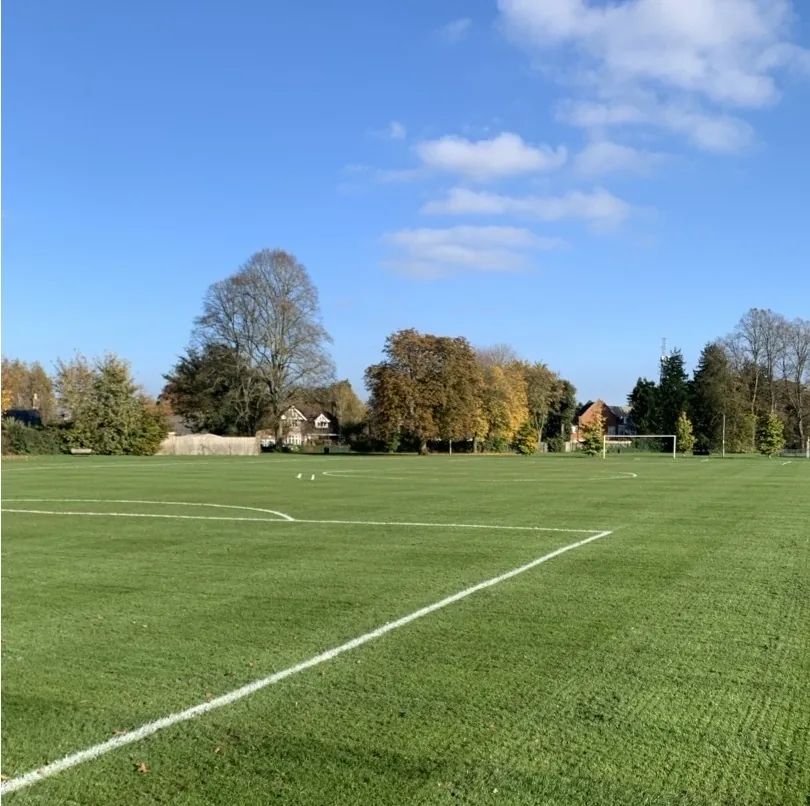
Easington Recreation Ground
Banbury · Town council grass
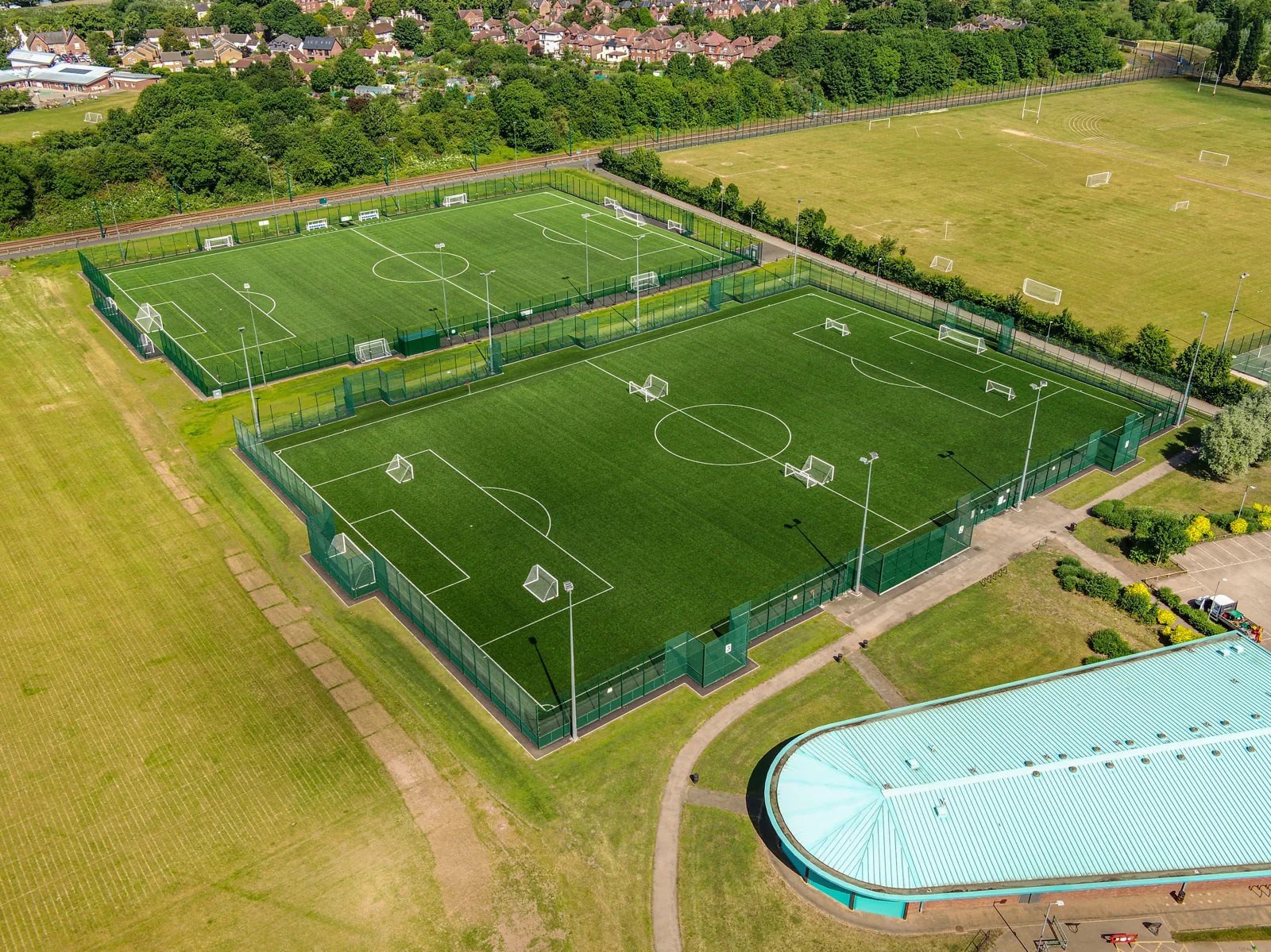
Gresham Sports Park
Nottingham · 3G and grass
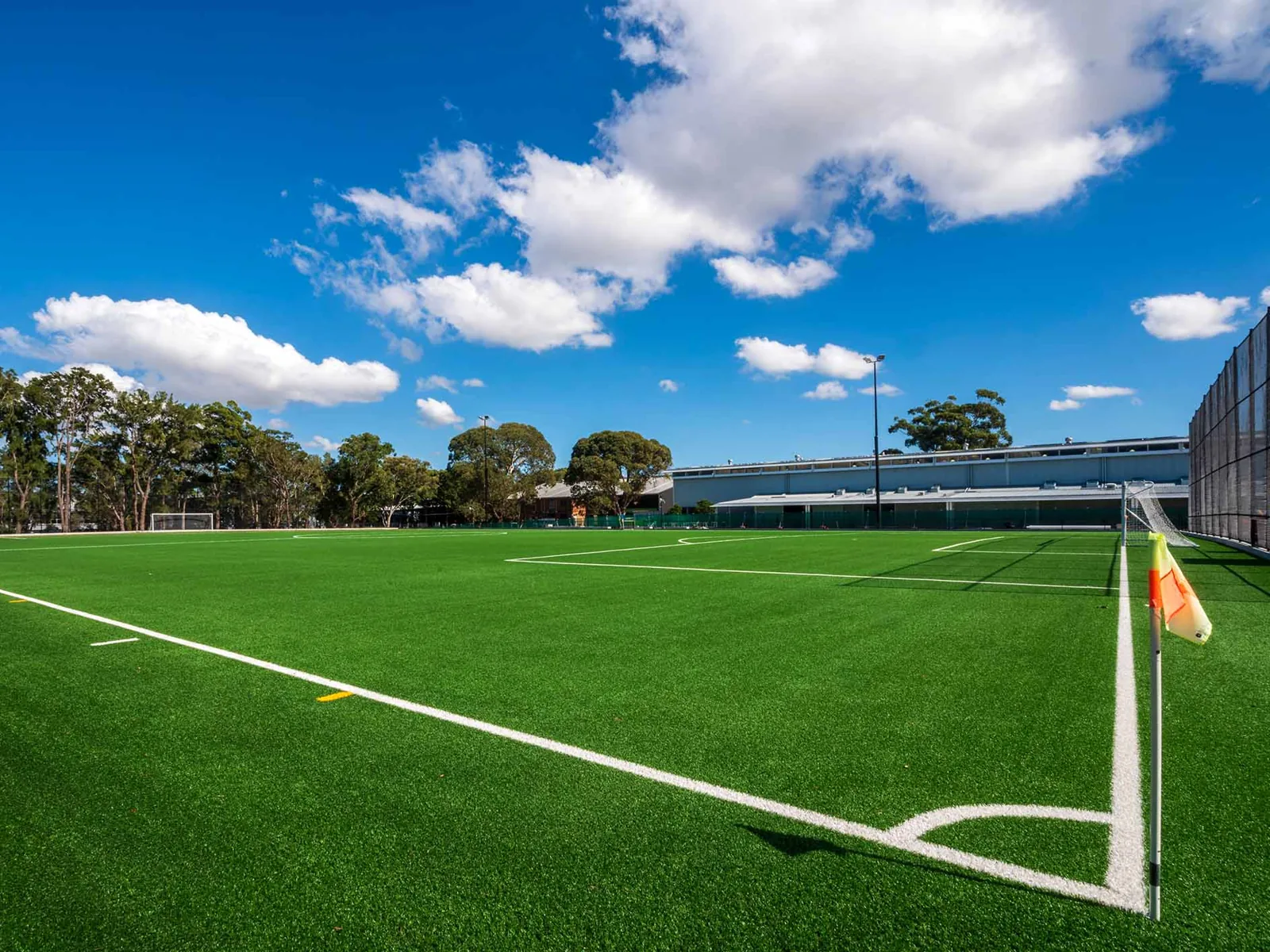
Perry Park Synthetic Sportsfield
Sydney · Council synthetic field
Things that catch people out
- Changing rooms are separate. Many park pitches have no changing at all, and where there is a pavilion it often costs extra or must be booked with a different team.
- Nets and corner flags. On grass, goalposts are usually up in season, but nets and corner flags may be your job. Ask.
- Pitch size. A council's "adult pitch" may be on the small side of the legal range. See football pitch dimensions.
- Cancellation fees. Brent Council, for example, charges 25 percent for late cancellation.
- Commercial rates. If you run paid sessions or a league, expect a commercial rate, as at Sydney's Perry Park.
Search the council's own site. Try "[your council] football pitch hire" or "[your council] sports pitch bookings". Council pitch pages often list every ground, the season dates and the price list as a PDF.
FAQ
Can anyone book a council football pitch?
Usually yes, but grass pitches are often let first to league teams for the season. Casual groups get what is left, and some councils ask you to register before your first booking.
Are council pitches cheaper than private 5-a-side centres?
Per player, a council grass pitch for 22 people is cheap. Council 3G pitches are priced close to private centres, though off-peak and junior rates can be lower.
Do council pitches have changing rooms?
Some do, in a pavilion or the nearby leisure centre, usually for an extra fee. Many park pitches have none.
Who decides if a council pitch is playable?
The council or its groundsman. They close pitches after heavy rain or frost to protect the grass, and a referee can also call a game off on the day.