How community pitches get built
 By the Find My Football Pitch team·
Updated ·
5 min read
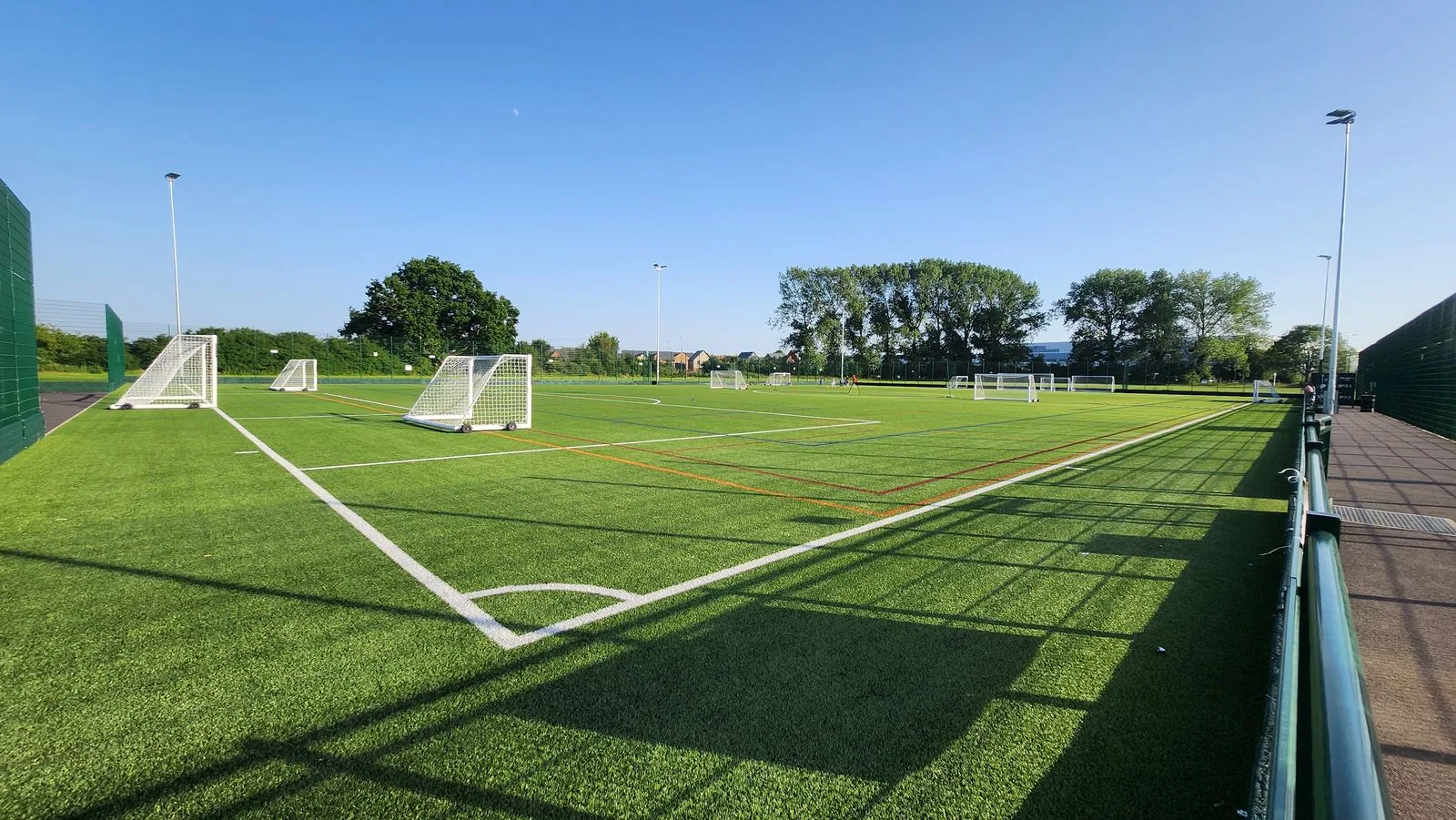
A full-size 3G pitch with floodlights costs far more than a grassroots club could raise from subs and raffles. Most community pitches are paid for by a mix of grants, council money and the club or school that will run them.
The short answer
In England, most new community football pitches are part-funded by the Football Foundation, a charity backed by the Premier League, The FA and the UK Government. The rest usually comes from the local council, a school or club, and sometimes developers or other grants. In return, the pitch has to be open to the community at affordable prices, and the operator has to save for its replacement. Scotland, Wales, Northern Ireland, Ireland, Australia and New Zealand have their own national and council funding schemes.
The Football Foundation
The Football Foundation describes itself as the Premier League, The FA and Government's charity, and it funds grassroots facilities in England. According to the Premier League's page on the Foundation, it has made more than 75,800 grants, including about 1,300 3G pitches, 15,250 grass pitch improvements and 1,700 changing pavilions, worth more than £2.8 billion including contributions from local partners.
It funds more than artificial pitches:
- 3G pitches, full-size and small-sided, often with floodlights.
- Grass pitch improvements, such as drainage and help with maintenance, which matter because most grassroots football is still played on grass.
- Changing pavilions, so teams, referees and women's and girls' teams have proper facilities.
- Football hubs, larger sites with several 3G pitches and a building, usually in partnership with a council.
How a pitch gets funded
A new community 3G usually comes together like this:
- The need is identified. In England, the Football Foundation works with councils and partners on Local Football Facility Plans, a roadmap of the facilities each area needs. You can look up your area's plan on the Foundation's website.
- A lead applicant steps forward. This is usually a council, a school or academy trust, or a well-run club. They need to own the land or have a long lease.
- Partnership funding is found. The Foundation does not normally pay for everything. The applicant brings its own money or other grants, from council budgets, developer contributions, the club's reserves or other funders.
- A business plan is agreed. The applicant shows how bookings will cover running costs and a replacement fund, and how the pitch will be used by clubs and the community.
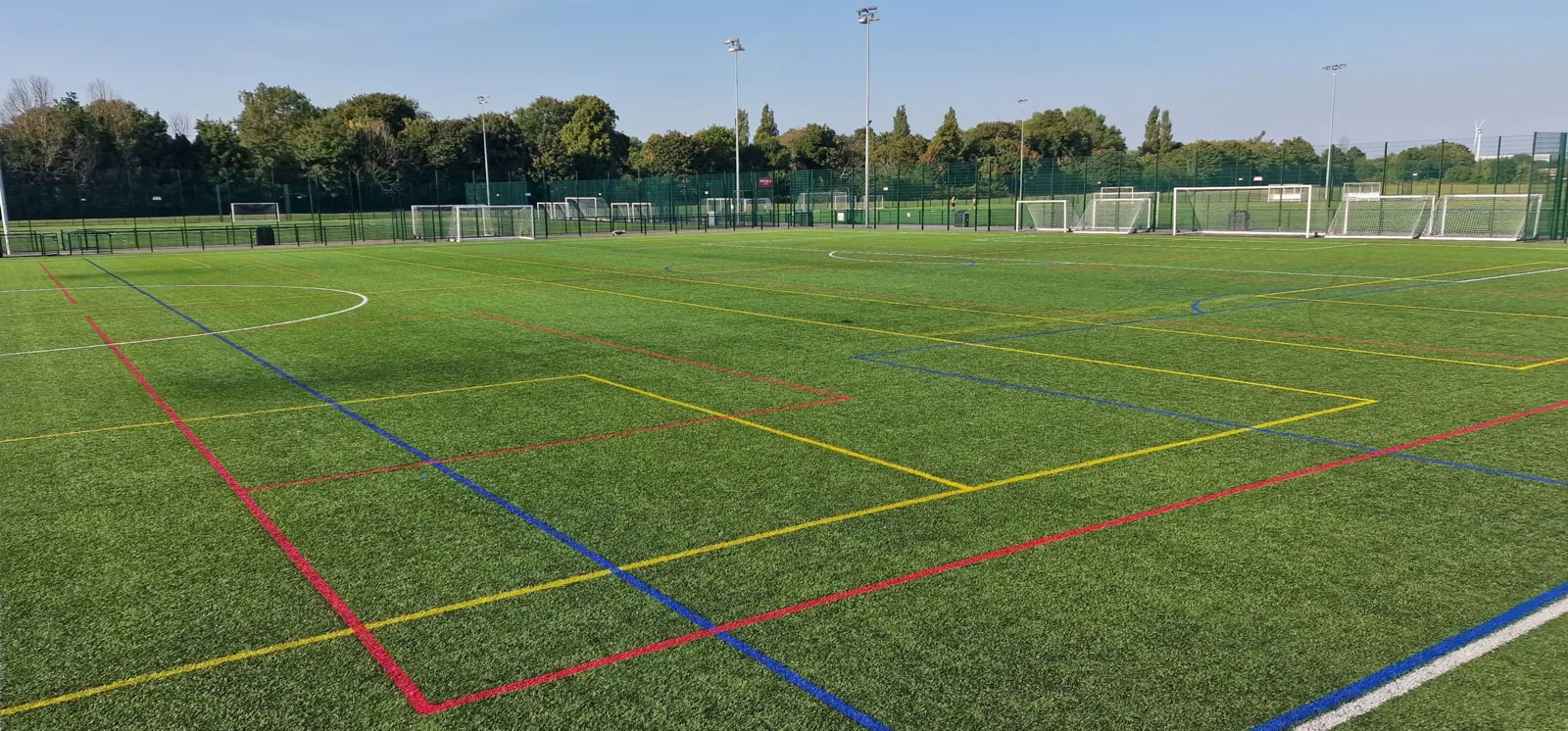
- The pitch is built and tested. For affiliated matches, a 3G pitch must pass a performance test and go on the FA's register. See how artificial pitches are built.
Many hubs are then run by an operator. In Liverpool, Derby and Sheffield, the charitable trust Leisure United runs hubs on behalf of the council. Derby's Racecourse Playing Fields hub opened in 2025 with four 3G pitches.
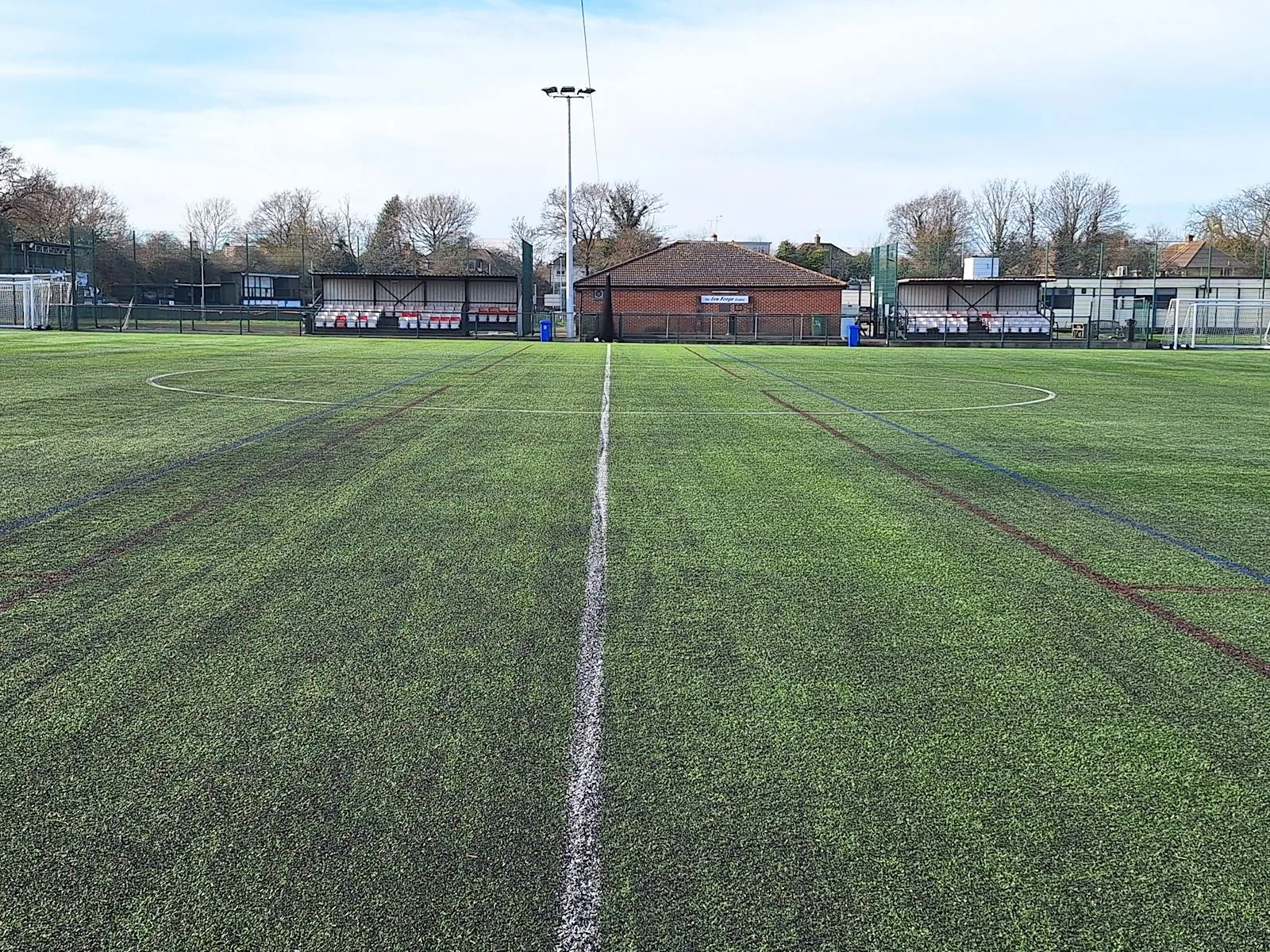
Len Forge Centre
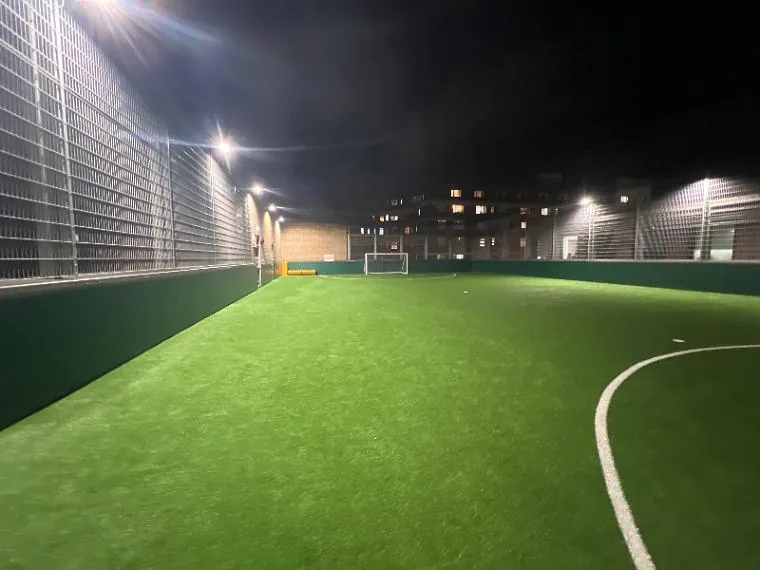
Southend-On-Sea · Foundation-funded 3G
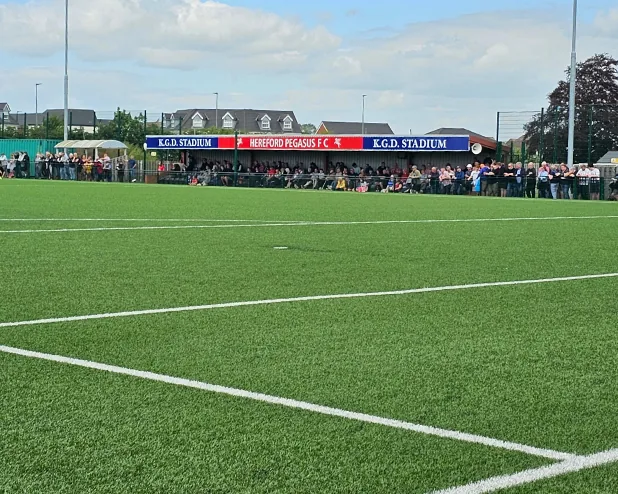
Hereford Pegasus FC
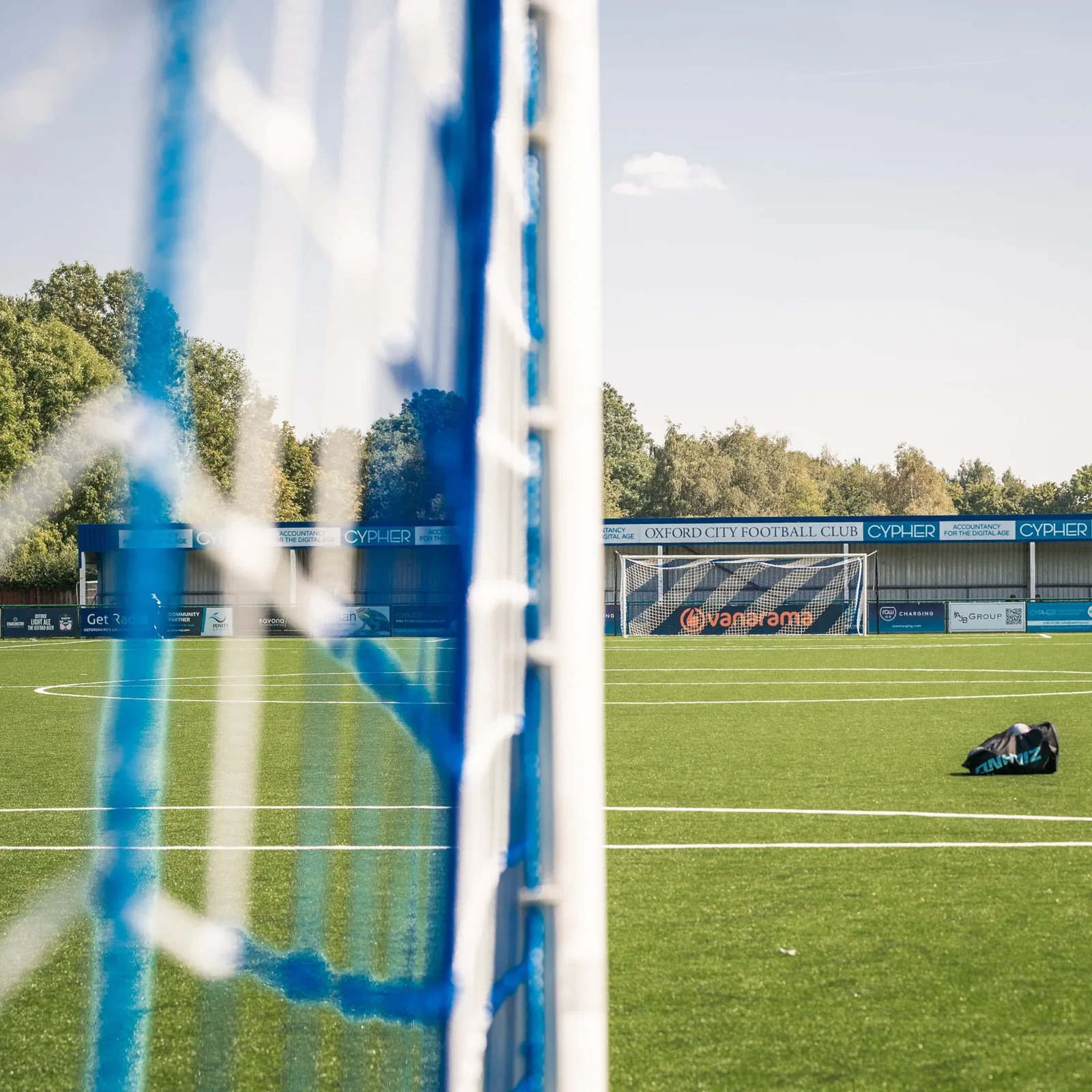
Hereford · Club-run 3G
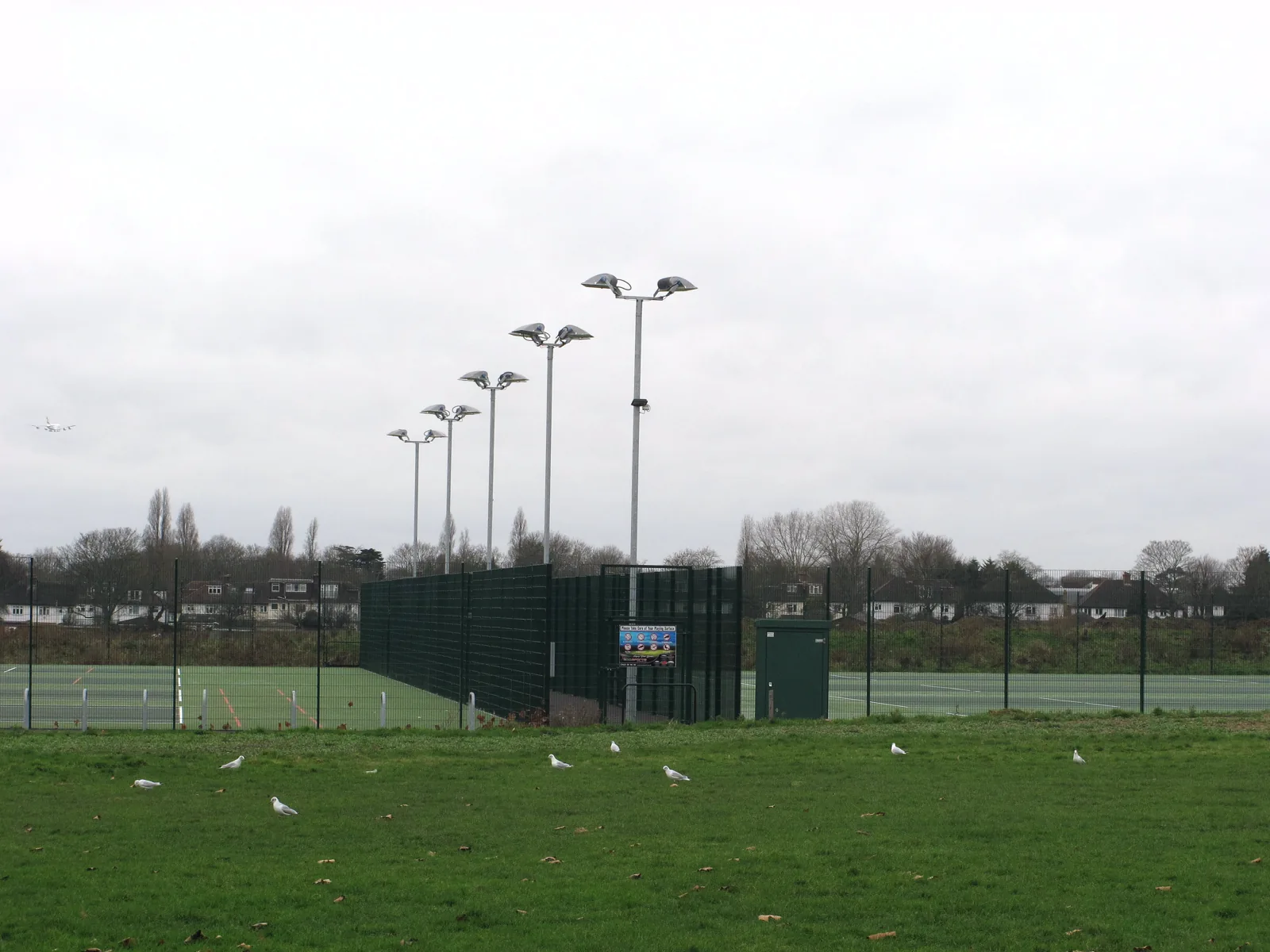
Gunnersbury Park Sports Hub
London · Football hub
What the money comes with
Grant money comes with conditions, and they shape how the pitch is run:
- Community use. The pitch has to be open to local clubs and the public for a set amount of time, which is why many school pitches are available to hire in the evenings. See hiring a school pitch.
- Football first. Peak slots are usually reserved for football, with priority for affiliated clubs, junior teams, women's and girls' football and disability football.
- A sinking fund. A 3G carpet wears out, so operators must put money aside each year to replace it. That is one reason hire prices are not lower. See how long a 3G pitch lasts.
- Maintenance. Brushing, topping up infill and regular testing are part of the deal.
- Pricing rules. Operators set different rates for partner clubs and casual users. Leisure United, for example, lists peak, off-peak, FA-affiliated club and block booking rates.
Running a club that needs a pitch? Talk to your county FA first. They know the local plan, what has been funded nearby and who to contact at the Football Foundation.
Funding outside England
- Scotland. Pitches are funded through sportscotland, the Scottish FA, councils and trusts. Many city pitches are run by council leisure trusts such as Edinburgh Leisure and Glasgow Life.
- Wales. The Cymru Football Foundation, which works with the Football Association of Wales, runs a facilities programme with grants of up to £500,000 for grass and artificial pitches, clubhouses and changing rooms. Clubs, charities and councils can apply when the fund is open.
- Northern Ireland. Funding comes through councils, Sport NI and the Irish FA. Belfast City Council's leisure centres include several 3G pitches.
- Ireland. Clubs apply for government grants through the Community Sport Facilities Fund, formerly the Sports Capital and Equipment Programme, and councils build all-weather parks such as South Dublin's Airlie Park.
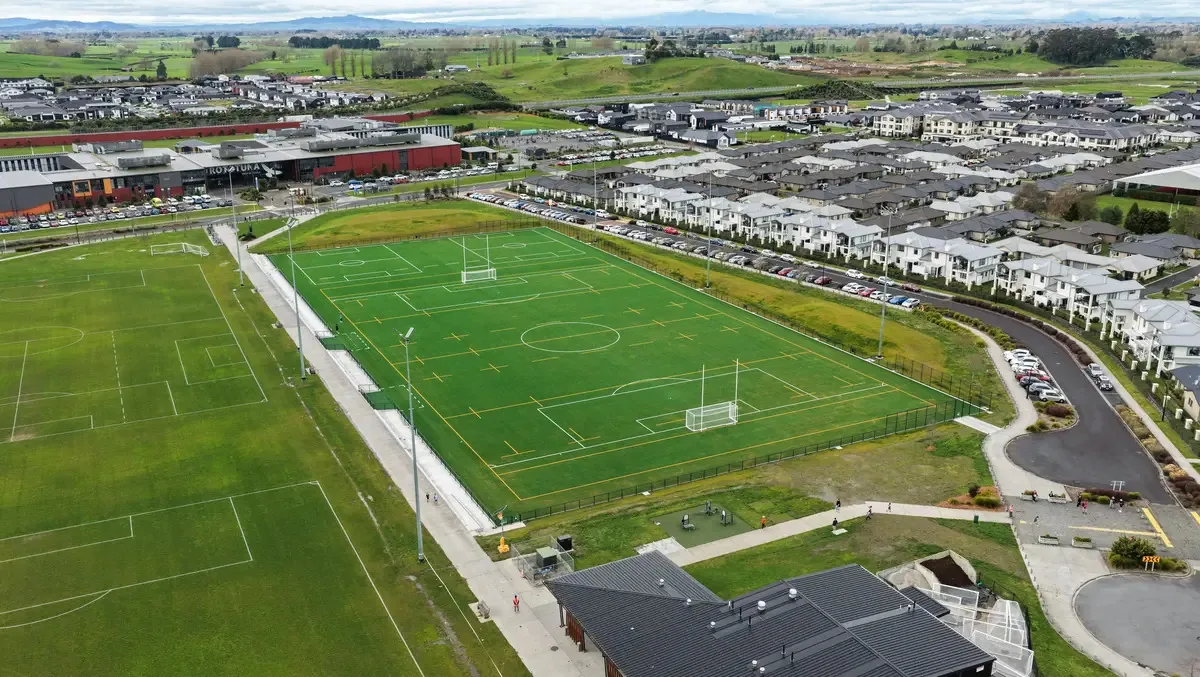
- Australia and New Zealand. Councils own most sportsgrounds and pay for synthetic fields, often with state or regional grants. Hamilton City Council in New Zealand opened its first council-owned artificial football turf at Korikori Park in July 2026.
What it means for players
Funded pitches are the backbone of local football. If you play on a council or school 3G, it was very likely paid for partly by a grant. That has two effects for you:
- Community pitches are open to casual groups, not only clubs, and often at fairer prices than you would expect for a new facility.
- Clubs get first pick of peak slots, so casual groups may find weeknight bookings tight. A block booking helps.
To find funded hubs near you, browse the cities in our directory, or read council football pitches for how booking works.
FAQ
Who pays for community football pitches?
In England, usually a mix of the Football Foundation, the local council and the school or club that will run the pitch. Elsewhere, national sports bodies, governments and councils fund most pitches.
Can a club apply to the Football Foundation?
Yes, clubs as well as councils and schools can apply, but they need secure use of the land, a business plan and usually some funding of their own.
Why do funded pitches still charge for hire?
Hire fees pay for maintenance, staff, floodlights and a fund to replace the surface when it wears out.
What is a football hub?
A larger site with several 3G pitches and changing facilities, built with Football Foundation funding and run with the council, often by a trust or leisure operator.