Which boots for which pitch?
 By the Find My Football Pitch team·
Updated ·
5 min read
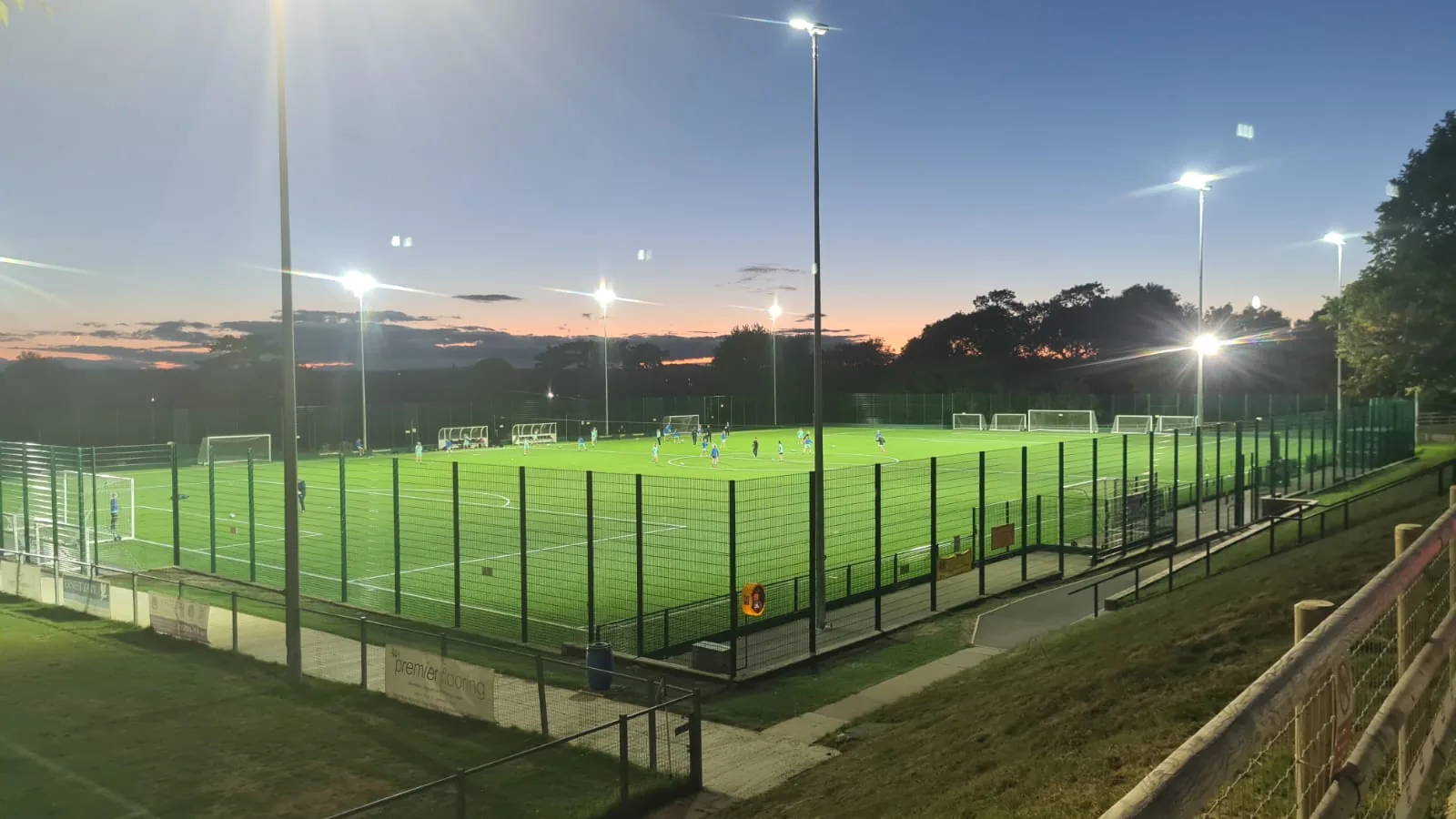
Turn up to a 3G pitch in the wrong boots and you will either slide around or be sent back to the car. Each surface has a type of sole that grips well, protects your knees and keeps the venue happy.
The short answer
For 3G, wear artificial ground (AG) boots, or firm ground (FG) boots with moulded studs. Both are allowed almost everywhere. Turf trainers (TF, often called astros) are fine on most 3G in dry weather and are the best choice on older sand-based astroturf. Metal studs, screw-ins and soft ground (SG) boots are usually banned on 3G. On grass, wear FG boots, or SG screw-ins when it is wet and soft. Indoors on a sports hall floor, wear flat indoor court (IC) shoes. Always check the venue's footwear rules, because they differ.
Boots for each pitch at a glance
| Surface | Best | Also fine | Avoid |
|---|---|---|---|
| 3G or 4G (rubber crumb) | AG | FG moulded, TF when dry | Metal studs, SG, blades at many venues, flat indoor shoes |
| Sand-based astroturf (2G) | TF | Trainers with good grip | Any studs, at most venues |
| Firm grass | FG | AG, multi-ground (MG) | TF in the wet, IC |
| Soft or muddy grass | SG screw-ins | FG | TF, IC |
| Sports hall or futsal court | IC | Non-marking trainers | Anything with studs, black soles that mark |
| Indoor 3G pitch | AG or TF | FG moulded | Metal studs, SG |
The letters on the box are explained in AG, FG, TF or IC: boot soles explained.
Boots for 3G
A 3G pitch has long synthetic fibres held up by sand and a top layer of rubber crumb. You want studs that sink into that infill and pull out again easily. Read what is a 3G pitch for how the surface is built.
- AG boots have more, shorter, often hollow studs. They spread the load, grip without locking in and wear well on an abrasive surface. They are the best match if you play mostly on 3G.
- FG boots have moulded studs and are allowed on almost all 3G pitches. The longer studs grip more, which some players feel in their knees and ankles over time. See can you wear moulded studs on 3G.
- TF trainers have lots of small rubber pimples. They are comfortable and work on dry 3G, but they slip when the pitch is wet. The Sussex County FA's footwear guide for its own 3G lists them as allowed only in dry weather.
Metal studs, SG screw-ins and many bladed boots are banned on 3G at most venues, because they cut fibres and kick out the infill. The reasons are set out in why metal studs are banned on artificial pitches.
Boots for sand-based astroturf
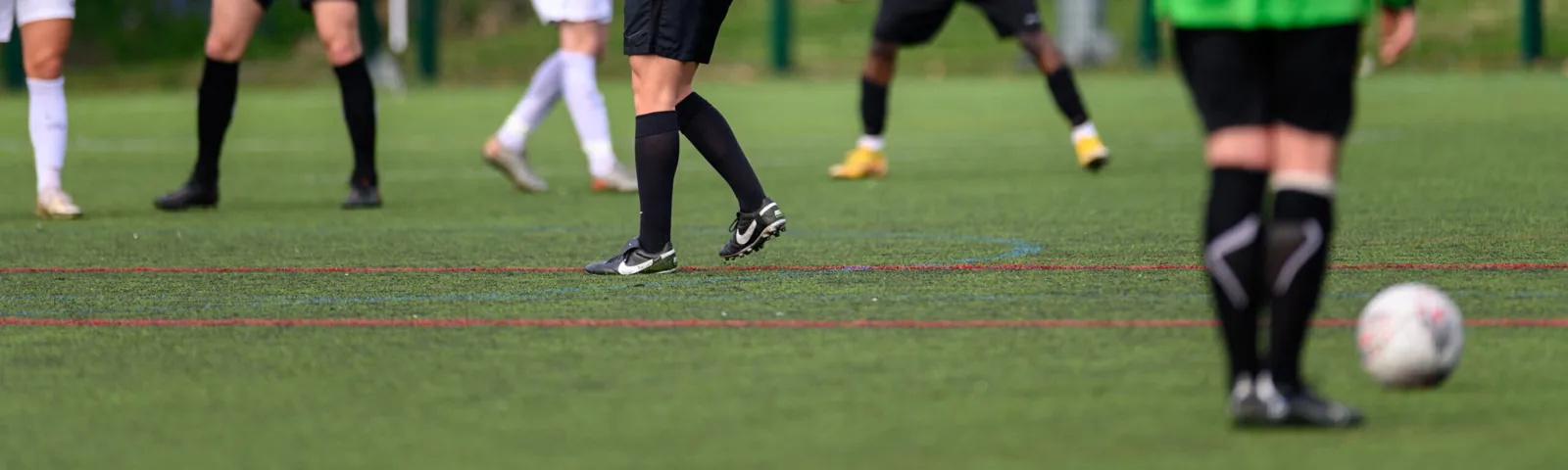
Older artificial pitches, often called astro or 2G, have short fibres filled with sand and no rubber. Many were built for hockey. There is little depth for studs to sink into, so studs skate on the surface and wear the carpet. Most venues want TF trainers or flat-soled trainers with good grip. Coopers' Company and Coborn School in Upminster, for example, bans studded boots on its sand-based astro. Our guide on trainers on astro covers what works.
Boots for grass
Natural grass changes through the season. FG boots handle dry and normal pitches. When the ground is soft and muddy in winter, SG boots with screw-in studs, usually six of them, give the grip you need. On rock-hard summer grass, AG or multi-ground boots are kinder to your feet than full-length FG studs.
Shoes for indoor pitches and courts
A sports hall, futsal court or sprung wooden floor needs a flat, non-marking rubber sole, sold as IC or indoor court shoes. Studs and pimples of any kind are banned on these floors. The Rec Club in Miranda, Sydney, allows no studs on its indoor surfaces at all. For futsal in particular, see futsal shoes.
Indoor 3G pitches, such as Aberdeen Sports Village's, are a different case. They are artificial grass under a roof, so 3G rules apply.
County Sports Ground (Worcestershire FA)
Worcester · Moulded studs only
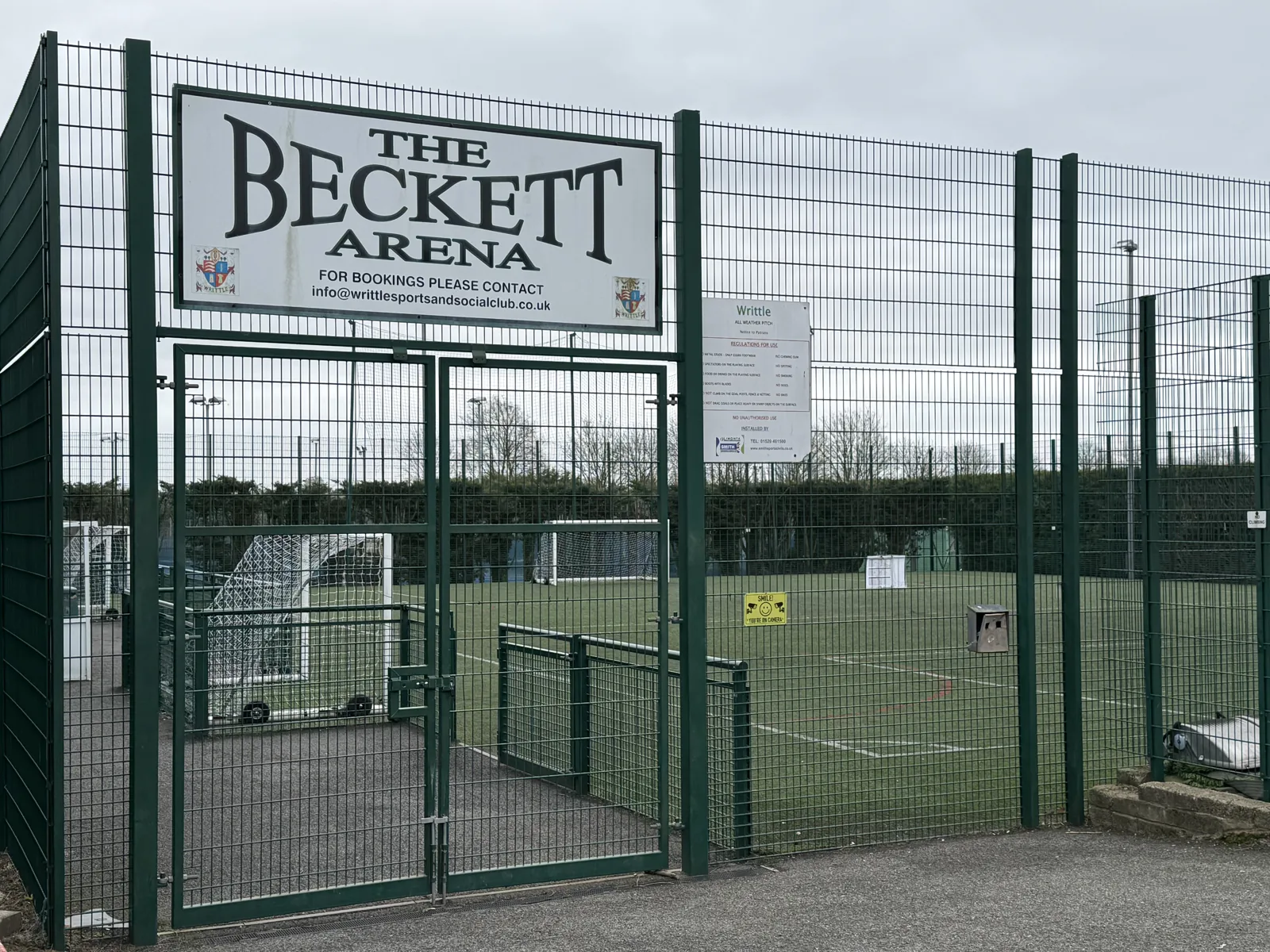
Writtle 4G Court (Beckett Arena)
Chelmsford · Floodlit 4G court
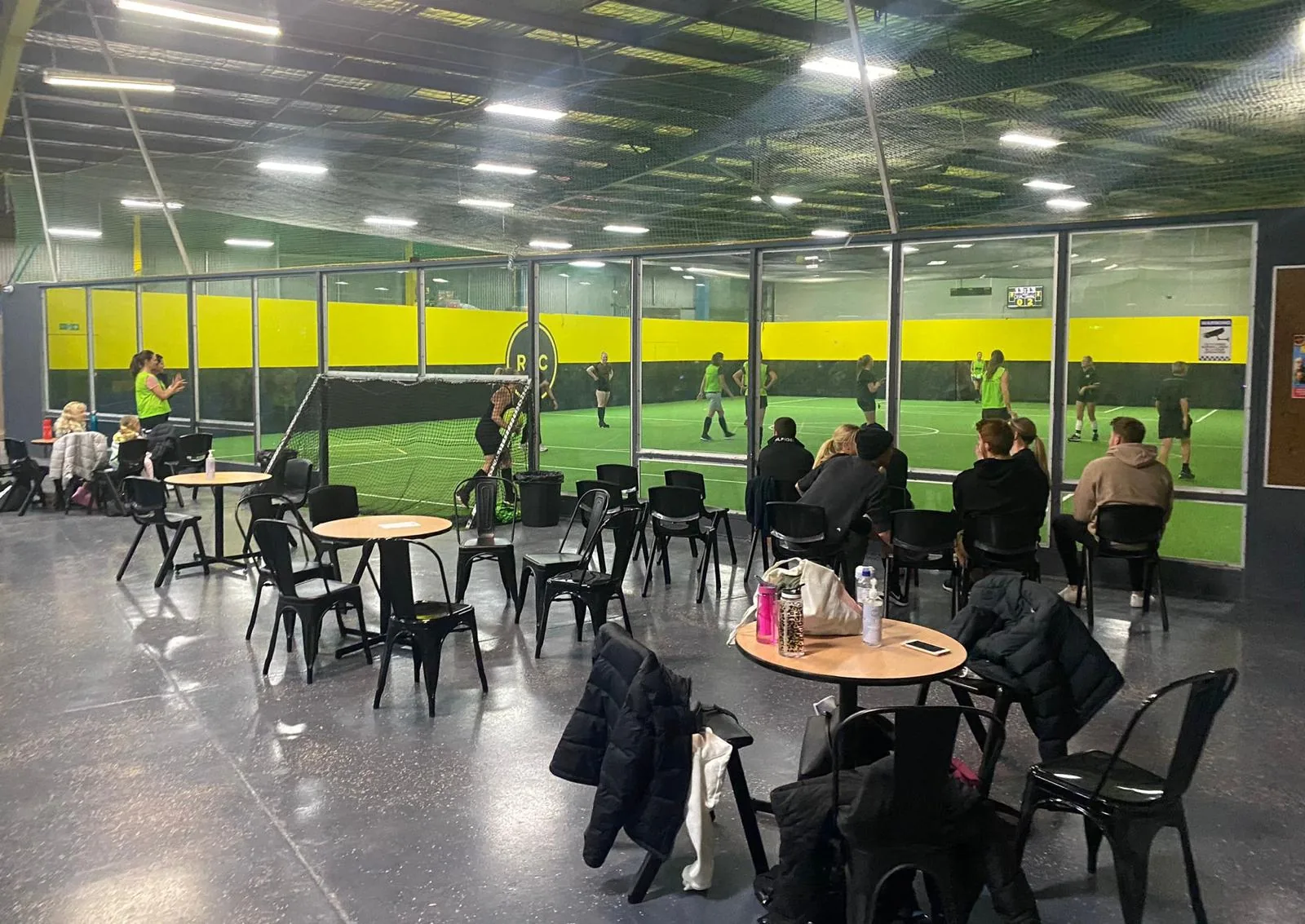
The Rec Club
Sydney · Indoor, no studs
Venue footwear rules
There is no single national rule, so each operator sets its own. Examples from our directory:
- County Sports Ground, Worcester: only plastic moulded studs on the 3G.
- Writtle 4G court, Chelmsford: football boots with moulded or rubber studs only.
- Stoneham Lane, Southampton: moulded or screw-in studs, or astro trainers.
- Zara Sports Centre, Bradford: 3G turf boots or trainers.
- Queensferry, Edinburgh: studded footwear required on the 3G.
- Leisure Leagues 3G leagues: astro trainers or moulded boots.
Rules even disagree on trainers. Some venues ban flat trainers because they flatten the fibres; others accept them. If a pitch has a sign at the gate, that sign wins. Staff can refuse you entry in the wrong footwear.
One pair for everything? If you play mostly 5-a-side on 3G with the odd game on grass, AG boots are the most versatile. If you play mostly on grass, FG boots also work on almost all 3G. Keep a cheap pair of TF trainers for sand-based astro and frozen winter pitches.
Cities in our directory with the most artificial grass pitches:
FAQ
What boots should I wear on 3G?
AG boots are the best match, and FG moulded boots are allowed almost everywhere. Turf trainers work in dry weather. Avoid metal studs and screw-ins.
Can I wear astros on 3G?
Usually yes. TF astro trainers are allowed on most 3G pitches, but they grip poorly when the surface is wet, and a few venues require studs.
Are bladed boots allowed on 3G?
It depends on the venue. Many ban them because blades can cut the fibres or lock into the surface. Check the venue rules before you go.
Do I need different boots for 4G?
No. 4G is a marketing name for a 3G-style surface, so 3G boots work on it.