What is a 3G pitch?
 By the Find My Football Pitch team·
Updated ·
5 min read
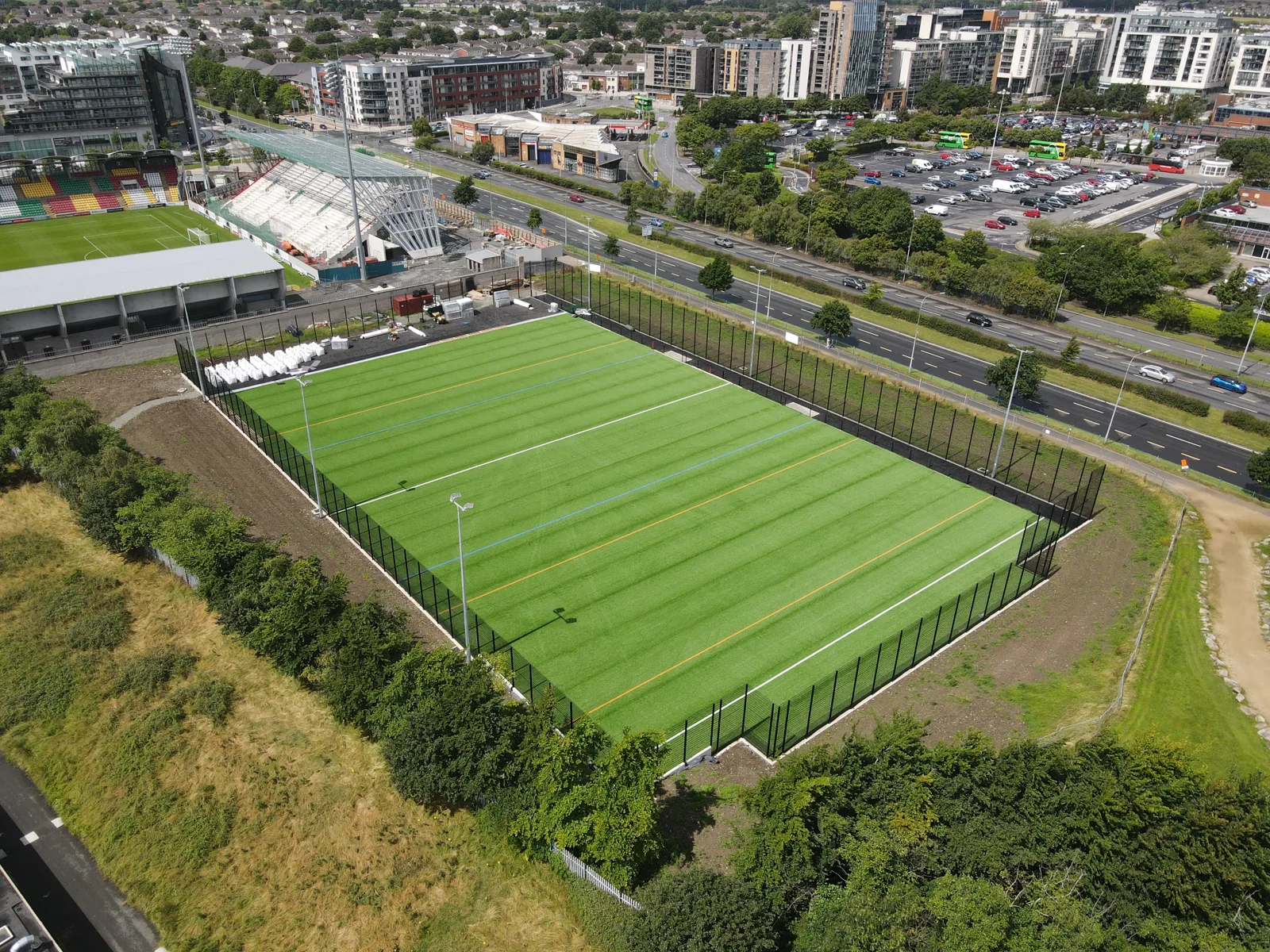
3G is the artificial grass you find at almost every football centre, school sports hub and community club built in the last fifteen years. The name gets used loosely, so it helps to know what is actually in a 3G pitch, how it differs from the older astro pitches, and what it means for your boots and your knees.
The short answer
A 3G pitch is a third-generation artificial grass pitch built for football. It has long synthetic fibres, often around 60 mm tall on community pitches, held upright by a layer of sand and topped with rubber crumb or another cushioning infill. The rubber gives grip and bounce close to good natural grass, so you can play, turn and slide much as you would on grass. 3G is used for 5-a-side up to full 11-a-side and plays in almost any weather.
What the G stands for
G stands for generation. Artificial grass has gone through three broad stages, and the names stuck:
- 1G. The first artificial turf of the 1960s and 1970s: short nylon fibres with no infill, like a hard carpet. AstroTurf at the Houston Astrodome was the famous early example.
- 2G. Shorter polypropylene fibres filled or dressed with sand. Fast and hard, ideal for hockey. This is what most people in the UK call astro.
- 3G. Longer fibres with sand and rubber infill, developed for football in the late 1990s and 2000s. It aims to copy how grass plays.
You will also see 4G and 5G in adverts. They are marketing names for newer 3G products, not a separate standard. Our guide to 3G vs 4G goes into that.
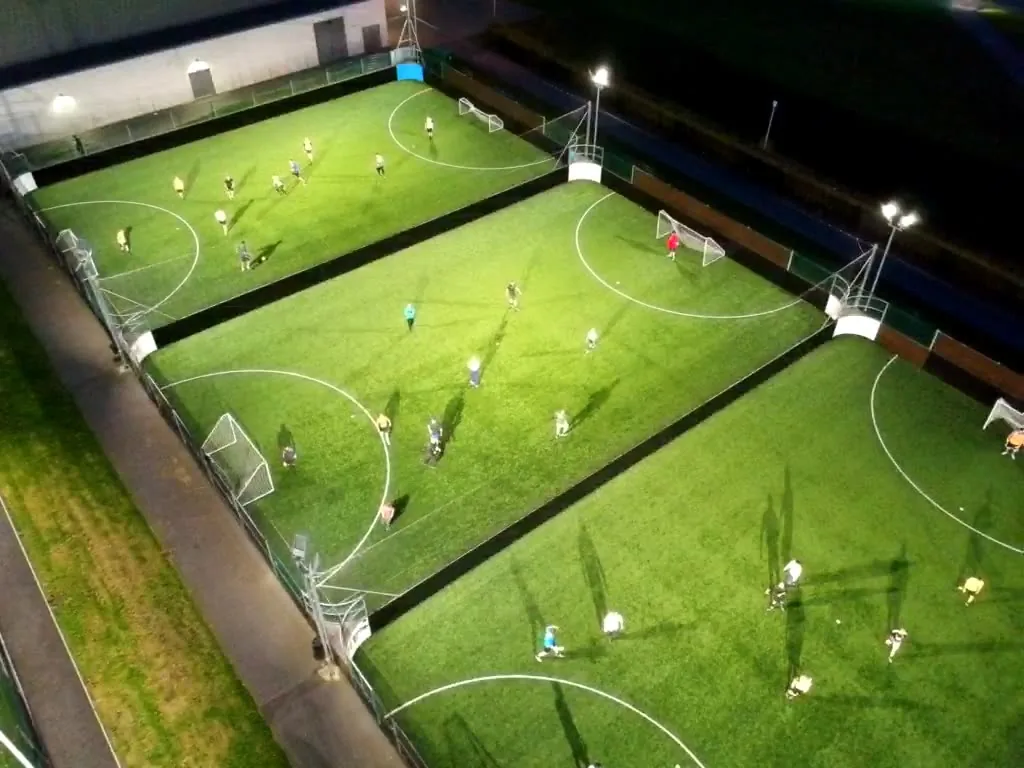
What is inside a 3G pitch
A 3G pitch is built in layers, from the ground up:
- Drainage and stone base. The ground is levelled and drained, then covered in compacted stone so rain drains straight through.
- Shock pad. Many pitches have a rubber or foam pad under the carpet to soften falls and take some load off joints.
- Carpet. A backing with long polyethylene fibres tufted through it, laid in rolls and joined. Lines are tufted in during manufacture or inlaid, which is why 3G lines never need painting.
- Sand. A layer of sand brushed into the base of the fibres. It weighs the carpet down and keeps the fibres upright.
- Performance infill. Rubber crumb or an alternative on top of the sand, filling most of the remaining height so only the top of each fibre shows.
Our guide to how artificial pitches are built explains the groundworks in more detail.
Rubber crumb and other infills
The black bits you find in your socks are the performance infill. The common types are:
- SBR rubber crumb. Granulated recycled car tyres. Cheap and the most common in community pitches.
- EPDM or TPE. New coloured rubber or thermoplastic granules, often green or brown. More expensive.
- Organic infill. Cork, coconut fibre or similar. Used where councils want to avoid rubber. Wellington City Council's Alex Moore Park, for example, uses an organic infill.
Rubber infill is a microplastic, and the European Union has restricted it. Under its 2023 microplastics rules, granular infill can no longer be sold for sports pitches in the EU from 17 October 2031. New pitches are moving towards non-infill and organic designs as a result. Health questions about crumb rubber are covered in is rubber crumb safe, and the black bits themselves in black bits on astroturf.
Not every artificial pitch is 3G. Some venues list a sand-filled hockey pitch as artificial grass or astro. If the fibres are short and there is sand rather than rubber between them, it is 2G. It plays faster and needs flat-soled shoes.
How 3G plays
A good 3G pitch plays close to a firm, dry grass pitch. The ball rolls true and a little faster than on grass. Bounce is similar. You can slide, though you may still pick up a burn on bare skin. Rain makes it quicker but rarely stops play, and frost only closes it in hard freezes.
Quality depends on maintenance. A worn pitch with compacted, low infill gets hard and the fibres lie flat. A well-kept pitch is brushed regularly and topped up with infill. For a fuller list of strengths and weaknesses, see artificial vs real grass.
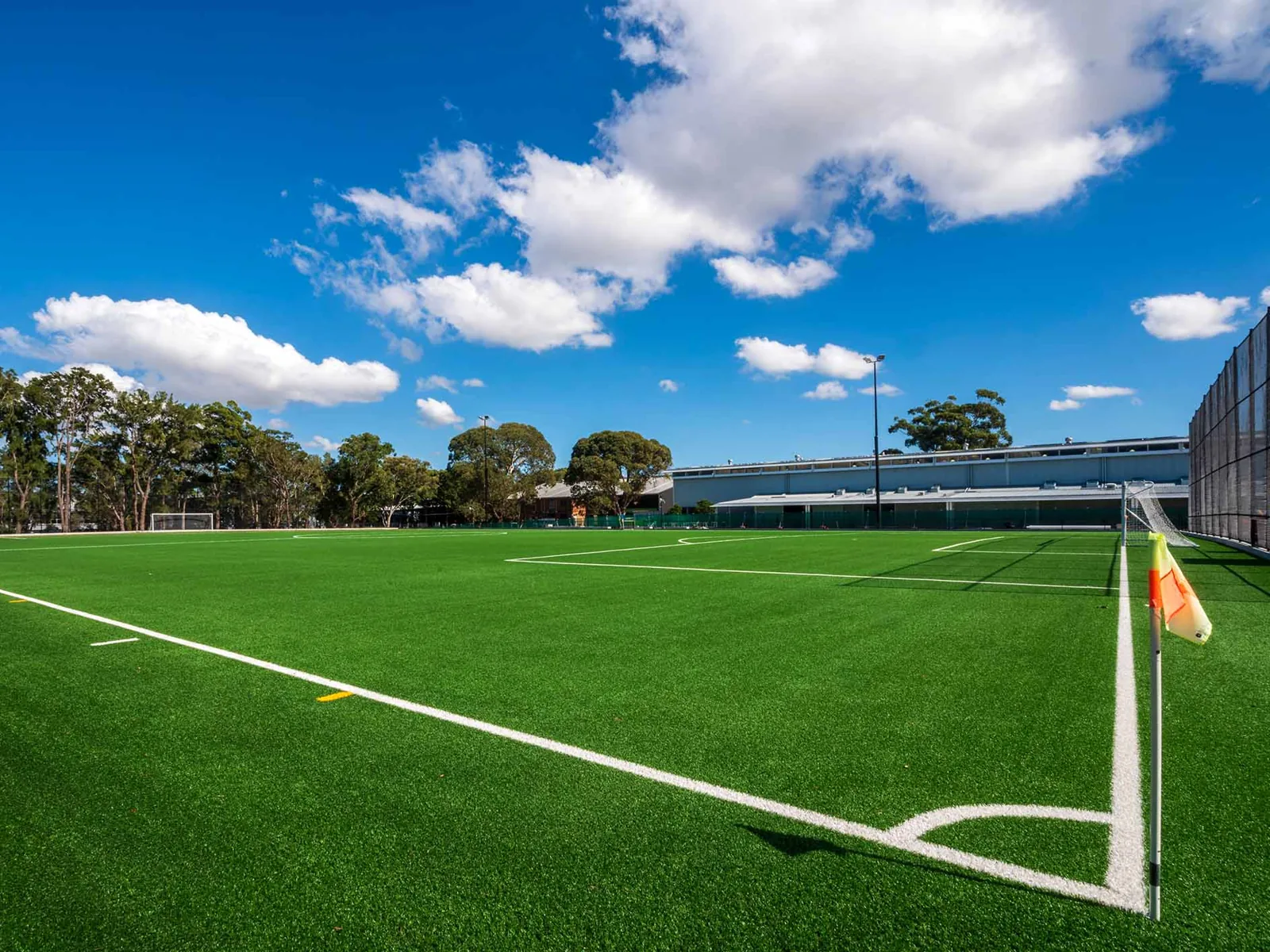
Standards and testing
3G pitches are tested for how the ball rolls and bounces, how much they cushion a fall and how much grip they give. Two schemes matter most:
- FIFA Quality Programme. FIFA certifies football turf at two levels, FIFA Quality and the higher FIFA Quality Pro, based on lab and on-site tests.
- The FA register. In England, a 3G used for affiliated competitive matches must be on the FA's register of football turf pitches, which means passing a performance test and being retested: every year at steps 1 to 6 of the National League System, and every three years at step 7 and below.
Other associations run similar schemes. If a club says a pitch is "FA registered" or "FIFA Quality", it has passed a test as well as being installed.
What to wear on 3G
- AG (artificial ground) boots. Many short, rounded studs. The best choice for most players.
- TF (turf) trainers. Lots of small rubber pimples. Good for 5-a-side and older, firmer 3G.
- FG (firm ground) moulded boots. Usually allowed, but the longer studs can grip too much and stress knees and ankles. See moulded studs on 3G.
- Metal studs. Almost always banned on 3G.
Our guide to boots for 3G compares them.
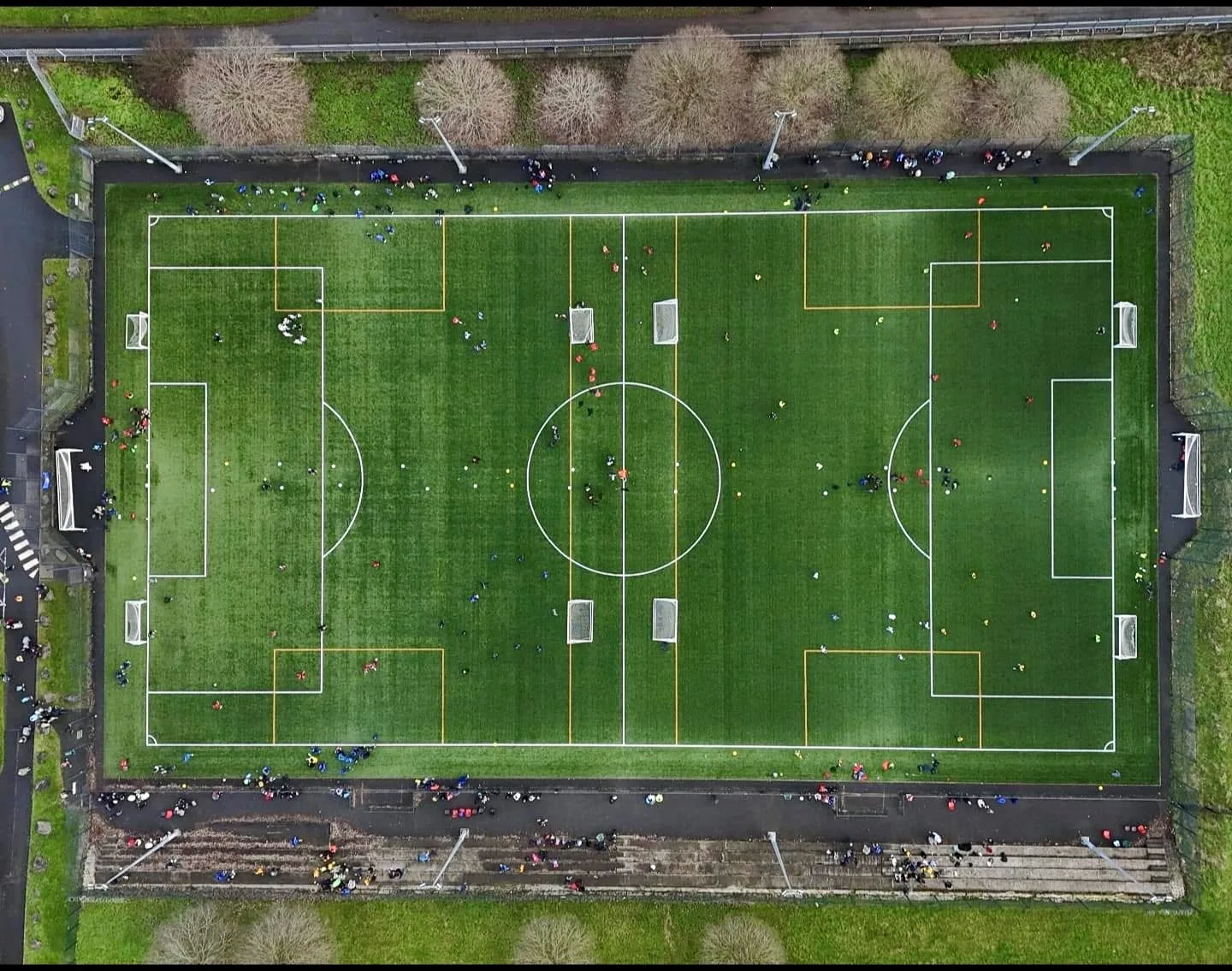
Sean Walsh Park 3G Pitch
Dublin · Full-size 3G
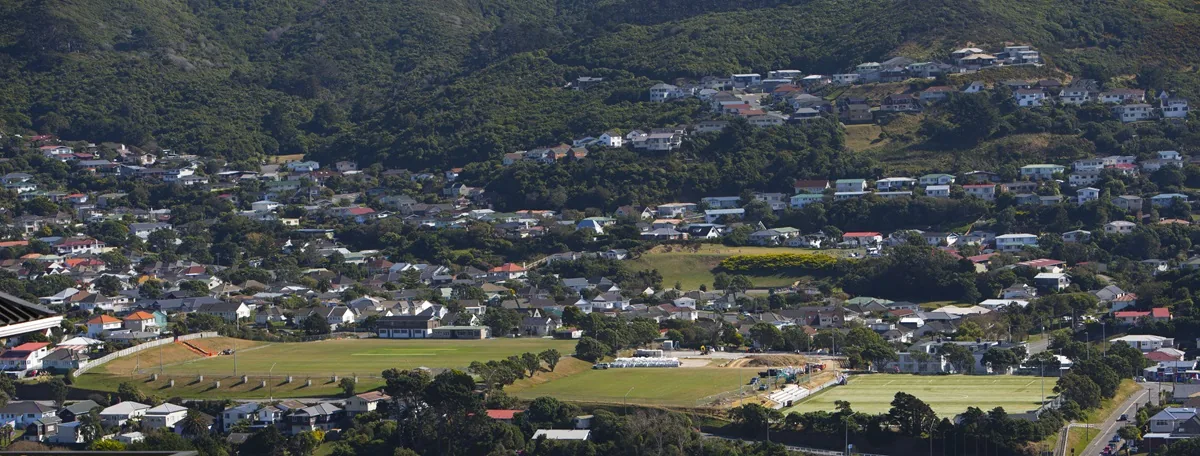
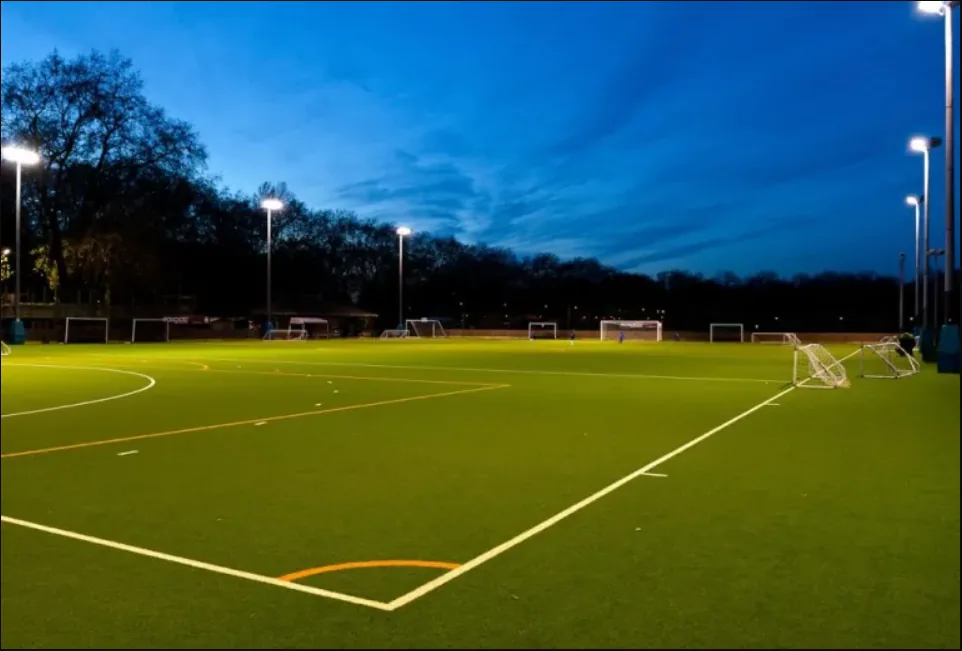
Alex Moore Park artificial turf
Wellington · Organic infill 3G
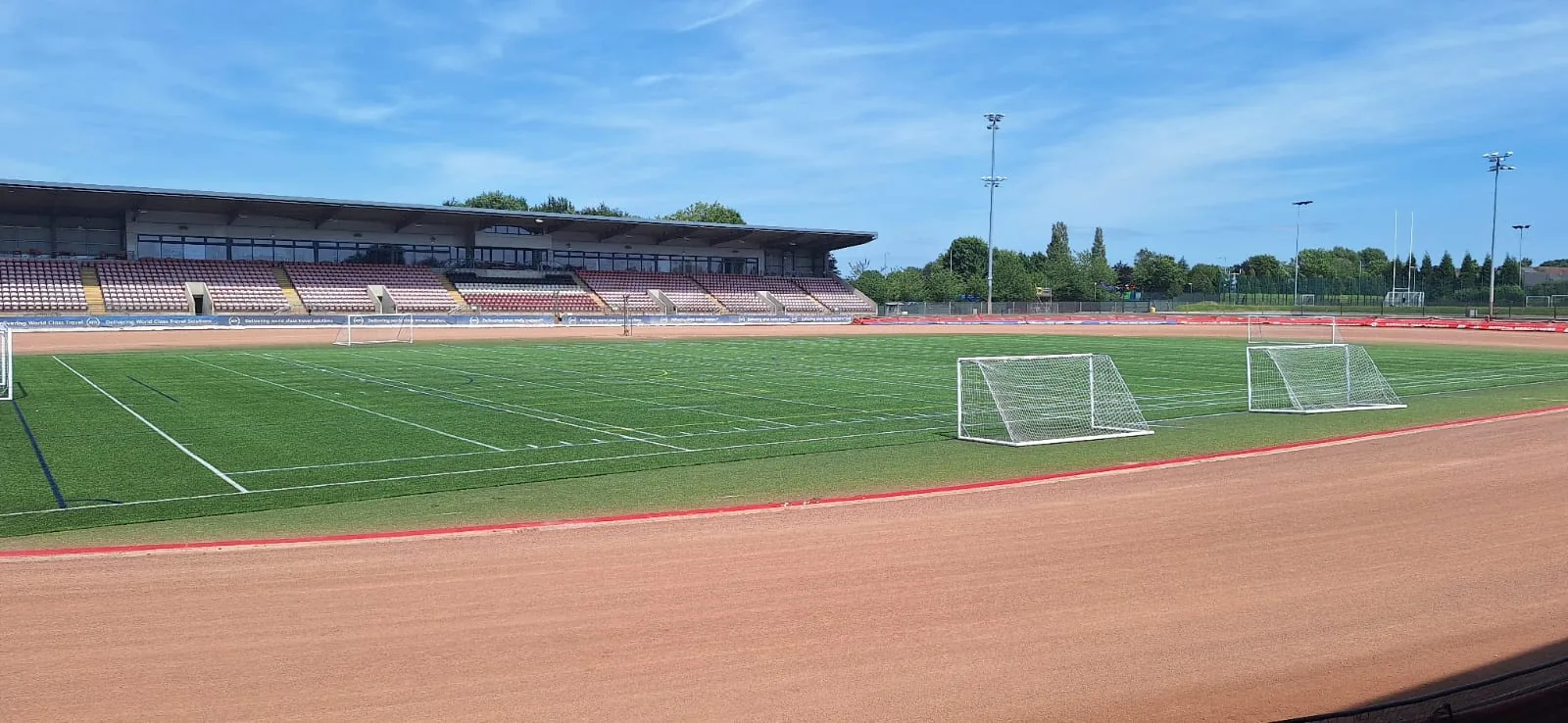
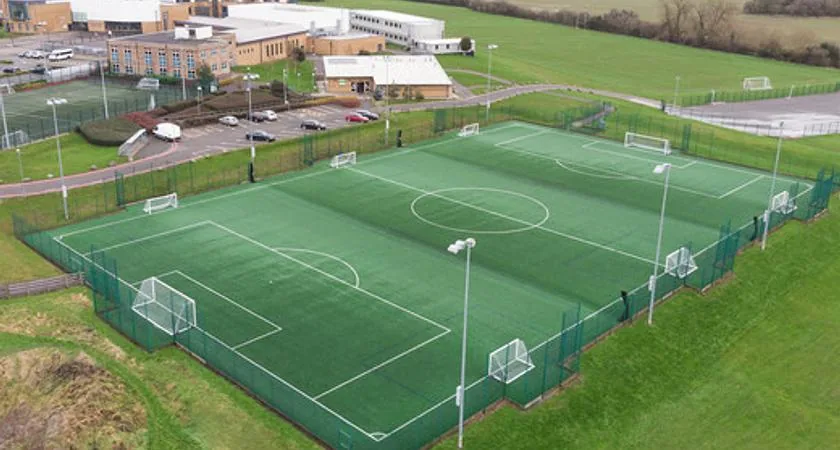
Belle Vue Sports Village
Manchester · 3G stadium pitch
Cities with the most artificial grass pitches in our directory:
FAQ
What does 3G stand for?
Third generation. It refers to the third main type of artificial turf, with long fibres and sand and rubber infill, after the early nylon carpets and the sand-filled pitches used for hockey.
Is 3G the same as astroturf?
Not quite. AstroTurf is a brand name, and in the UK astro usually means an older sand-based pitch. 3G is a newer long-pile surface with rubber infill.
Can you wear studs on a 3G pitch?
Moulded studs are usually allowed, but AG boots are better. Metal studs are almost always banned.
Does a 3G pitch need watering?
No. 3G pitches are played dry. The artificial pitches that are watered before matches are water-based hockey pitches, which are a different surface.