Artificial vs real grass for football
 By the Find My Football Pitch team·
Updated ·
5 min read
Most players have a view on this. Grass feels like proper football, artificial grass means you actually get a game in February. Both are right. This guide compares the two surfaces on the things that matter when you play on them, book them or have to pay for them.
The short answer
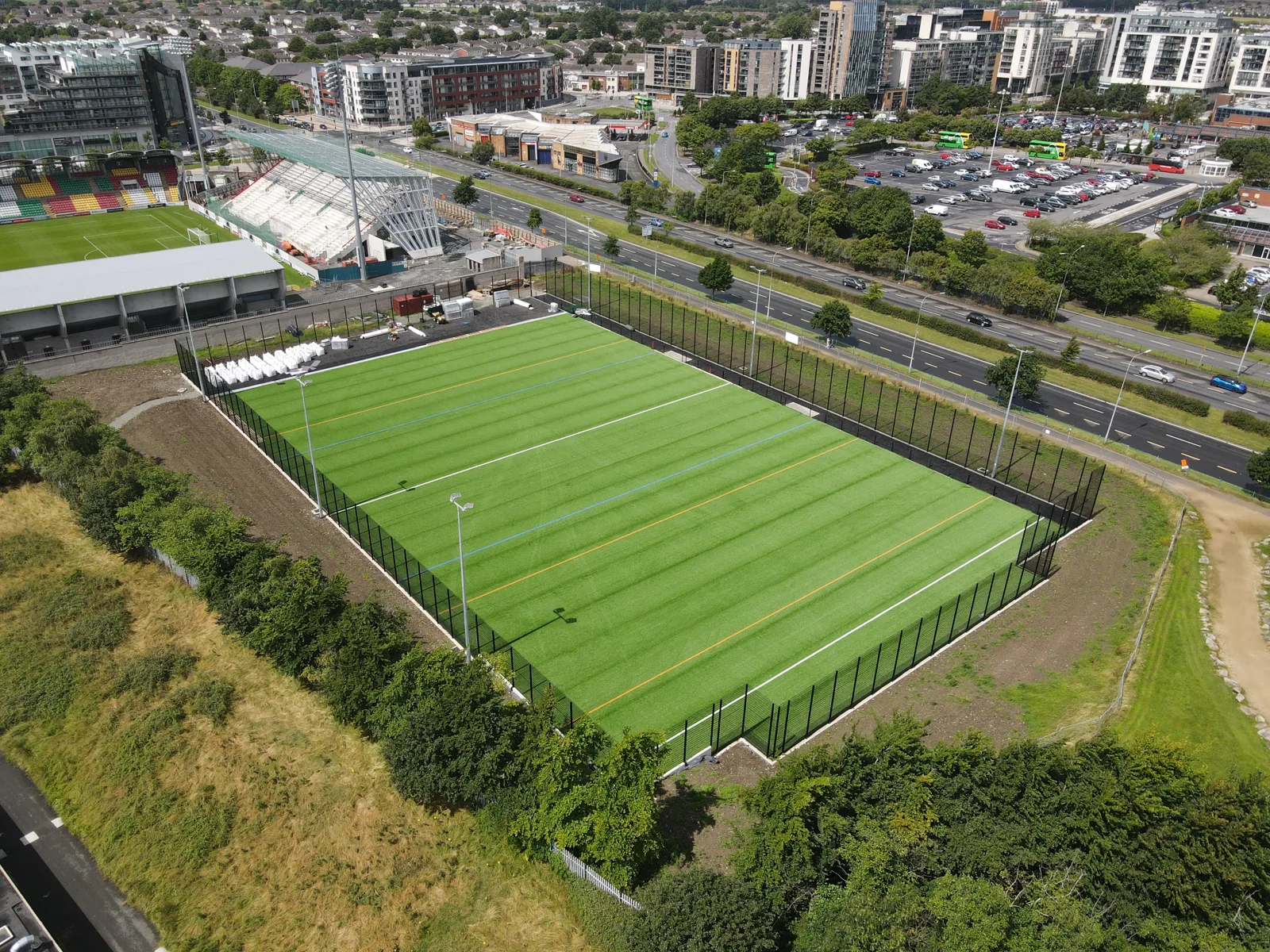
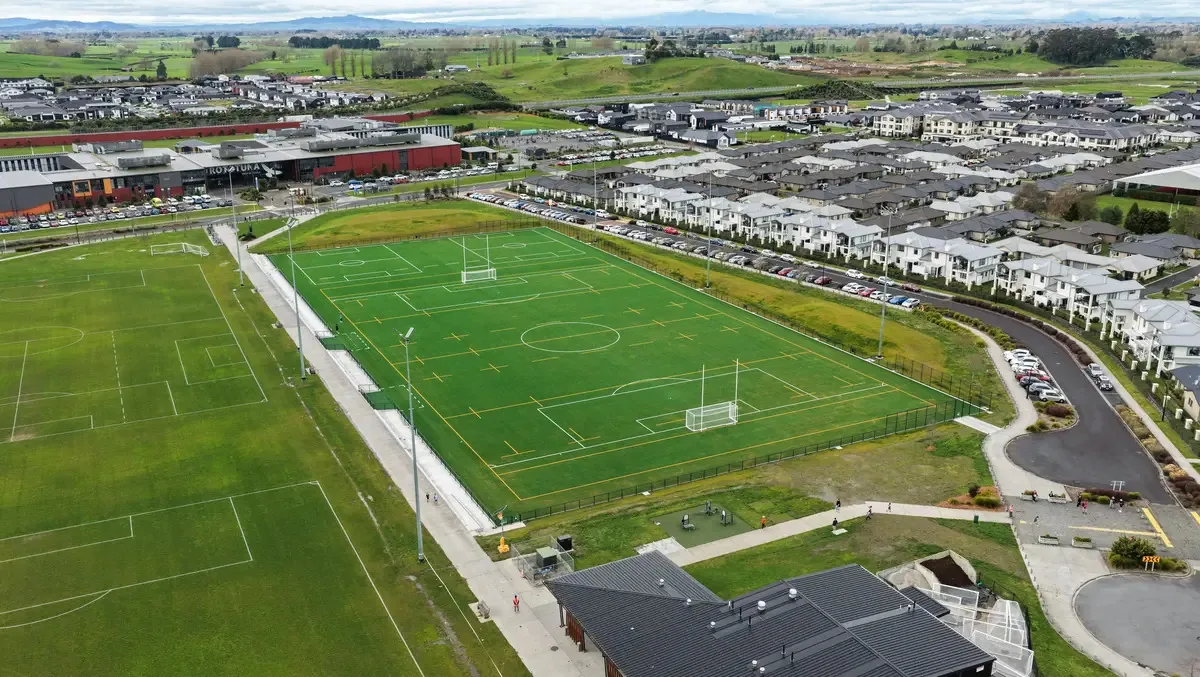
Real grass is softer, cooler and the surface most players prefer, but it wears out, closes in frost and heavy rain, and limits how many games a pitch can take. Artificial grass (3G) plays close to firm grass, can be used for many more hours a week in almost any weather and is ideal for floodlit evening football. It costs far more to build, gets hot in sun, can cause skin burns and needs replacing after roughly a decade. Grass is usually cheaper to hire.
Side-by-side comparison
| Natural grass | Artificial grass (3G) | |
|---|---|---|
| Feel | Soft, varies with weather | Consistent, firmer |
| Ball roll | Slows in long or wet grass | True, a little faster |
| Use per week | Limited, needs rest | Many more hours |
| Frost and rain | Often closed | Usually playable |
| Sliding | Comfortable when soft | Burn risk on bare skin |
| Hot weather | Stays cool | Surface gets very hot |
| Boots | FG or SG studs | AG boots or TF trainers |
| Hire price | Usually cheaper | Usually dearer |
| Lifespan | Indefinite with care | Carpet replaced after roughly a decade |
How each surface plays
A good grass pitch is the benchmark. The ball slows naturally, studs bite, and you can slide without thinking. A bad grass pitch is another matter: bumpy, bare in the goalmouths, and a lottery for first touches by March.
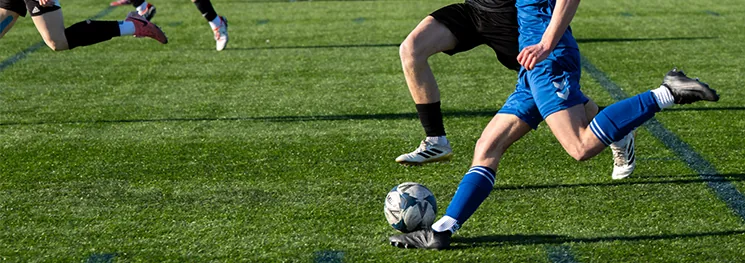
A good 3G pitch is designed to copy firm grass, and is tested to do so. The ball rolls truer than on most park pitches and bounces in a similar way. It plays the same in October and April, which suits passing teams. The difference most players notice is grip. Boots hold the surface more firmly, which some players feel in their knees and ankles, especially in FG boots.
Older sand-based astro is a different story: much faster and harder than either. See what is astroturf for that surface.
Weather and availability
This is where artificial grass wins clearly. Grass pitches close when they are frozen or waterlogged, and many councils rest pitches through the worst of winter. Every cancelled match then has to be squeezed in later in the season.
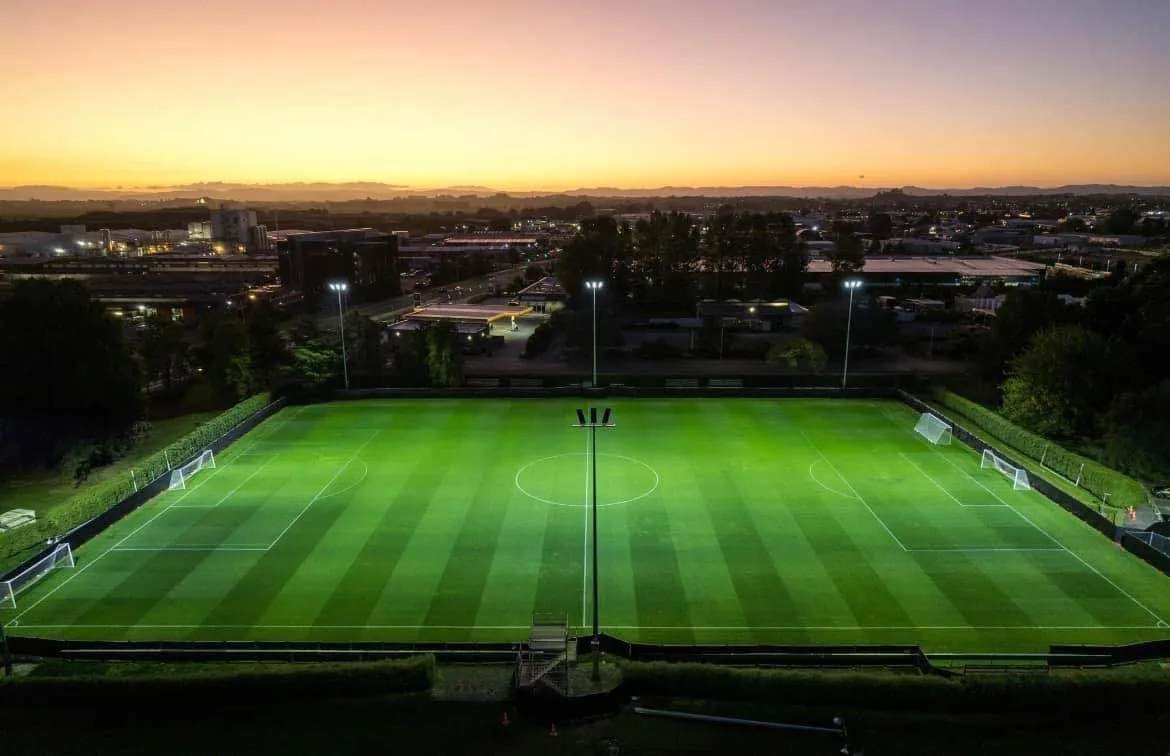
A 3G drains through its stone base, so it is usually playable within minutes of heavy rain. It only closes in hard frost or snow. It also takes far more use: a grass pitch needs rest between matches or it turns to mud, while a 3G can host games all day and all evening under floodlights. That is why governing bodies and funders in the UK have put so much money into 3G pitches for community football.
Our guides to frozen pitches and waterlogged pitches explain when grass games are called off.
Your body: burns, joints and heat
- Skin. Sliding on artificial grass can take skin off. Long socks, sliders or leggings help. See turf burn.
- Joints. Many players say they feel stiffer after games on 3G. The right boots make a difference. Our guide to 3G pitch injuries looks at what the research has found.
- Heat. In strong sun, artificial grass gets much hotter than natural grass, and the rubber infill holds heat. In Australian or Spanish summers, play early or late and drink plenty.
- Mud and germs. Grass gives softer landings, but muddy cuts need cleaning well. Artificial pitches leave rubber crumb in your kit rather than mud.
Hybrid grass is a middle way. Top stadiums use real grass reinforced with a small share of synthetic fibres. It plays like grass but holds together under heavy use. See hybrid pitches.
Cost to hire and to build
For players, grass is usually cheaper. In our UK listings, checked in 2026, council and school grass pitches for 9v9 cost about £21 to £38 a game. A 3G pitch for the same format typically costs £64 to £122 an hour, depending on the venue and the time of day.
For clubs and councils the sums are different. A full-size 3G costs hundreds of thousands of pounds to build and needs its carpet replaced after roughly a decade, so owners set aside money every year for that. A grass pitch is far cheaper to build but needs mowing, marking, feeding and repair, and earns less because it can host fewer games. Our guide to 3G pitch cost has the details.
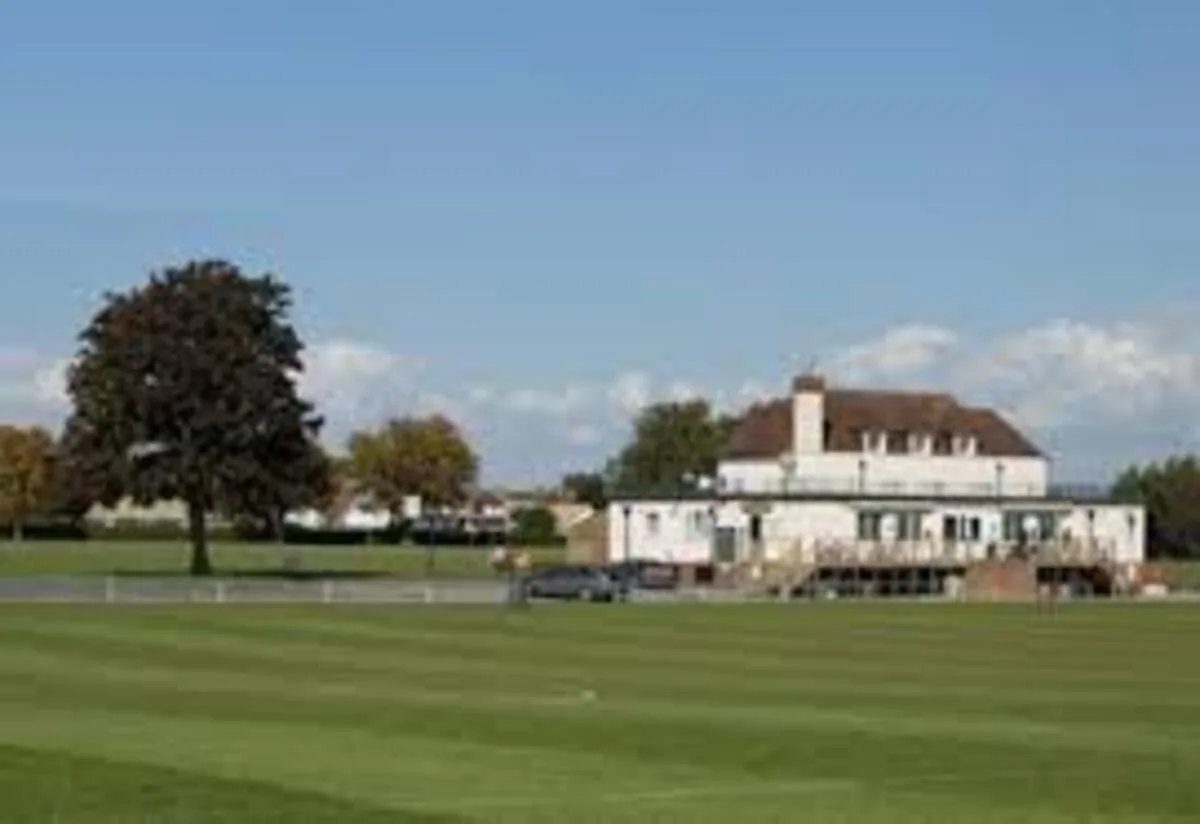
Environmental questions
Neither surface is free of impact. Grass pitches use mowers, fertiliser and, in dry climates, a lot of water. Artificial pitches are made of plastic, and their rubber crumb infill is a source of microplastics that can wash or be carried off the pitch. The European Union has restricted rubber infill, which can no longer be sold for sports pitches there from October 2031. Old carpets also have to be recycled or disposed of at the end of their life.
Questions about the chemicals in crumb rubber are covered in is rubber crumb safe.
Which to choose
- Weekly 5-a-side or 7-a-side in winter: 3G. You will play every week.
- 11-a-side league matches, early or late season: grass, if your league allows the choice. It is cheaper and kinder on the body.
- Hot climates: grass, or 3G early in the morning and in the evening.
- Pre-season training: mix both, so players get used to each.
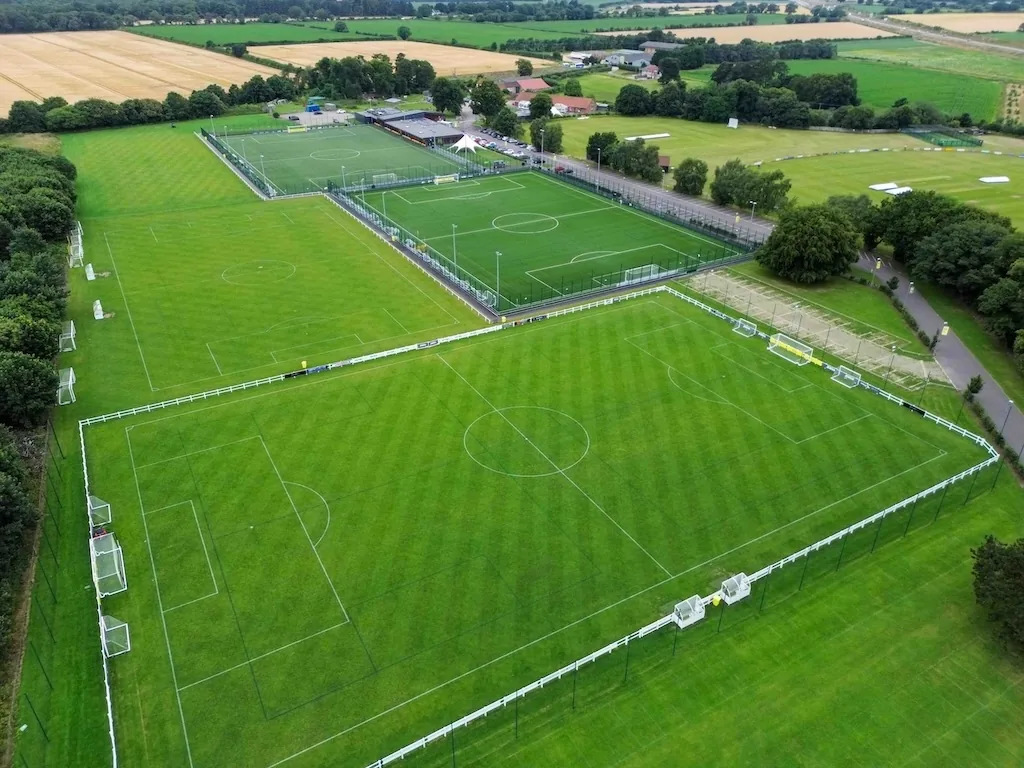
The Nest
Norwich · Grass and 3G pitches
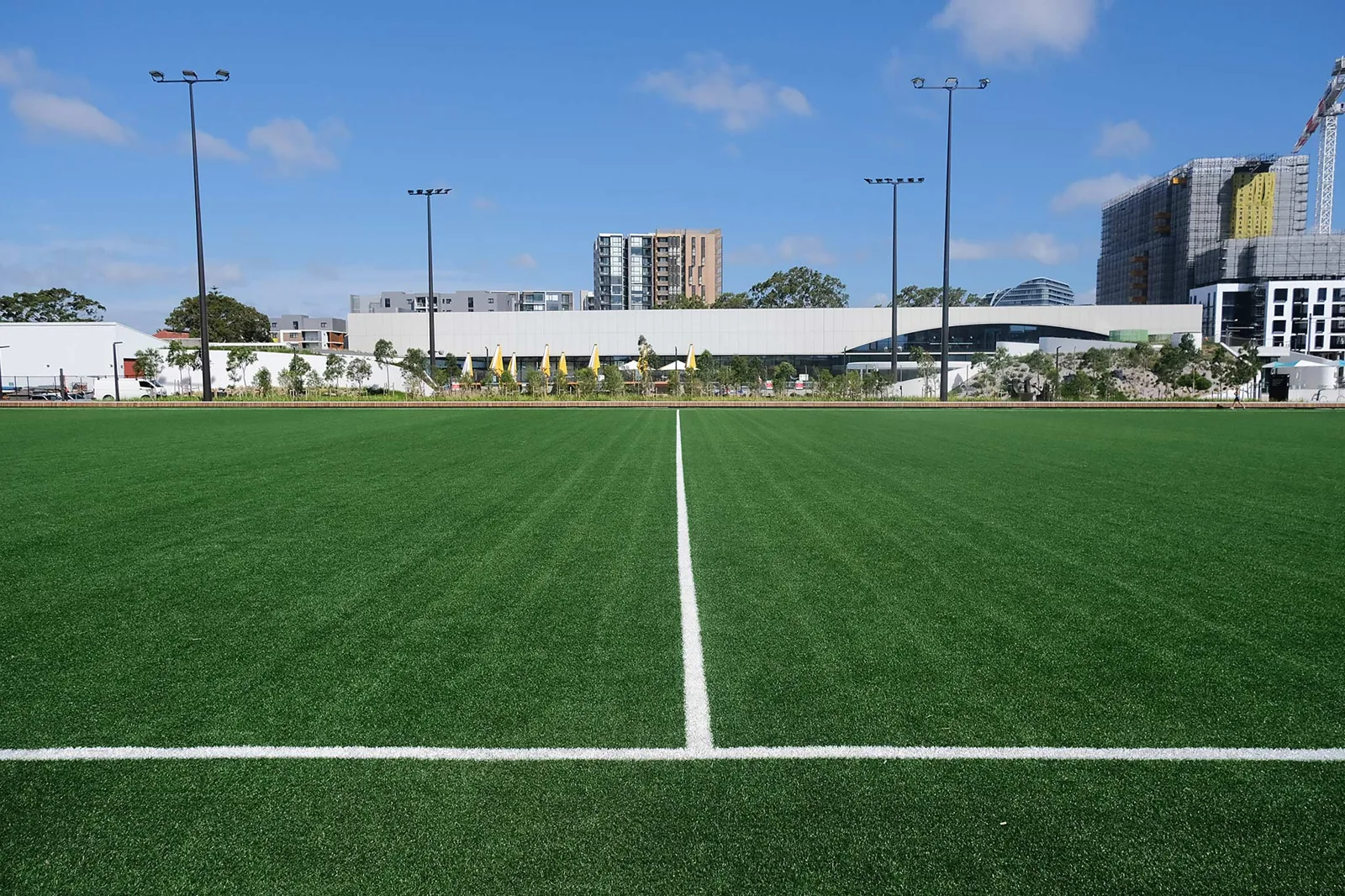
Gunyama Park Synthetic Sportsfield
Sydney · Long-pile synthetic
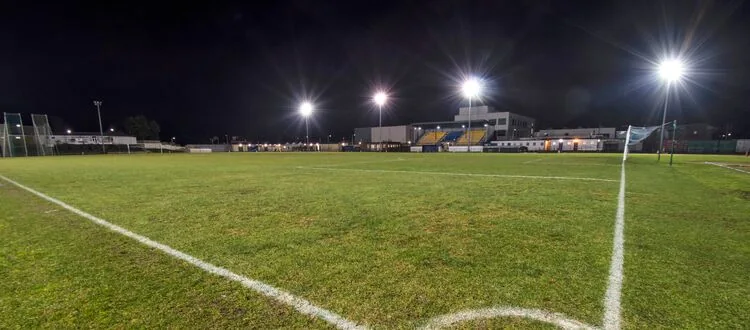
Croydon Sports Arena
London · Floodlit grass
Cities with the most grass pitches in our directory:
FAQ
Is artificial grass harder on your knees?
Many players say they feel more stiffness after playing on 3G, partly because boots grip the surface more firmly. Wearing AG boots or turf shoes rather than long studs helps.
Why do so many new pitches use artificial grass?
A 3G pitch can be used for many more hours a week in almost any weather, so one artificial pitch can host far more games than a grass pitch.
Is it cheaper to hire grass or 3G?
Grass is usually cheaper. In our UK listings, grass 9v9 pitches cost around £21 to £38 a game, while 3G pitches for 9v9 often cost £64 to £122 an hour.
Do professional teams play on artificial grass?
Top clubs in England play on grass or hybrid grass. Artificial pitches are common in non-league football, on training grounds and in some leagues abroad.