How long does a 3G pitch last?
 By the Find My Football Pitch team·
Updated ·
5 min read
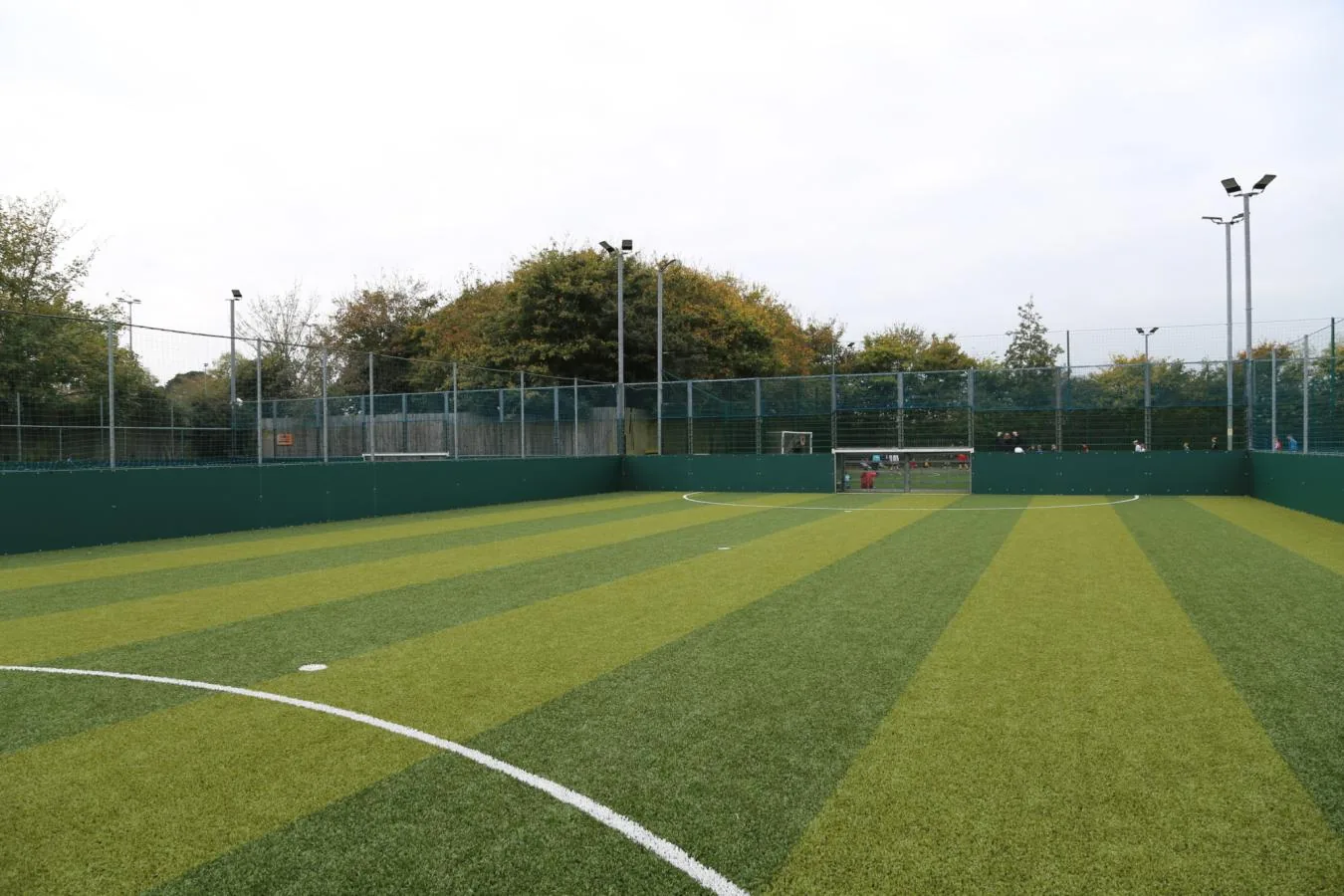
A 3G pitch can be booked from morning to late evening, seven days a week, which is the whole point of building one. All that use wears it out. Here is how long the surface lasts, what decides it, and how to tell when a pitch is near the end.
The short answer
A well-maintained 3G carpet usually lasts about 10 to 12 years. The Football Foundation, which funds many UK community pitches, plans for replacement after a minimum of 10 years. Heavily booked or poorly maintained pitches can need a new carpet sooner. The parts underneath last longer: a good shock pad should see out at least two carpets, and the stone base and drainage can last for decades if they are built well.
How long each part lasts
A 3G pitch is a stack of layers, and they wear at different speeds. Our guide to how artificial pitches are built shows each one.
| Part | Typical life | Notes |
|---|---|---|
| Carpet and infill | About 10 to 12 years | Assumes regular maintenance and a footwear policy |
| Shock pad | At least two carpets | Checked when the carpet is lifted |
| Engineered base and drainage | Several carpets | Only rebuilt if it has settled or the drains have failed |
| Fencing and floodlights | Longer than the carpet | Lamps are often swapped for LEDs at a resurface |
The carpet is the part that decides when a pitch needs money spent on it, which is why "how long does a 3G pitch last" really means "how long does the carpet last".
What wears a pitch out
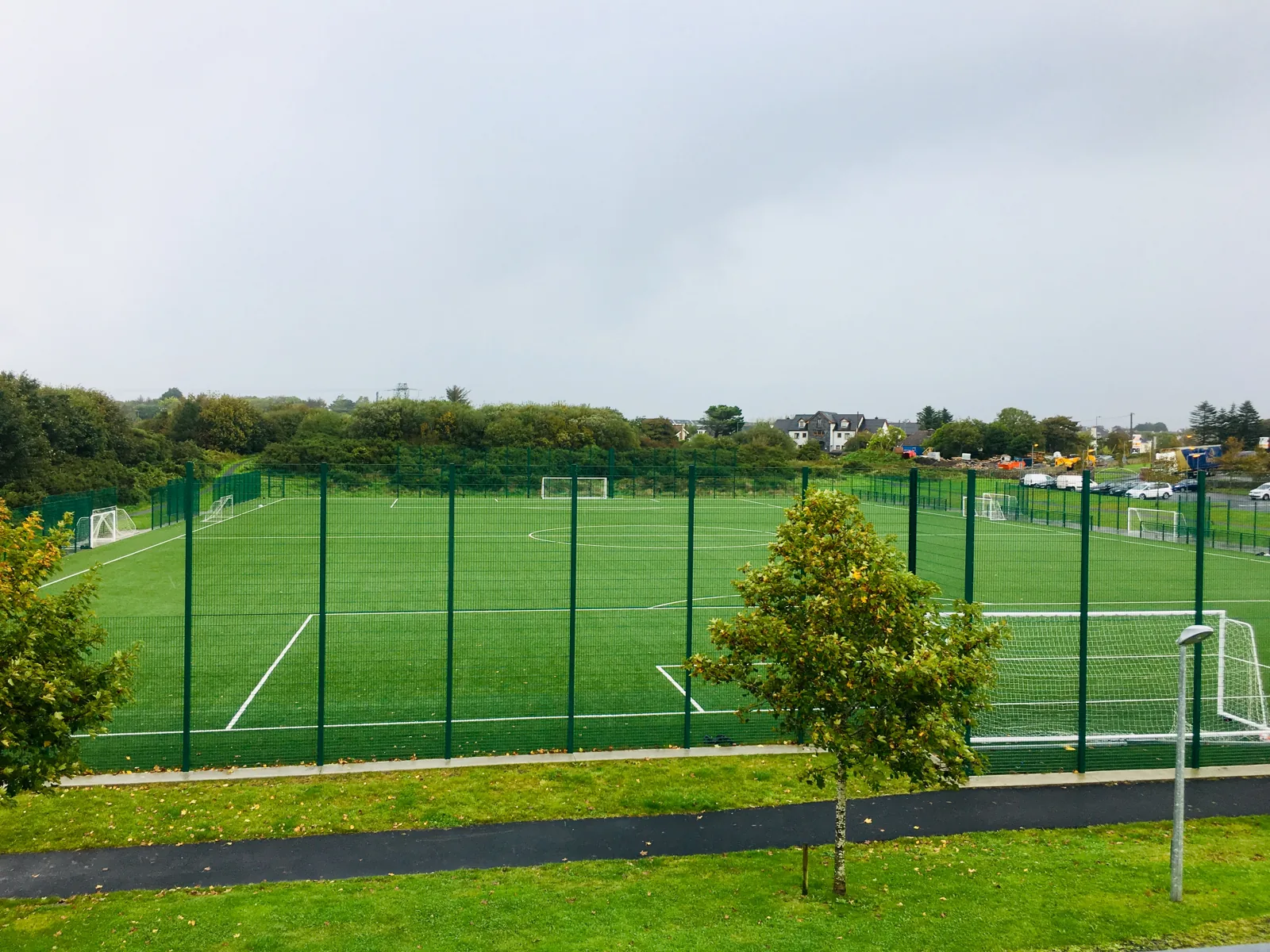
- Hours of use. A school pitch used for PE and a few evening lets wears far more slowly than a commercial 5-a-side centre booked solid every night.
- Where people play. Goalmouths, penalty spots and the centre circle take the most wear. On a pitch split into thirds, the small-sided goal areas wear fastest.
- Maintenance. Without brushing, the infill compacts and migrates, fibres lie flat and the surface hardens.
- Footwear. Metal studs and long blades cut and tear fibres. That is why most pitches ban metal studs and some ban blades. See metal studs on astro.
- Sunlight. UV breaks down the plastic over time. Fibres become brittle, especially in sunny climates.
- Contamination. Leaves, chewing gum, food, drinks and soil from muddy boots clog the infill and stop drainage.
Signs a pitch is worn
You do not need test equipment to spot a tired pitch. Look for:
- Bald or flattened patches in the goalmouths, with the backing showing through.
- Loose or lifting seams and lines.
- Infill piled up along the edges and thin in the middle.
- A hard, fast surface where the ball bounces high and skids.
- Puddles that stay long after rain, a sign that the infill is clogged.
- More grazes than usual, because worn fibres give less protection.
In England, pitches on the FA's register of football turf pitches are retested every three years. A pitch that keeps failing on bounce, roll or shock absorption is near the end of its carpet life.
What replacing a carpet involves
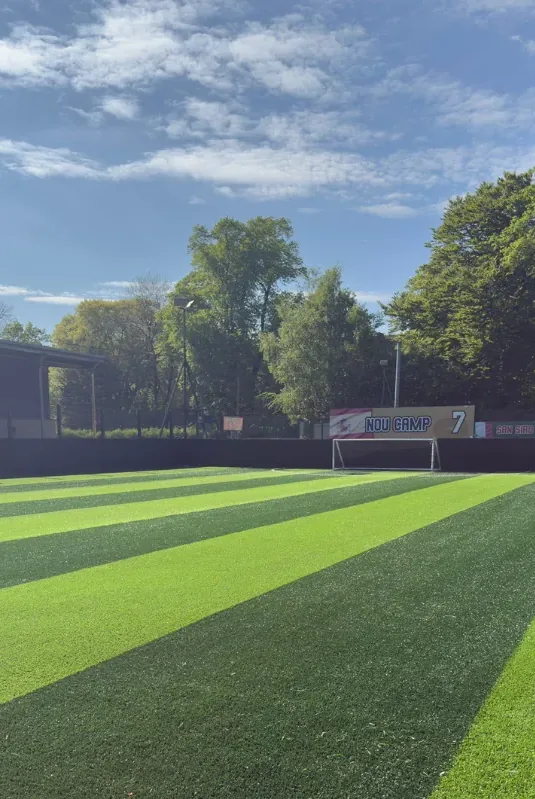
Replacing a carpet is quicker and cheaper than building from scratch. The old carpet and infill are lifted, usually with machines that separate the rubber and sand for reuse or recycling. The shock pad and base are inspected and repaired where needed. A new carpet goes down, the lines go in and fresh infill is brushed in. For a full-size pitch the work typically takes several weeks, often timed for summer.
The Football Foundation's current replacement estimates are about £70,000 for a 5v5 pitch and £212,000 to £250,000 for a full-size 11v11 pitch. Pitches it funds have to pay into a replacement fund every year, around £25,000 for a 106 m by 70 m pitch, so the money is there when the carpet wears out. Our guide to 3G pitch costs has the full table.
Why your booking price has a buffer. The sinking fund is one reason pitch hire costs what it does. A 3G pitch that charges too little for ten years can end up with a worn carpet and no money to replace it.
What makes a pitch last longer
Owners get the most years out of a carpet by:
- Brushing it regularly, often weekly on busy pitches, to lift fibres and spread infill evenly.
- Topping up rubber in the goalmouths and along the edges.
- Booking a specialist for deeper work, such as decompacting and cleaning the infill, at least once a year.
- Moving small-sided goals around so the same patches do not take all the wear.
- Enforcing the footwear policy and banning food, drink other than water, and gum.
- Clearing leaves and litter before they rot into the infill.
As a player you help by wearing the right boots, knocking mud off before you walk on, and taking rubbish with you. See how football pitches are looked after for the full routine on grass and 3G.
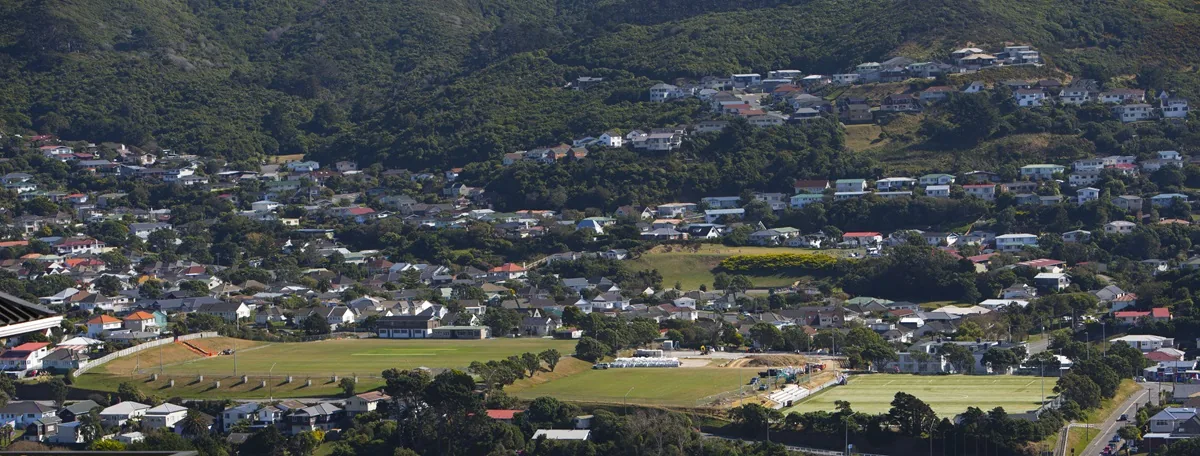
Alex Moore Park artificial turf
Wellington · Resurfaced 2024
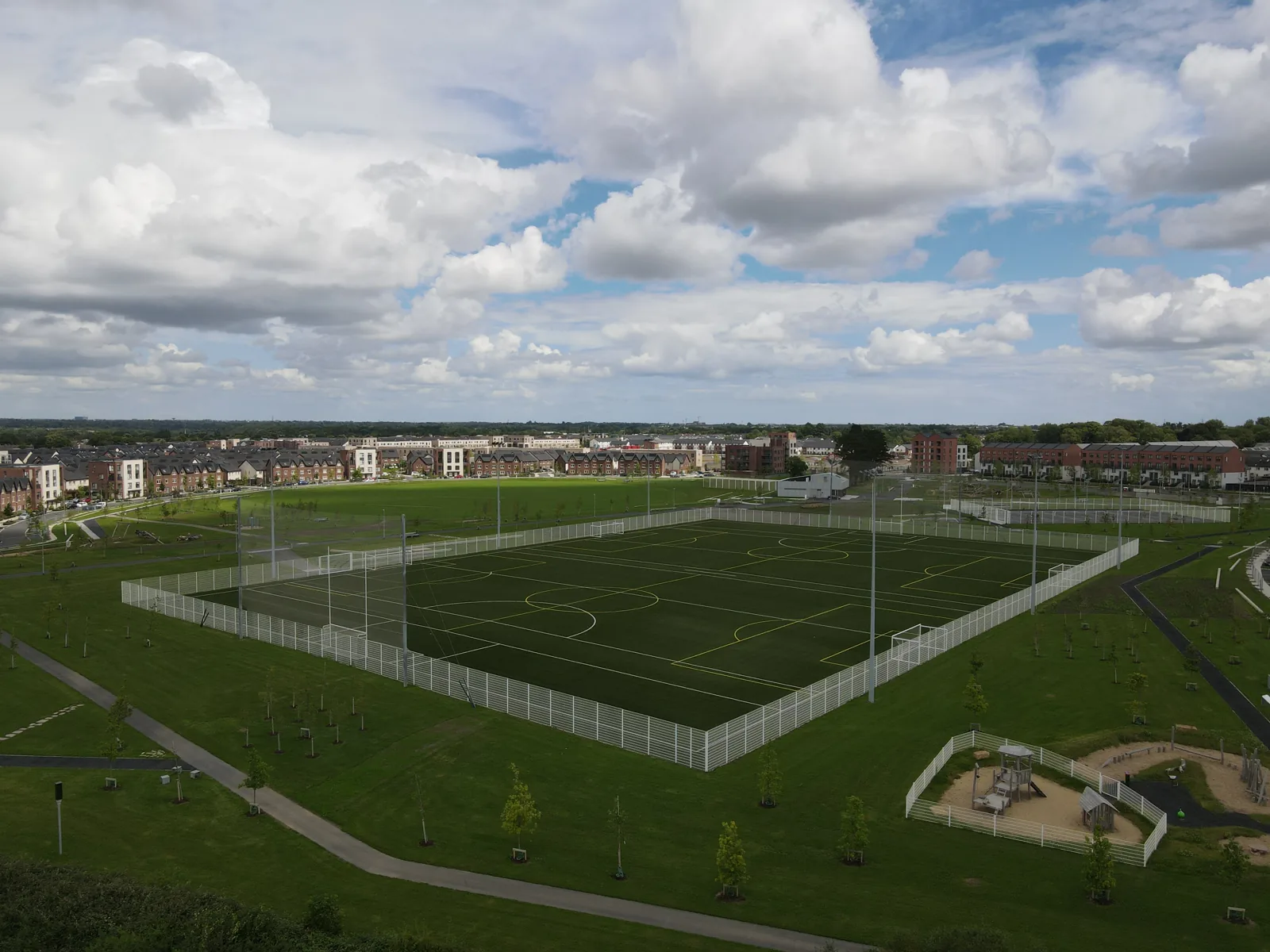
Airlie Park 3G Pitches
Dublin · Fenced 3G pitches
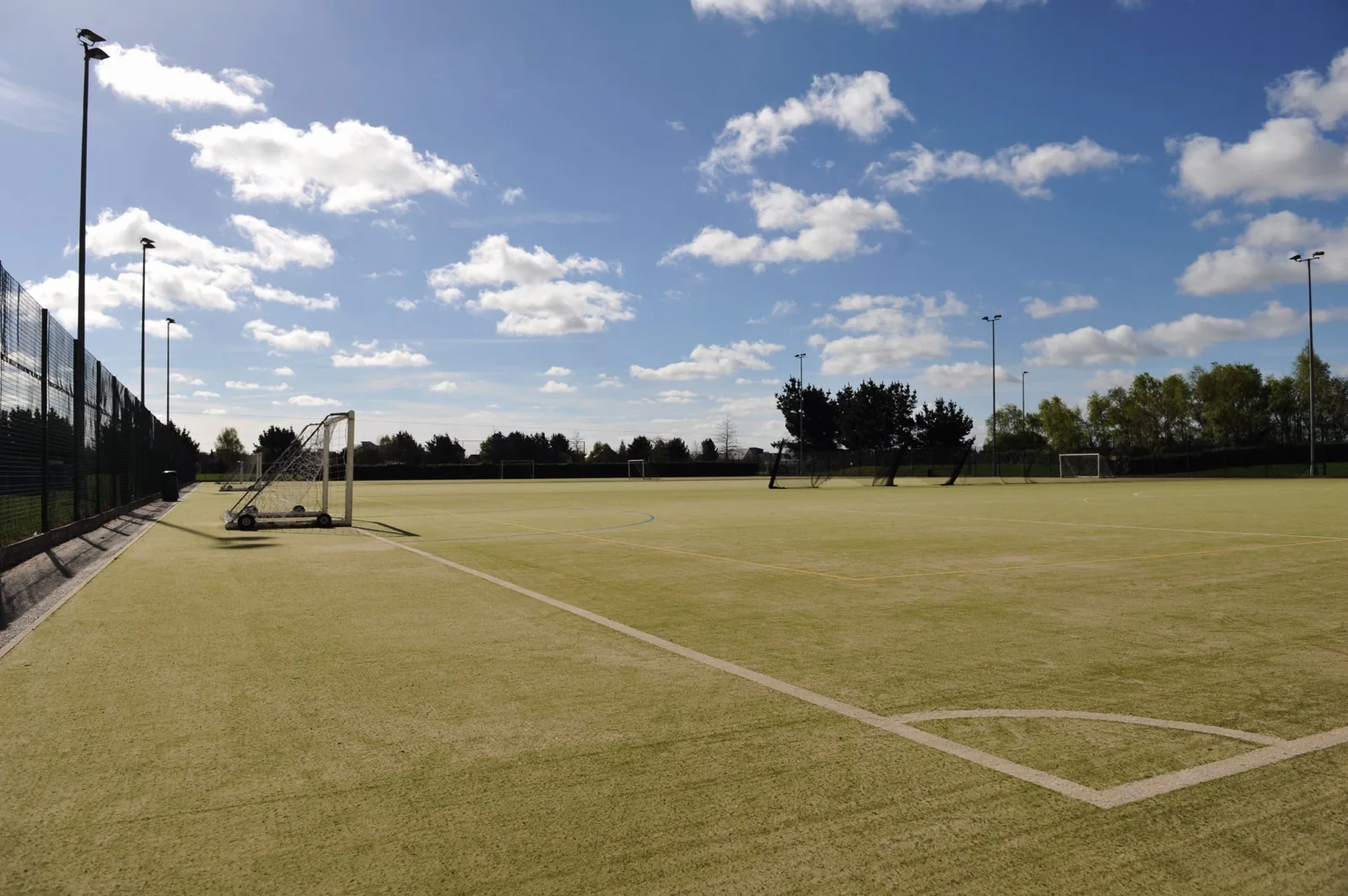
Gainsborough Sports Centre
Ipswich · Sand-based 2G
FAQ
How long does a 3G pitch last?
A well-maintained 3G carpet usually lasts 10 to 12 years. The base and shock pad underneath last longer and are often reused.
How often does a 3G pitch need resurfacing?
Roughly every 10 years for most community pitches. Heavily used or poorly maintained pitches may need it sooner.
Do 4G pitches last longer than 3G?
4G is a marketing name for a 3G-type carpet, so expect a similar life. Maintenance and hours of use matter far more than the label.
Can a worn 3G pitch be repaired?
Small areas can be patched and seams reglued. Once wear is widespread, the whole carpet is replaced.