Why pitches are watered before kick-off
 By the Find My Football Pitch team·
Updated ·
4 min read
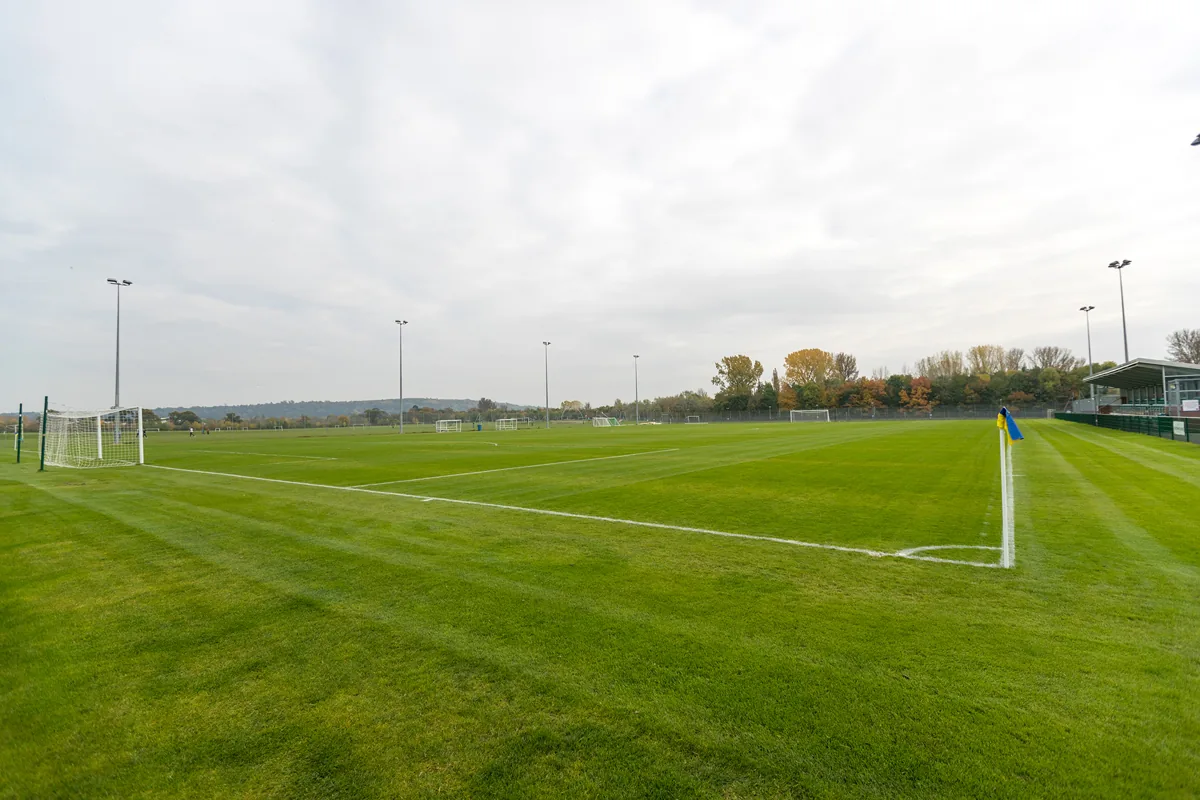
Get to a professional match early and you will often see the sprinklers come on, even on a cloudy day after rain. The grass does not need a drink. The point is to change how the ball and the players move on it.
The short answer
Pitches are watered before kick-off to make the ball move faster and more predictably. A thin film of water on short grass cuts friction, so passes zip along the ground and skid rather than bounce. It also softens the surface a little, which helps players turn and slide. Teams that pass on the ground often ask for a wet pitch. Competition rules control it: UEFA requires watering in the last part of the build-up to cover the whole pitch evenly, limits it to set windows before kick-off and at half-time, and lets the referee change the schedule.
What water does to the ball
On a dry, firm pitch the ball grips the grass. It slows quickly, bounces a little on uneven spots and can sit up awkwardly for a first touch. Spray a light layer of water on the same grass and three things change:
- Speed. Less friction means the ball keeps its pace. A firm pass across the pitch arrives sharper.
- Skid. The ball slides off the wet surface on landing instead of checking up, so it stays low.
- Consistency. Damp grass behaves the same across the pitch, so players can judge the ball better.
The effect is strongest on short grass. For UEFA matches, grass may not be longer than 30 mm, cut to the same height across the pitch. Longer grass on a park pitch holds the ball back whether it is wet or dry. See what grass is used on football pitches for cutting heights.
What it does for players
- Softer footing. Water softens the top of a dry pitch, so studs go in and come out cleanly and landings are less jarring.
- Sliding. Slide tackles and goalkeeper dives travel further and leave fewer grass burns on wet grass.
- Heat. In hot weather, a watered surface is cooler.
There is a balance. Too much water leaves puddles, makes the ball hold up in them and turns a firm pitch slippery. Groundstaff aim for a wet surface, not a soaked one, and a pitch that has had a lot of rain needs no extra.
Rules on watering
Because watering changes how a game plays, top competitions regulate it so both teams get the same conditions. UEFA writes the rules into the regulations of each competition, and the details change between competitions and seasons. The 2026/27 Nations League regulations, for example, say:
- Any watering from 90 minutes before kick-off must cover the whole pitch evenly.
- Watering is allowed only before the warm-up, between the warm-up and kick-off, and at half-time, for no more than 7 minutes each time.
- The host must announce its watering plan at the organisational meeting, and later changes need the agreement of both sides and UEFA.
- The referee can change the watering schedule at any time.
Earlier UEFA rules, which UEFA itself has described, set a 60-minute cut-off before kick-off with short windows 10 to 5 minutes before the start and up to 5 minutes at half-time. Domestic leagues set their own versions. The point of the "evenly" rule is simple: a home side could otherwise water only the half it attacks, or leave the wings dry to slow down a fast opponent.
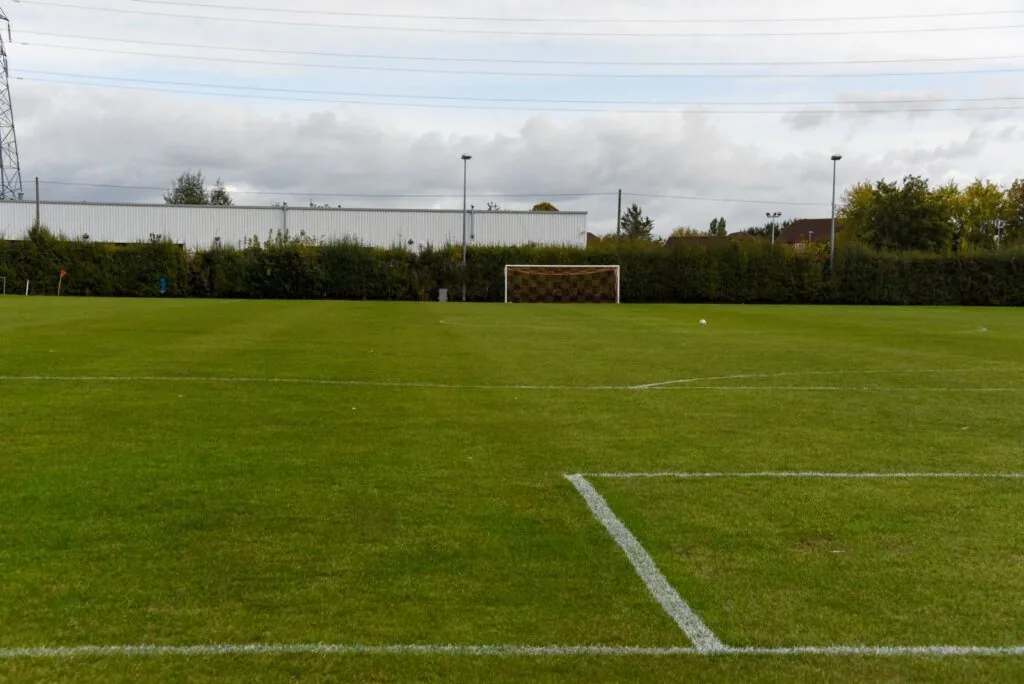
Watering as tactics
Coaches whose teams pass the ball short and fast tend to want a wet, quick pitch. It rewards precise passing and punishes a heavy touch. Teams that play more direct or press high sometimes prefer a drier, slower surface, which makes the opposition's passing harder.
That is why the rules stop a home club from using the sprinklers to gain an edge. If you see sprinklers at half-time, it is usually because the first half dried the pitch out on a warm day.
Hockey is different. Top-level hockey is played on water-based artificial pitches that are soaked before every game. That is a hockey surface, not a football one. Football 3G pitches are designed to play dry, though some operators wet them in very hot weather to cool the surface.
Watering at grassroots level
Most park and school pitches are never watered before a game. They have no irrigation system, and in the UK and Ireland the winter season brings enough rain anyway. The bigger problem on community pitches is usually too much water: see what happens with a waterlogged pitch.
Summer is different. Grass pitches used for summer leagues or training can dry out and go hard, and some clubs with a sprinkler water them in the evening to keep the grass alive rather than to speed up the ball. In hot parts of Australia, irrigation is part of normal pitch care. For the full routine, see how football pitches are looked after.
If you book a pitch through our directory, you get it as it is. On a hot day, a 3G pitch gets warm and a dry grass pitch plays bouncy and fast, so bring plenty of water for yourselves.
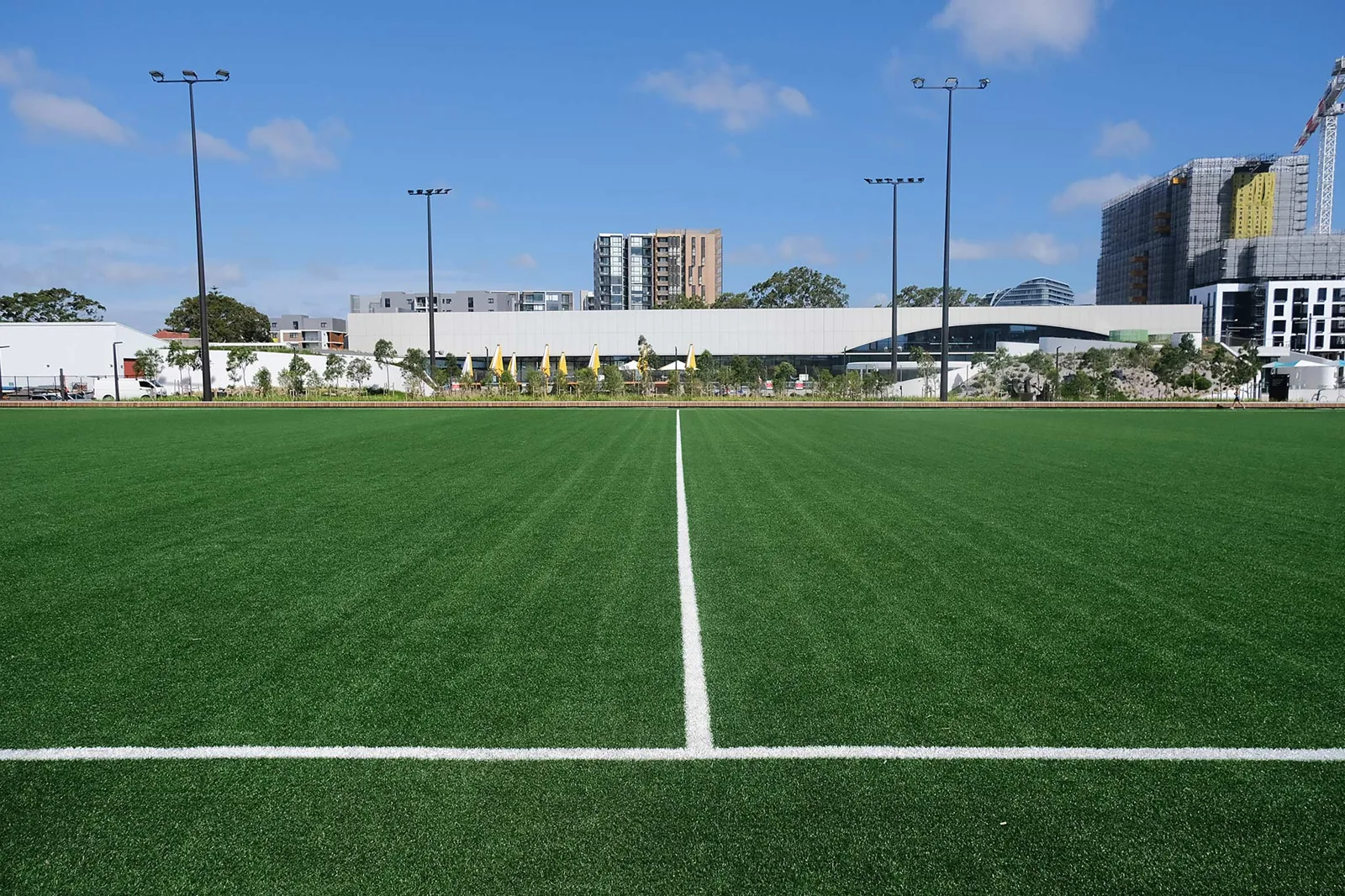
Gunyama Park Synthetic Sportsfield
Sydney · Long-pile synthetic
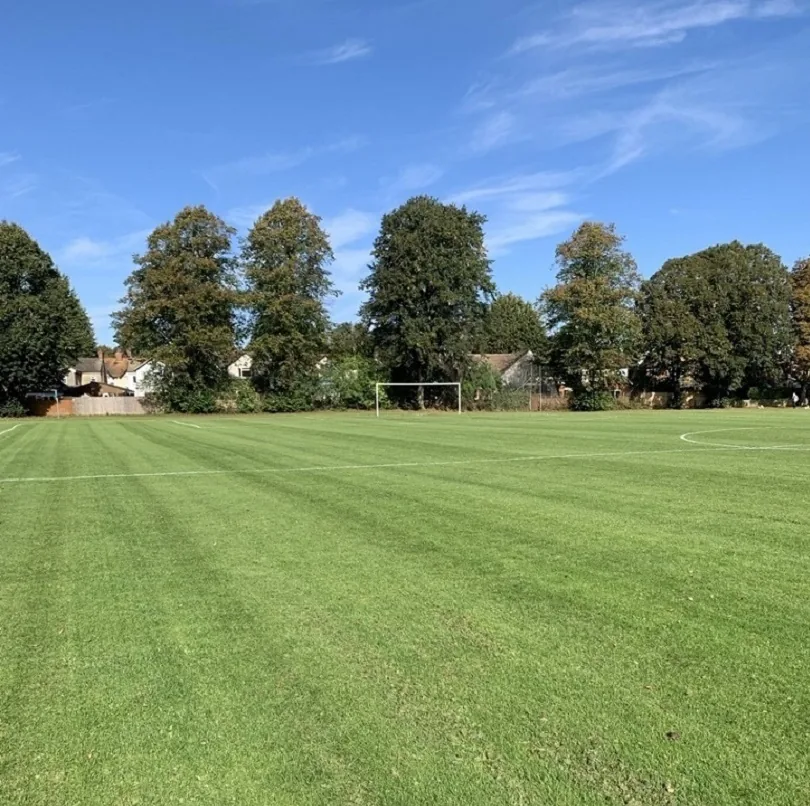
Horton View Sports Ground
Banbury · Grass 11-a-side
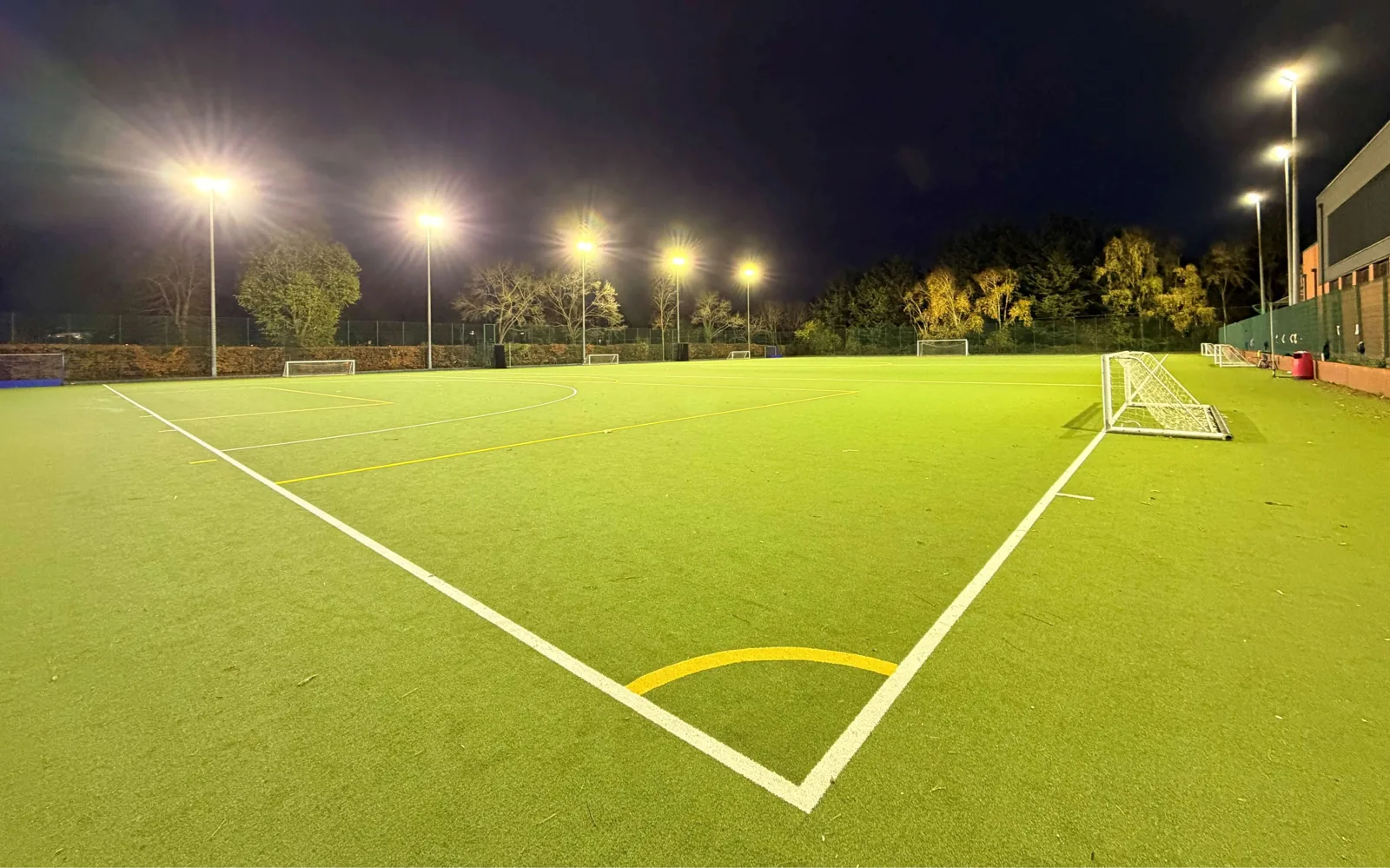
Shene Sports & Fitness Centre
London · Sand-dressed turf
FAQ
Why do they water the pitch at half-time?
To keep the surface quick and even if it has dried during the first half. UEFA competitions allow a short watering window at half-time, up to 7 minutes in the 2026/27 Nations League.
Does watering a pitch make the ball faster?
Yes. A thin layer of water on short grass reduces friction, so the ball keeps its speed and skids instead of bouncing.
Can a home team water only half the pitch?
Not under UEFA rules, which require the whole pitch to be watered evenly.
Are 3G pitches watered?
Usually not. They are designed to play dry, although some operators wet them on very hot days to cool the surface.