3G vs 4G pitches: is there a difference?
 By the Find My Football Pitch team·
Updated ·
4 min read
One venue advertises a 3G pitch, the one down the road a 4G, and a new place promises 5G. It sounds like a big upgrade. In practice the difference is mostly in the marketing, and the questions worth asking are about the pitch itself.
The short answer
There is no official 4G standard. FIFA, the FA and other governing bodies test and certify artificial football turf, but none of them defines a fourth generation. 4G is a sales name, usually for a newer 3G pitch with better fibres, a shock pad or a different infill. Some venues use 3G and 4G for the very same pitch. Judge a pitch by its age, its condition and whether it passes FA or FIFA testing, not by the number.
Where the names come from
The generations describe the main stages of artificial turf:
- 1G: short nylon carpet with no infill, from the 1960s.
- 2G: shorter fibres filled with sand, mainly for hockey. Still common at schools as astro.
- 3G: long fibres with sand and rubber infill, designed for football to play like grass.
Each of those was a real change in how the surface was built and how it played. Since 3G, products have improved step by step: better fibre shapes, tougher yarns, shock pads, new infills. None of those changes has been recognised as a new generation by the people who write the standards. Our guide to what a 3G pitch is covers how one is built.
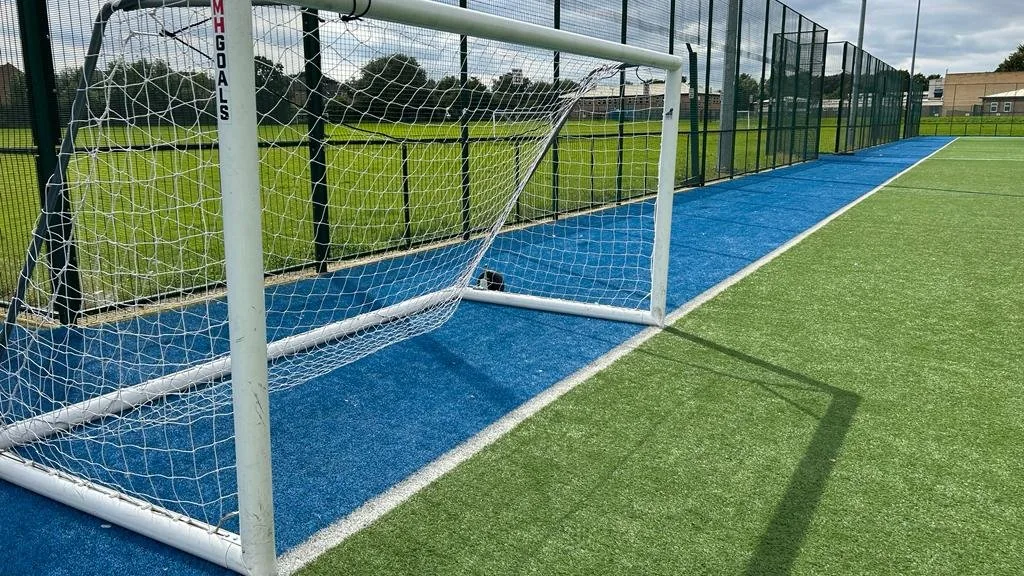
What venues mean by 4G
When a venue or a builder calls a pitch 4G, it usually means one of these:
- A newer 3G. The most common meaning. A recently laid 3G carpet with modern fibres, which feels softer and plays truer than a tired ten-year-old pitch.
- A shock pad. Some use 4G for a 3G system with a rubber or foam pad under the carpet, which gives more cushioning.
- Non-infill turf. Some products have dense, curly fibres that stand up without rubber crumb. Makers have used 4G for these, partly because rubber infill is being phased out in the EU.
- Nothing in particular. Sometimes 4G just sounds better than 3G on a booking page.
5G is the same idea one step further. It has no agreed meaning either.
Ask the venue directly. "When was the carpet laid, and is it on the FA register?" tells you far more than 3G or 4G. A good venue will know both answers.
Same pitch, two names
You can see how loose the names are in our own listings. Several venues describe the same pitch both ways:
- Astro Kings in Nottingham lists its pitches as 3G and as "4G rubber crumb".
- The Marley centre in Keighley lists a 3G pitch that is also called a 4G FieldTurf pitch.
- Buttershaw Business and Enterprise College in Bradford, and the Salthill Devon and Astrobay pitches in Galway, are all listed as 3G with 4G in brackets.
Most of these are rubber-crumb 3G systems. The 4G label is the venue's choice. In our directory we file them all under artificial grass pitches.
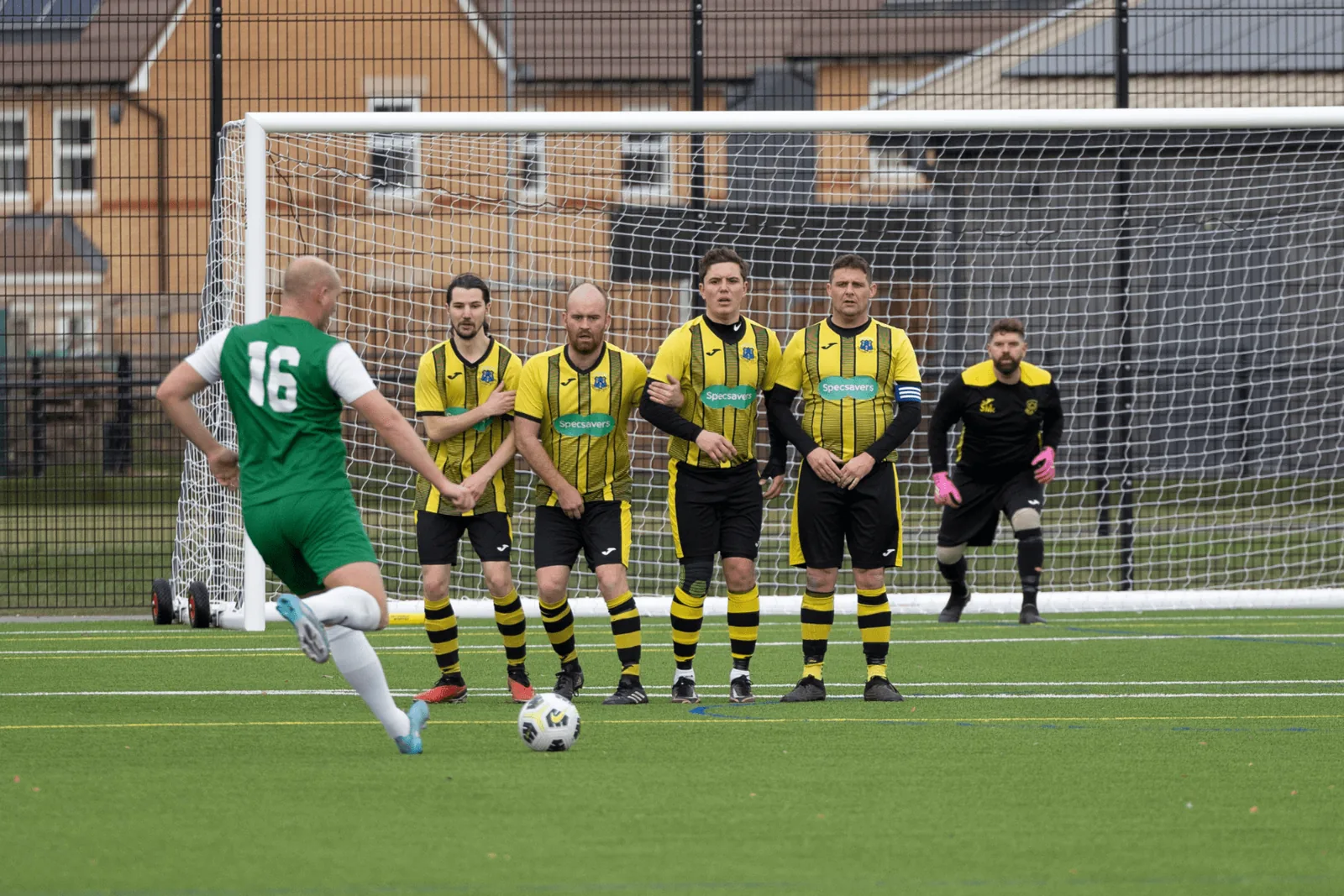
What actually makes a difference
If you are choosing between two pitches, these matter far more than the G number:
- Age of the carpet. A 3G carpet wears out over time. The fibres flatten and split, and the pitch gets harder and faster. A new 3G will beat an old 4G. See how long a 3G pitch lasts.
- Maintenance. Regular brushing and infill top-ups keep the fibres upright and the surface even. Look for clumps of rubber at the edges and bald patches in the goalmouths.
- Testing. In England, a pitch on the FA register of football turf pitches has passed performance tests for ball roll, bounce and shock absorption. FIFA Quality and FIFA Quality Pro are the international marks.
- Pile length. Longer fibres with more infill play closer to grass. Short-pile pitches play faster.
- Floodlights and fencing. Not about the turf, but they decide whether your evening game is any good.
Boots for 3G and 4G
Because 4G pitches are 3G pitches in all but name, the same boots work. AG (artificial ground) boots suit most players. TF (turf) trainers are fine for small-sided games. FG moulded boots are usually allowed but grip hard, and metal studs are banned almost everywhere. Our guide to AG, FG and TF boots explains the codes.
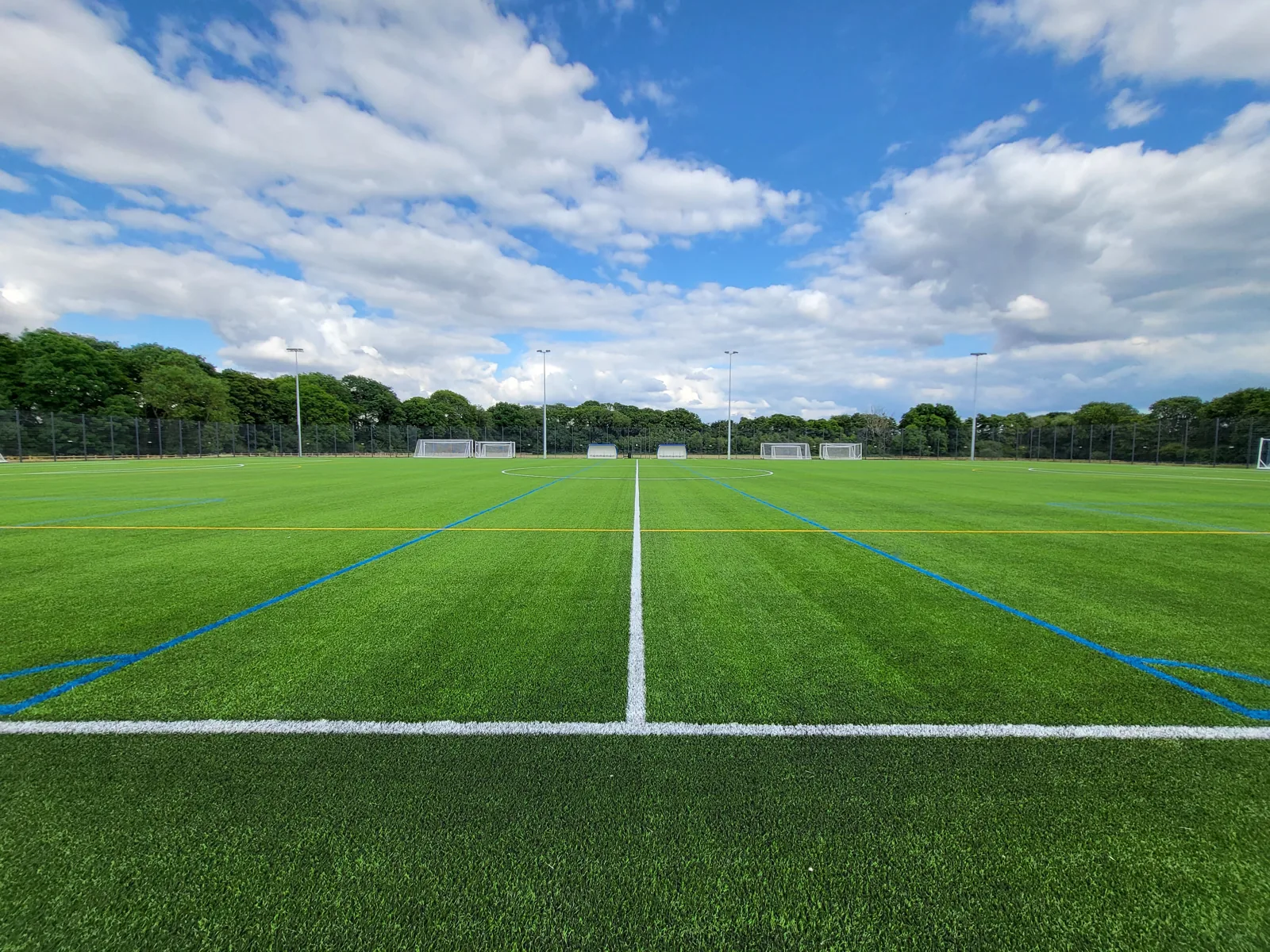
Wildern Leisure Centre
Southampton · Floodlit 4G
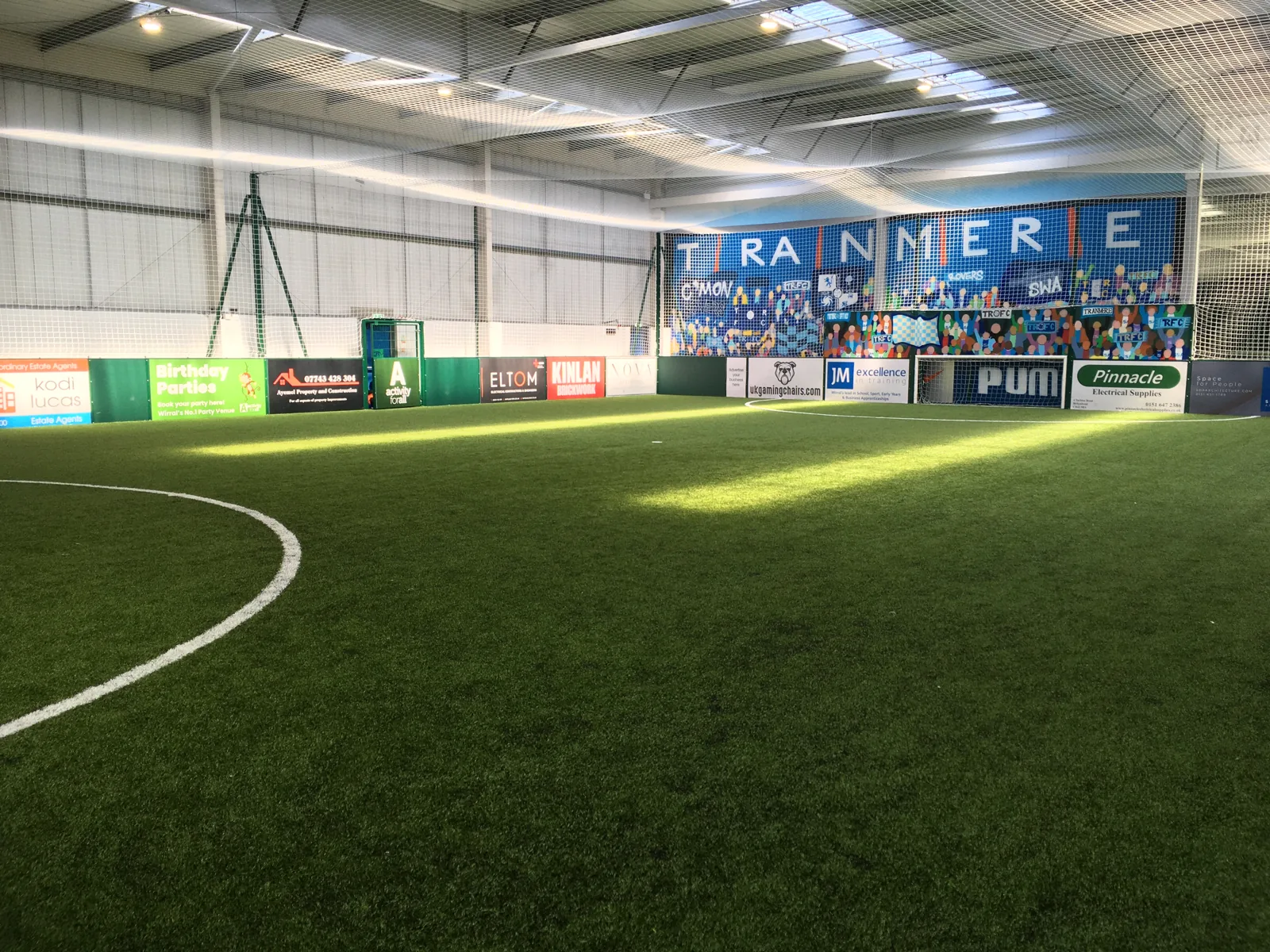
Activity for All Arrowe Park
Liverpool · Indoor 4G
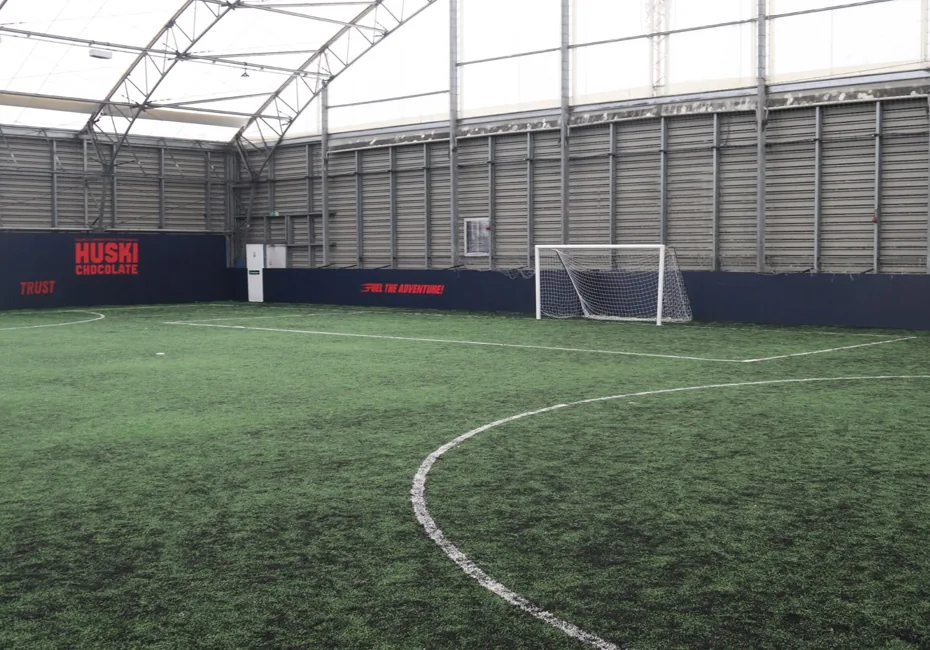
Lions Centre (Millwall Community Trust)
London · Indoor 4G
Cities with the most artificial grass pitches in our directory:
FAQ
Is 4G better than 3G?
Not necessarily. 4G has no official definition and is usually a name for a newer 3G pitch. A well-kept, recently laid 3G can be better than an older pitch sold as 4G.
Is there such a thing as a 5G pitch?
Some builders use the name, but like 4G it is a marketing term with no agreed standard.
Can I wear the same boots on 3G and 4G?
Yes. AG boots or TF trainers suit both, since they are the same type of surface.
How can I tell if a pitch is good quality?
Ask when the carpet was laid and whether it is on the FA register or has FIFA Quality certification, then look at the goalmouths for flat or bald patches.