Playing football in rain and cold
 By the Find My Football Pitch team·
Updated ·
5 min read

In the UK and Ireland, a winter football season without rain does not exist. Wet and cold games are fine with the right kit and a few changes to how you play. The exceptions are lightning, ice and a waterlogged pitch.
The short answer
You can play football in the rain. 3G and astro pitches drain fast and rarely close for rain alone, while grass pitches may be called off if they are waterlogged or frozen. Wear a thin long-sleeved base layer, a shirt you do not mind soaking, and boots with the right studs for the surface. Warm up longer in the cold, keep moving between games and change into dry clothes straight after. Stop playing at once if you hear thunder or see lightning. If the weather is too bad, book an indoor pitch or futsal court.
Can you play in the rain?
Yes. Rain on its own almost never stops a game on an artificial pitch. 3G and 4G pitches are built on a free-draining base, so water runs through the carpet instead of sitting on top. Bookings go ahead unless the venue closes for lightning, high wind, flooding or ice.
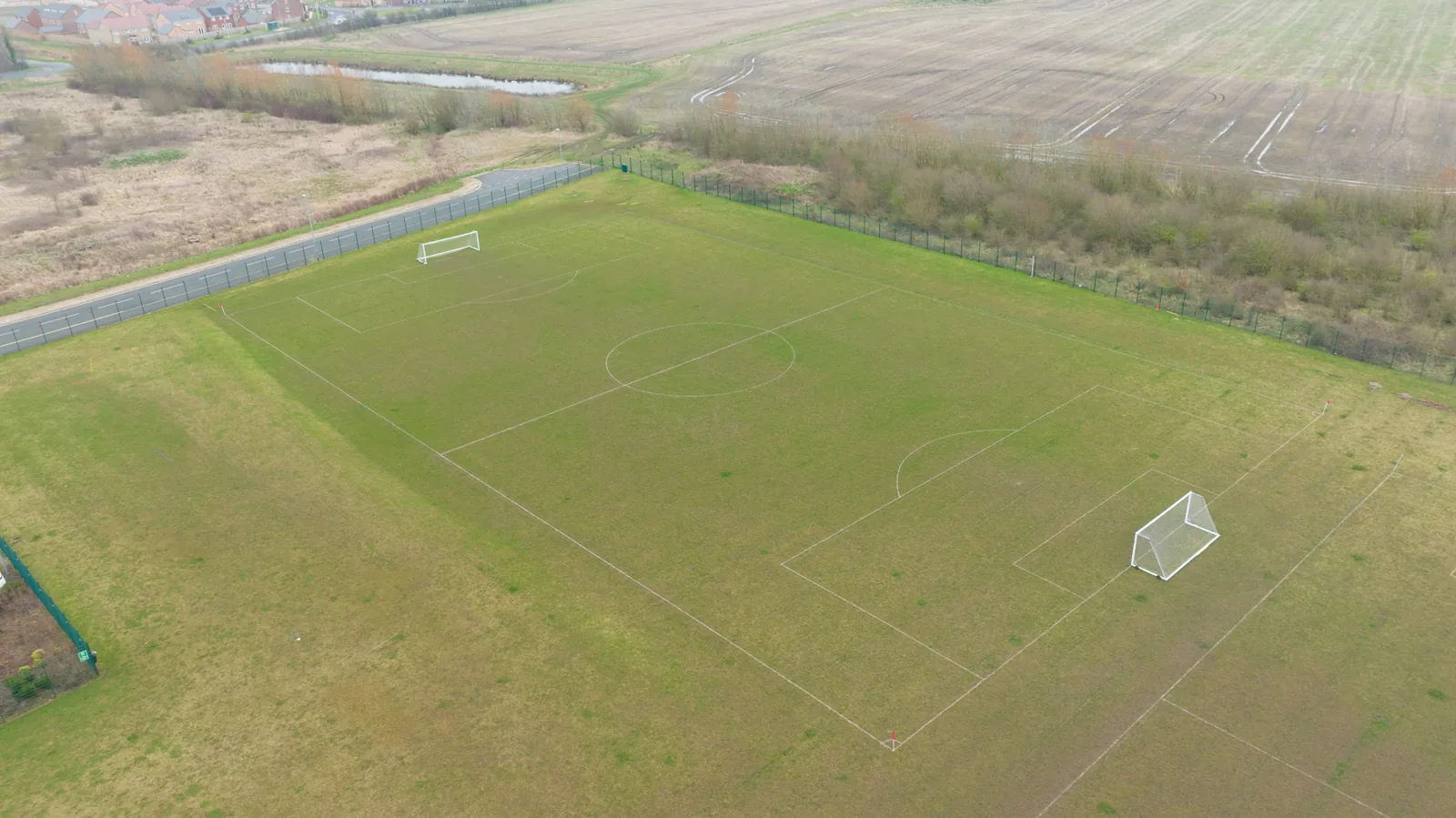
Grass is different. Heavy rain can leave standing water, and playing on a soaked grass pitch churns it into mud and damages it for weeks. Councils and leagues call off grass games when the pitch is waterlogged or frozen. Our guides to waterlogged pitches and frozen pitches explain how those calls are made.
If your venue cancels, most refund or rebook. Check its terms when you book.
What to wear
- Base layer. A thin long-sleeved top and leggings under your kit keep you warmer even when wet. Choose synthetic fabric, not cotton, which holds water and stays cold.
- Shirt and shorts. Lightweight polyester dries faster and gets less heavy than a cotton T-shirt.
- Boots. On wet grass, firm ground boots grip better than trainers, and soft ground boots with longer studs suit muddy pitches if your league allows them. On 3G, stick to AG boots. Long metal studs on 3G grip too much and are banned at many venues. See AG, FG and TF boots.
- Gloves and a hat. Thin running gloves are fine for outfield players. A hat helps before kick-off and between games.
- Goalkeepers: wet-weather gloves grip better in the rain. Wet the palms of most latex gloves before the game, as the makers recommend.
- A dry set. Bring a towel, dry clothes, socks and a bag for the wet kit. Change straight after the game.
How rain changes the game
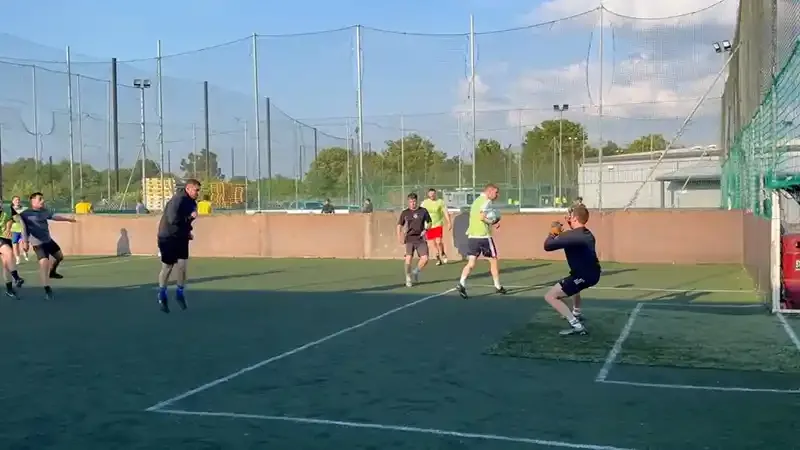
- The ball skids. On wet 3G and astro the ball travels faster and stays low. Passes need less weight. Goalkeepers should get their body behind shots rather than trying to catch everything cleanly.
- On grass the ball holds up. Puddles and mud stop the ball dead. Lift passes over standing water, and expect bounces to sit up.
- Footing changes. Wet grass is slippery for anyone in trainers or worn boots. Take smaller steps when you turn, and do not slide tackle on 3G.
- The ball gets heavier. Modern balls absorb very little water, but an old or cheap ball can get heavy. Bring a decent one.
Playing in the cold
Cold weather matters more than rain for injuries, because cold muscles are easier to strain. A few habits help:
- Keep your jacket on until the last minute, and add two or three minutes to your usual warm-up.
- Keep moving. If you come off as a rolling substitute, jog on the spot rather than standing still.
- Drink water. You sweat in the cold too, even if you do not notice it.
- Change out of wet kit as soon as you finish. Standing around in a soaked shirt in the wind chills you fast.
Frost changes things on grass: a hard, frozen pitch is hard to land on and is usually called off. Many 3G pitches can be played on in light frost but close when the surface is icy. Check with the venue on cold mornings.
Lightning. If you hear thunder or see lightning, get off the pitch at once and go indoors or into a car. Do not shelter under trees, dugouts or floodlight towers. Wait until the storm has clearly passed before going back out.
When to stop
- Thunder or lightning nearby.
- Standing water across a grass pitch, or the ball no longer rolling.
- Ice on the surface, or a frozen grass pitch.
- Wind strong enough to blow goals over or make floodlights unsafe. Small 5-a-side goals should be weighted or pegged.
- A player who is shivering hard, confused or unable to warm up. Get them indoors and into dry clothes.
Indoor options
If the forecast is grim, book indoors. Indoor 3G domes and halls, futsal courts and netted indoor soccer courts run in all weather. Australia and New Zealand have a big indoor soccer scene; in the UK, indoor domes and sports halls are spreading. Our guide to indoor football pitches explains the types.
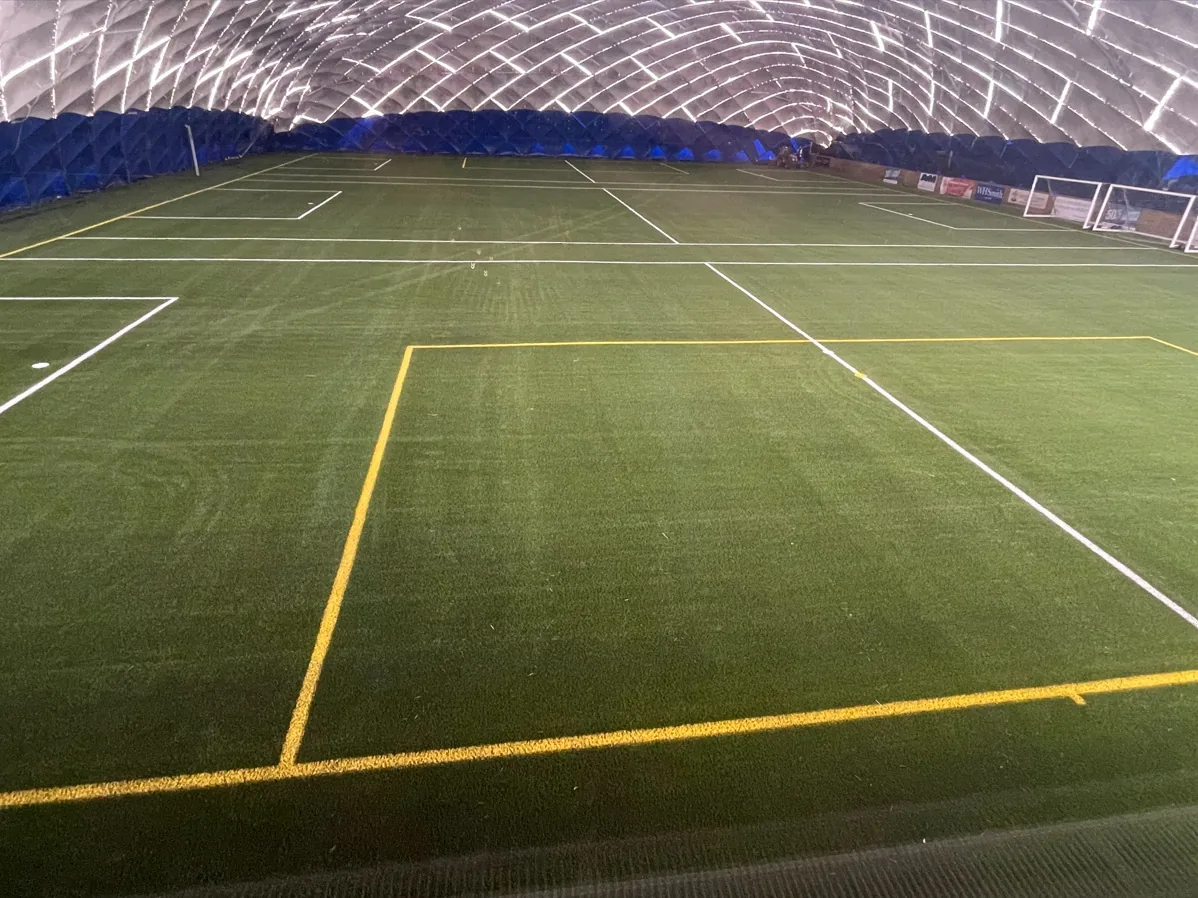
The Swindome at Supermarine
Swindon · Indoor 3G dome
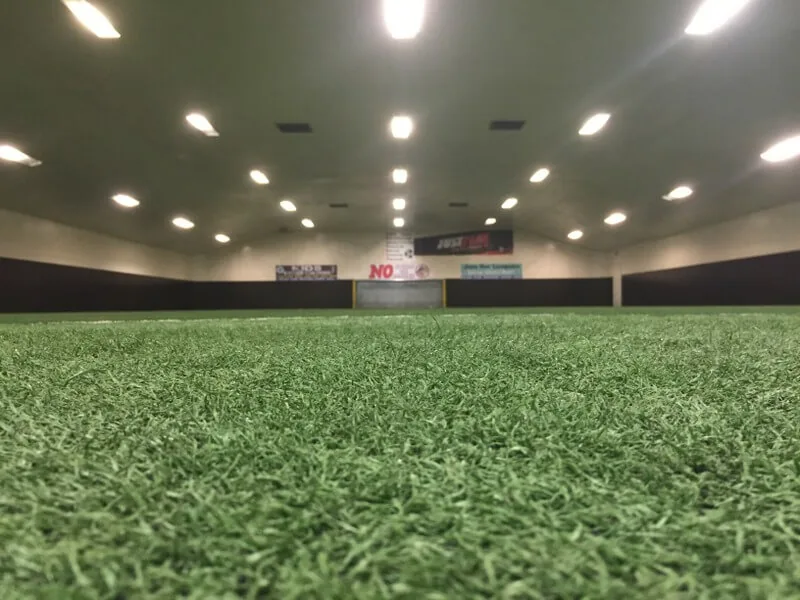
The Soccer Dome
Liverpool · Indoor 3G

Adelaide Indoor Sports Centre
Adelaide · Netted indoor court
Cities with the most indoor football venues in our directory:
FAQ
Is it bad to play football in the rain?
No. Rain itself is not harmful if you dress for it and change into dry clothes afterwards. The risks are slippery footing, cold muscles and lightning.
Do 3G pitches close when it rains?
Rarely. 3G is built to drain, so most venues stay open in heavy rain. They close for lightning, ice, high winds or flooding.
What boots should I wear on a wet grass pitch?
Firm ground boots work on most wet grass. On a muddy, soft pitch, soft ground boots with longer studs grip better, where your league allows them.
Can you get ill from playing football in the cold rain?
Colds are caused by viruses, not by getting wet. But staying in wet kit afterwards makes you cold and miserable, so change quickly.