What age can children start football?
 By the Find My Football Pitch team·
Updated ·
4 min read
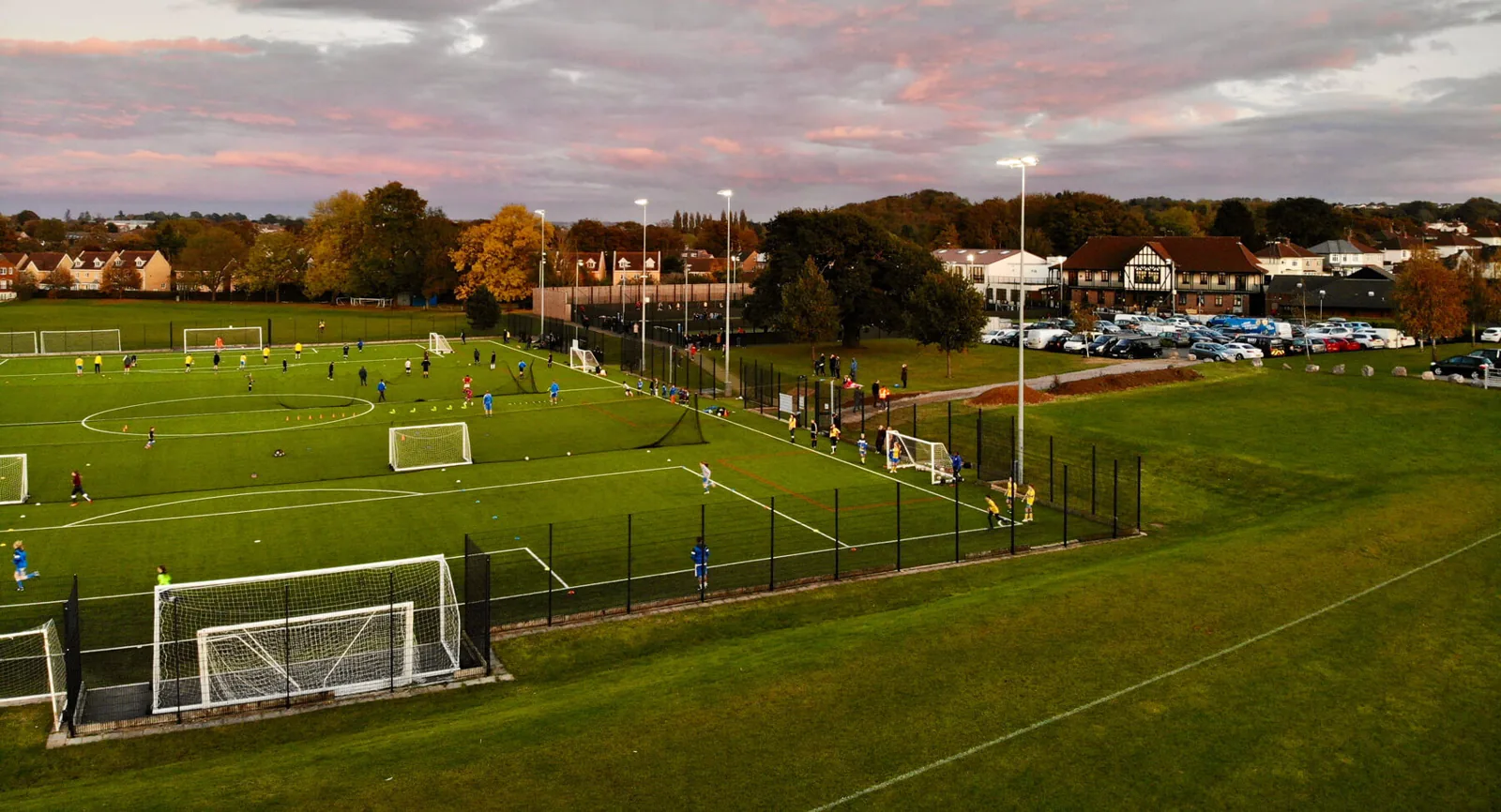
Most children can start kicking a ball about with a coach long before they play in a real team. The age that matters depends on what you mean by "playing": a fun session, a club team or league matches.
The short answer
Children can join fun, non-competitive football sessions from about age 4 or 5. In England the youngest affiliated club teams are under-7s, who play 3v3 from the 2026-27 season, and the FA's Wildcats sessions take girls from 5 to 11. In Australia, MiniRoos Kick-Off is generally for ages 4 to 11, and MiniRoos club teams run from under-6 to under-11. Most children are ready for a weekly team at 5 to 7. There is no rush: the right age is when your child enjoys it and can follow simple instructions.
Age groups by country
Youth football is organised by age group, and each country sets its own starting points. The age group is usually based on your child's age at the start of the season (or by birth year in some countries), so check how your local league counts it.
| Country | First sessions | First club teams |
|---|---|---|
| England | Wildcats (girls 5 to 11) and club "soccer school" sessions from around 4 or 5 | Under-7, playing 3v3 from 2026-27 |
| Australia | MiniRoos Kick-Off, generally from 4 | MiniRoos club football, under-6 to under-11 |
| Ireland, Scotland, Wales, New Zealand, Canada | Club and community sessions, often from 4 or 5 | Small-sided teams from around 6 or 7 |
Exact ages shift between leagues and states, so treat the table as a guide. Your local club or county association will tell you which age group your child falls into this season.
Signs your child is ready
Age is a rough guide. These matter more:
- They want to go. A child who asks to kick a ball every day is ready for a session. A child who is dragged there is not, whatever their age.
- They can follow a short instruction. "Dribble to the cone and back" is about the level of a first session.
- They can be away from you for 45 minutes. Most early sessions let parents watch from the side, but the coach runs the group.
- They cope with losing the ball. Under-7 football means a lot of tackles and a lot of tears at first. That settles quickly.
If your child is not ready at 5, try again at 6. Children who start a year later catch up fast. What puts them off is being pushed into a team before they enjoy it.
What football looks like at each age
Young children do not play 11-a-side on a full pitch. In England the FA's youth formats grow with the child. From the 2026-27 season they are:
- Under-7: 3v3 with no goalkeepers, on a pitch about 15 by 10 m with tiny goals.
- Under-8 and under-9: 5v5.
- Under-10 and under-11: 7v7.
- Under-12 and under-13: 9v9.
- Under-14 and up: 11v11 on a pitch that grows towards full size.
These are maximum formats, so a league can play smaller games. Teams already playing a format when the change came in finish their cycle before moving up, so for a season or two you may still see older groups on the previous ladder.
Australia's MiniRoos uses a similar ladder: 4v4 for under-6 and under-7, 7v7 for under-8 and under-9, and 9v9 for under-10 and under-11. Pitch sizes for each step are in our guide to youth football pitch sizes, and the right ball is in football size by age.
Small teams mean more touches. A six-year-old in a 3v3 game gets the ball far more often than they would in a bigger team, which is the point.
Results at the youngest ages. Many leagues do not publish scores or tables for the youngest groups. Coaches focus on touches and fun. If your child's coach shouts about winning at under-7, look for another club.
Heading and young players
The FA is phasing deliberate heading out of grassroots youth matches in England. It applied to under-7 to under-9 from the 2024-25 season, added under-10 in 2025-26 and covers under-11 from 2026-27. A deliberate header gives the other team an indirect free kick. Heading is brought back in at under-12, when children move up to secondary school. Our guide to heading rules and guidance has the detail for older players and adults.
Where children start
There are four common ways in:
- A local club's youngest group. Many grassroots clubs run a Saturday morning session for 4 to 6 year olds that feeds their under-7 team.
- Programmes run by governing bodies. Wildcats in England and MiniRoos Kick-Off in Australia are built for first-timers.
- Paid coaching companies. Weekend and holiday sessions at 5-a-side centres and leisure centres, usually with no commitment beyond the term.
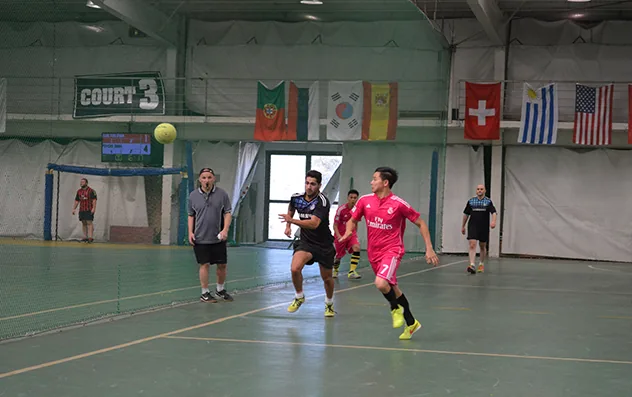
- Indoor centres. In Australia and New Zealand many children start with indoor soccer or futsal on a court.
Venues in our directory that list kids' football:
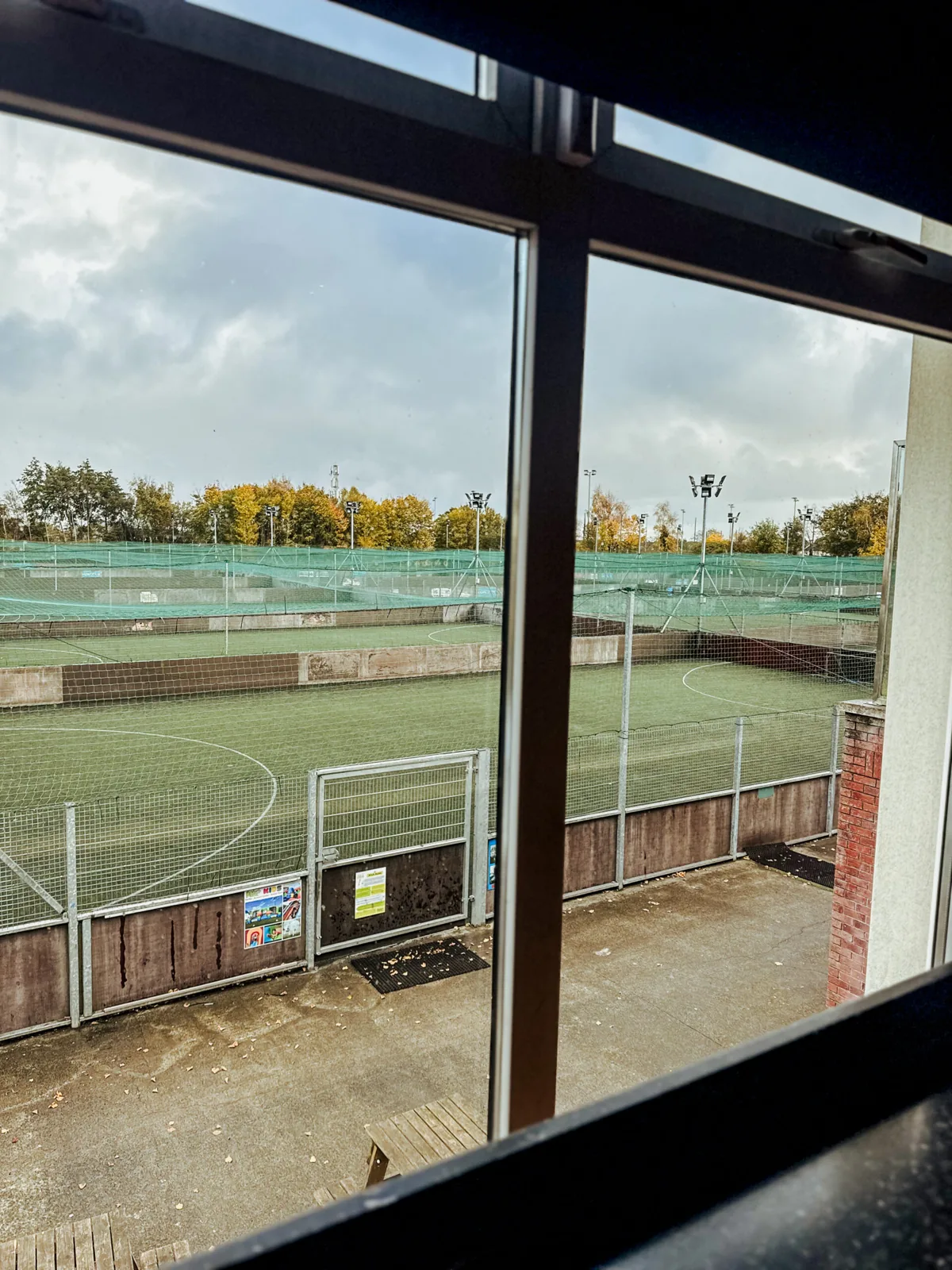
Astropark Coolock
Dublin · Kids football

GOALS Birmingham Star City
Birmingham · Rooftop pitches
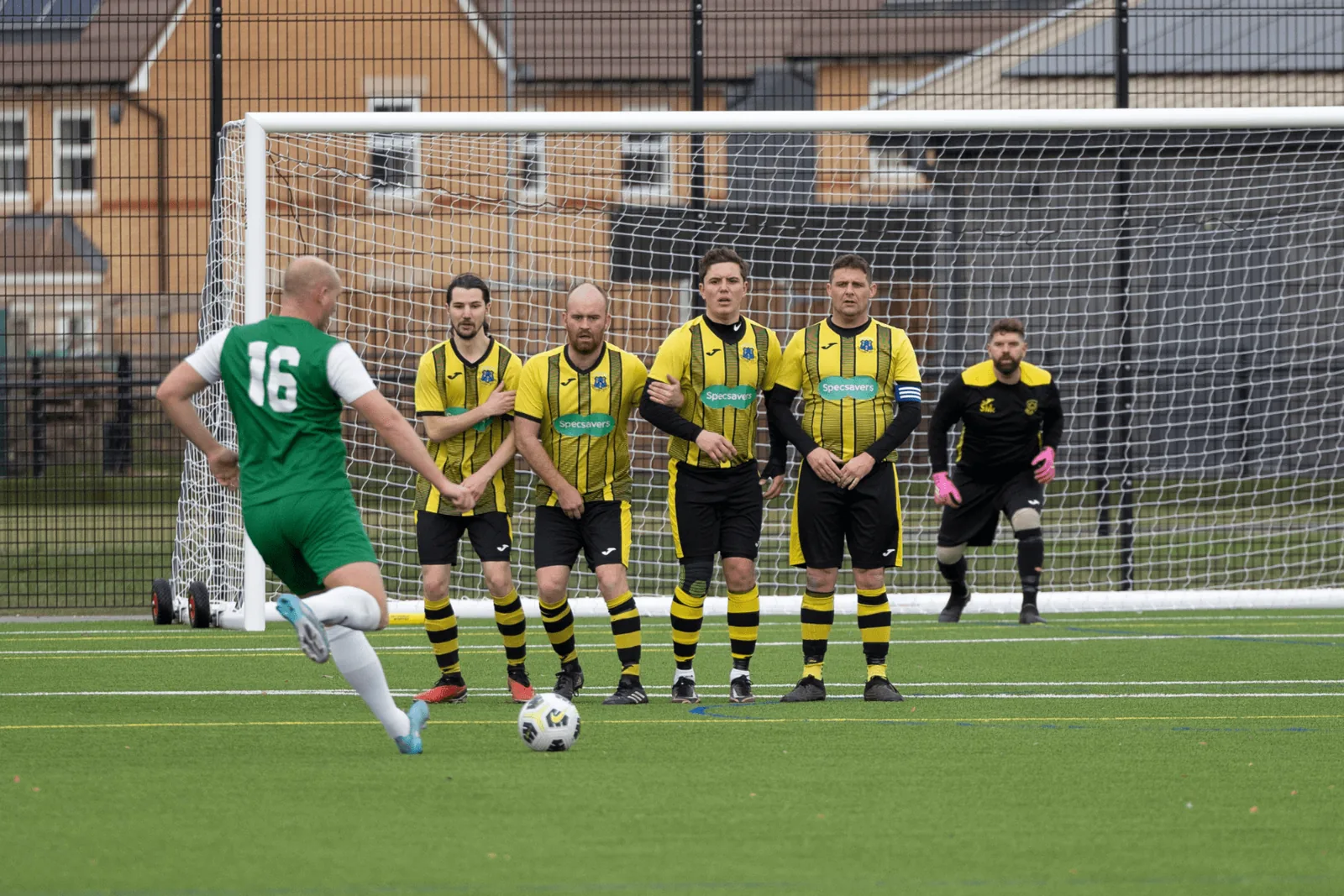
Western Park Pavilion 4G pitch
Cambridge · 4G and grass
Cities with the most venues offering kids' football in our directory:
Planning a birthday instead of a team? See football birthday parties.
FAQ
Can a 3-year-old play football?
Yes, as play. Some coaching companies run toddler sessions from about 2 or 3 with balls, cones and games. These are about movement and fun, not football teams.
What age do children start playing matches?
In England, affiliated league matches start at under-7. In Australia, MiniRoos club teams start at under-6. Younger children usually play short games inside a training session.
Is it too late to start football at 10 or 12?
No. Plenty of players join a team at 10, 12 or later. Clubs usually have a development or second team in each age group where newer players get games.
Do girls and boys play together?
Mixed teams are common at the younger ages. Many countries also run girls-only teams and sessions, such as Wildcats in England, and girls can usually choose either.